

From Off-Season to On-Trend
The long-held idea that Indian travel happens only during the summer and winter holidays is officially fading. The monsoon, traditionally considered an off-peak period plagued by rain and travel disruptions, has transformed into a vibrant, sought-after
travel season. Data from travel companies shows a significant surge in demand for monsoon getaways. For instance, Airbnb reported a nearly 40% year-on-year increase in searches for domestic monsoon travel in India. This isn't just a fleeting trend; it's a structural shift. Hospitality leaders note that leisure travel is no longer confined to two peak seasons, with the monsoon emerging as a powerful travel driver in its own right. What was once a liability for the tourism industry—the rain—has become its newest asset.
The Allure of the Rains
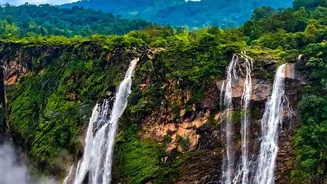
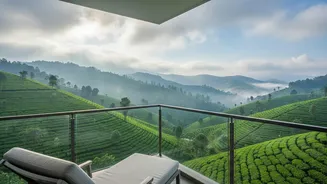
So, what’s behind this newfound love for a rainy-day holiday? The appeal is multi-faceted. First is the sheer beauty. Across the country, the monsoon breathes new life into landscapes, turning hills a brilliant emerald, reviving dormant waterfalls, and wrapping valleys in romantic mist. Destinations like Kerala, Coorg, and the Western Ghats become lush, green paradises, offering views that are simply unavailable at other times of the year. Beyond the scenery, there are practical advantages. Monsoon travel often means fewer crowds at popular spots and significant savings, with hotels and airlines historically offering lower rates. For many, this combination of natural splendour, relative tranquillity, and budget-friendliness is an irresistible proposition.
Where India Travels in the Monsoon
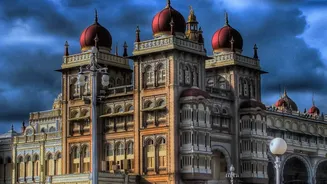
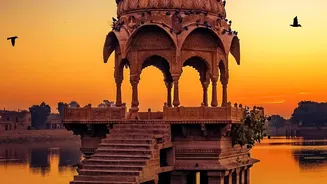
While the entire country experiences the monsoon, certain destinations have become hotspots. The Western Ghats are a clear favourite, with hill stations like Lonavala, Khandala, and Mahabaleshwar in Maharashtra becoming weekend havens for city dwellers from Mumbai and Pune. Further south, Kerala’s misty tea gardens in Munnar and the verdant coffee plantations of Coorg and Wayanad in Karnataka are perennial draws. But the trend extends beyond the usual suspects. Even Rajasthan, known for its arid landscapes, sees a spike in visitors to places like Udaipur and Mount Abu, where the rains bring a unique charm to the palaces and lakes. The Northeast is also gaining traction, with travellers seeking out the dramatic waterfalls of Meghalaya and the serene landscapes of Sikkim.
Micro-Cations and Changing Lifestyles
The rise of monsoon tourism is also closely linked to a broader change in vacation habits, particularly among younger Indians. The era of one long annual holiday is giving way to a preference for multiple short trips, or 'micro-cations'. A report found that seven in ten Gen Z travellers prefer taking three short trips over a single long one. These shorter, more frequent breaks, often planned spontaneously over a long weekend, fit perfectly with the monsoon season. Flexible work arrangements and improved road connectivity have made it easier than ever to plan a quick escape, turning a rainy weekend into an opportunity for a refreshing 'mini-cation'.
The Economic and Environmental Ripple Effect
This shift is rewriting the economic calendar for the hospitality industry. What used to be a lean quarter is now providing a much-needed revenue stream, helping to sustain local economies year-round. Hotels that once saw occupancy drop now report robust demand, and pricing has become more resilient. However, the boom is not without its challenges. The influx of tourists puts additional strain on the infrastructure of ecologically sensitive areas like hill stations. Concerns about unregulated construction, waste management, and the risk of landslides during heavy rainfall are growing. Striking a balance between economic benefit and environmental sustainability is becoming the critical challenge for these newly popular monsoon destinations.