

The Ancient Superfood in Your Kitchen
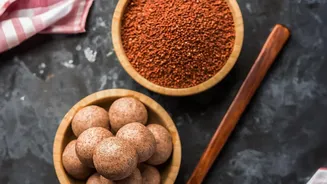
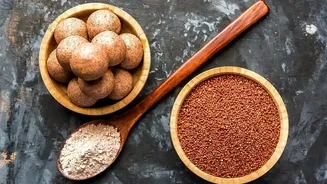
Ragi, also known as finger millet, is a humble but mighty grain that has been a staple in Indian homes for thousands of years. Often introduced as one of the first foods for babies, its reputation as a powerhouse of nutrition is well-deserved. What makes
ragi so special? It's naturally loaded with calcium, iron, and protein. In fact, it is one of the best plant-based sources of calcium available. This tiny, reddish-brown grain is also gluten-free and packed with dietary fibre, making it an excellent choice for those with gluten sensitivities or anyone looking to improve their digestive health. Its complex carbohydrates and high fibre content contribute to a feeling of fullness, which can aid in weight management.
Why Ragi Crepes are a Perfect Breakfast
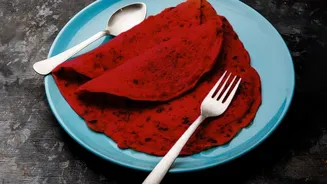
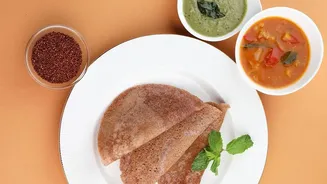
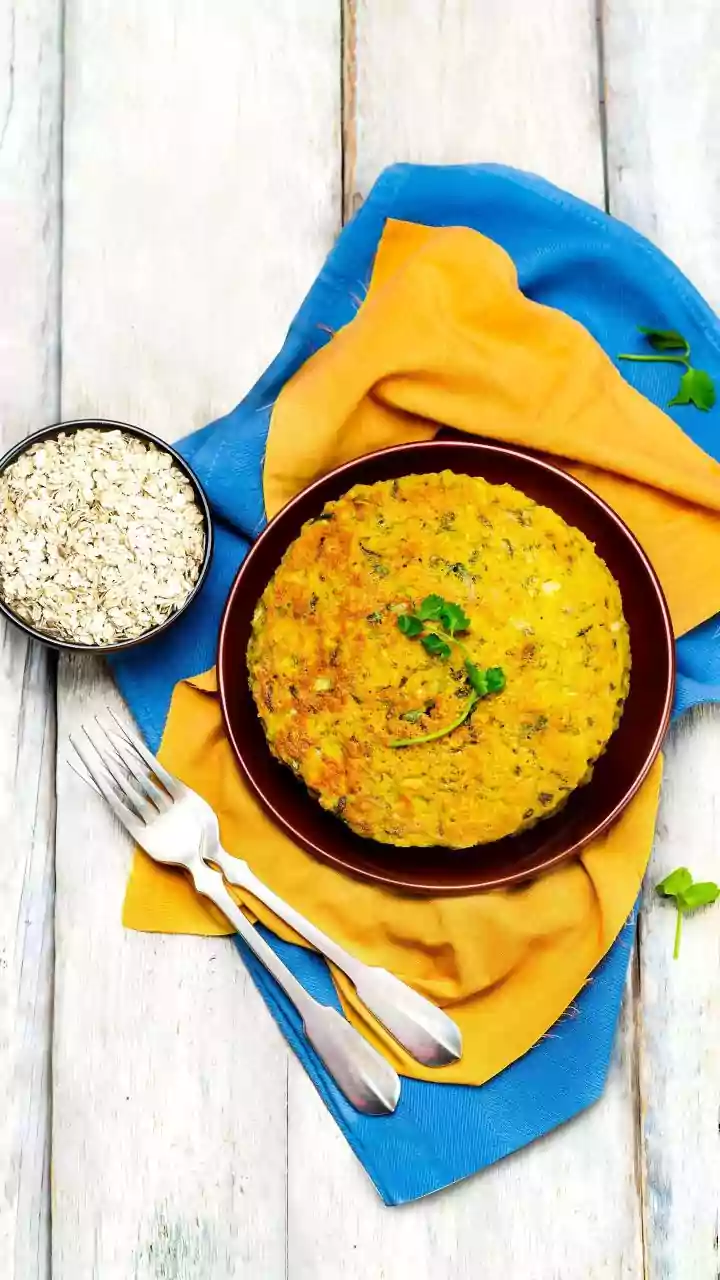
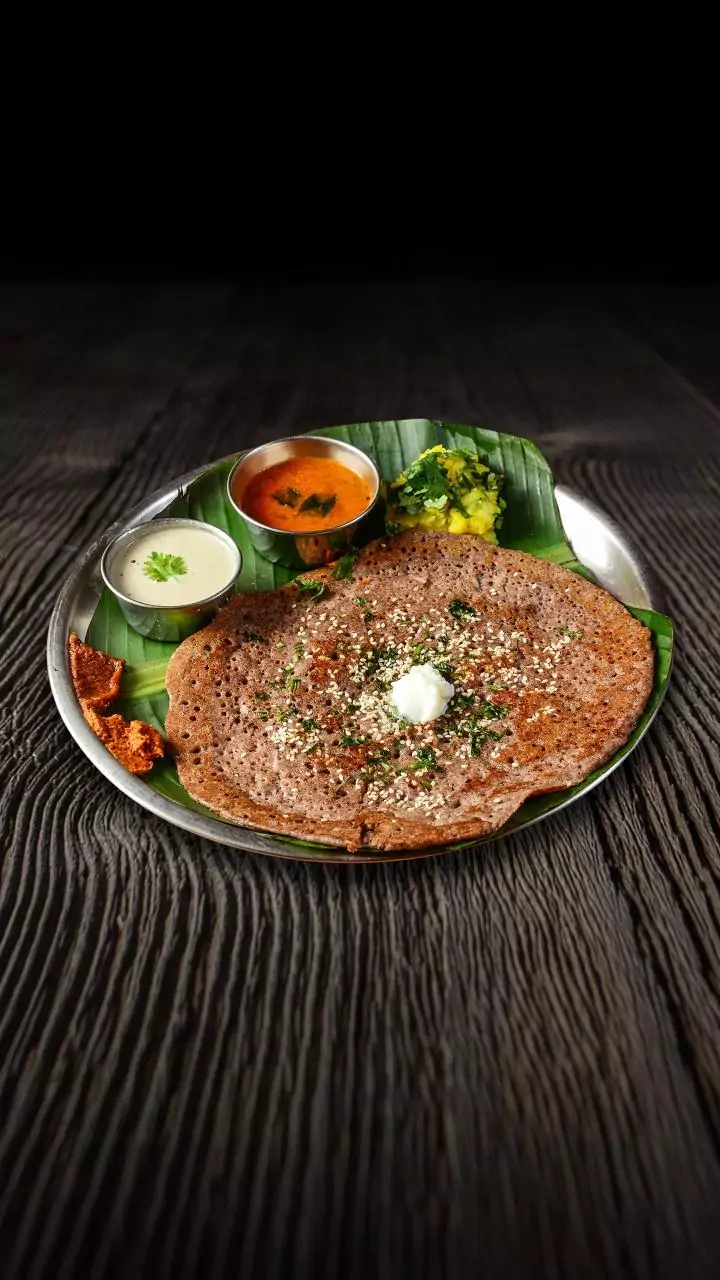
Starting your day with a meal that provides sustained energy is crucial, and that’s where savoury ragi crepes shine. Unlike breakfasts made from refined flours that can lead to a quick energy spike and crash, ragi helps provide a steady release of energy. Thanks to its low glycaemic index, it’s a particularly smart choice for those managing blood sugar levels. These crepes, often called ragi dosa in South India, transform the earthy, nutty flavour of finger millet into a delightfully crisp and savoury dish. They are more filling than many traditional breakfast options, ensuring you stay satisfied and focused until your next meal. Plus, they are incredibly versatile and can be seasoned to suit any palate.
Whipping Up the Wholesome Batter
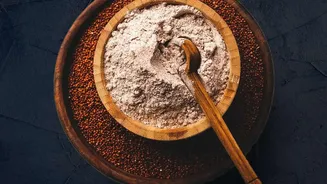
While traditional ragi dosa is made with a batter of soaked and fermented whole ragi and lentils, you can create a delicious and quick version using readily available ragi flour. This instant method delivers fantastic results without the long waiting time. To make a simple batter for two, you will need approximately one cup of ragi flour, half a cup of rice flour, and a quarter cup of fine semolina (rava). The rice flour and semolina are key to achieving a crispy texture. To this dry mix, add salt to taste, a teaspoon of cumin seeds, one finely chopped green chilli, and a tablespoon of grated ginger. For a tangy flavour, you can incorporate about half a cup of buttermilk or plain curd, mixing it well before adding water.
The Secret to a Perfect Crepe
The consistency of the batter is the most important factor for success. Slowly add water to your flour mixture, whisking continuously to prevent lumps. You are aiming for a thin, pourable consistency, almost like buttermilk or runny pancake batter. A thick batter will result in soft, pliable crepes, so don't be afraid to add more water until it’s quite fluid. Once mixed, let the batter rest for about 15 to 30 minutes. This allows the semolina to absorb moisture and swell, which is crucial for the final texture. Just before cooking, stir in finely chopped onions, fresh coriander, and curry leaves for a burst of flavour and aroma. Remember to stir the batter well before making each crepe, as the flours tend to settle at the bottom.
Cooking and Serving Suggestions
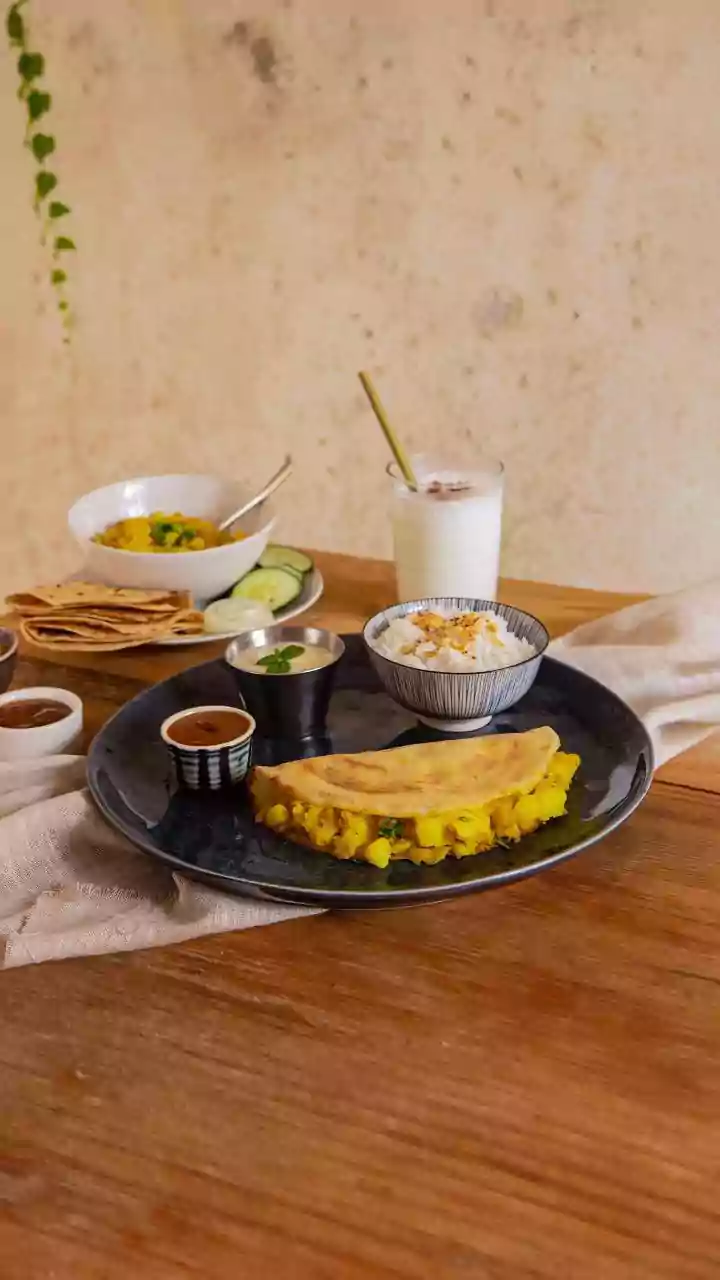
Heat a non-stick or well-seasoned cast-iron pan (tawa) over medium-high heat. The pan needs to be quite hot. A good test is to sprinkle a few drops of water; if they sizzle and evaporate immediately, you’re ready. Lightly grease the pan. Instead of spreading the batter in a circle like a traditional dosa, pour the thin ragi batter from the outside of the pan, moving inwards in a circular motion to create a lacy pattern. Fill in any large gaps, but don’t try to make it a solid sheet. Drizzle a teaspoon of oil or ghee around the edges and cook for about three to four minutes on medium heat until the bottom is golden brown and the edges start to lift and look crisp. There is no need to flip it. Gently fold the crepe and serve it immediately while hot and crispy. These savoury crepes pair beautifully with coconut chutney, tomato chutney, or a warm bowl of sambar.