




From Guilty Pleasure to Gourmet Staple
The transformation of the crunchy snack is about more than just new flavours; it's a fundamental shift in perception. For decades, crispy snacks were relegated to the category of 'guilty pleasure'—something to be enjoyed mindlessly in front of the television.
Today, they are being reimagined as a core part of the modern culinary experience. The new generation of snackers, particularly millennials and Gen Z, don't just want fuel; they want an experience. They demand interesting textures, complex flavour profiles, and a story behind their food. This has pushed manufacturers to innovate beyond the classic masala and salt-and-vinegar. Snacks are now seen as affordable luxuries, a small way to indulge a craving for something novel and high-quality without committing to a full meal. This premiumisation means better ingredients, sophisticated packaging, and a price point to match, turning a simple bag of chips into a statement.
Your Flavour Passport Awaits
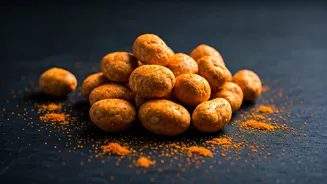
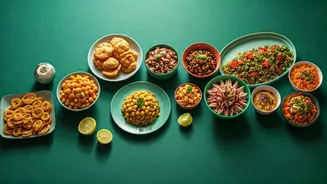
One of the most exciting aspects of this glow-up is the explosion of global flavours. The world is getting smaller, and our snack bowls are reflecting it. Consumers are more adventurous than ever, thanks to travel, social media, and a broader exposure to international cuisines. This has created a demand for tastes that go far beyond the local palate. You can now find potato chips flavoured with Thai sweet chilli, Korean gochujang, Japanese wasabi, or Mexican jalapeño. It’s not just about importing foreign brands; it’s about a fusion of ideas. International companies are launching India-specific flavours like tandoori and pudina, while Indian brands are experimenting with peri-peri and cheese-and-herb seasonings for traditional snacks like bhujia. This cross-pollination of tastes makes the snack aisle a veritable culinary world tour, offering a low-risk way for consumers to try something new and exciting.
When Healthy Got a Crunch
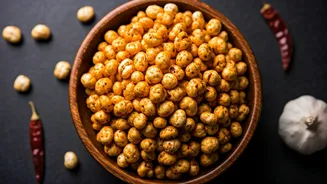
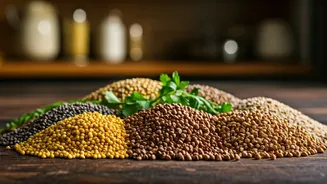
Perhaps the biggest driver of the snack revolution is the global wellness movement. The modern consumer wants it all: delicious, crunchy, and healthy. This has forced brands to completely rethink their recipes and processes. The ‘baked, not fried’ claim is now standard, but the innovation goes much deeper. The new heroes of the snack world are made from alternative bases. Lentil, chickpea, quinoa, and ragi (finger millet) flours are replacing potato and corn to create chips and puffs that are high in protein and fibre. Vegetables are also stepping into the spotlight, with everything from beetroot and sweet potato to kale and okra being turned into crispy, nutrient-dense snacks. This 'better-for-you' category is booming in India, where consumers are increasingly conscious of their dietary choices but are unwilling to sacrifice the satisfaction of a good, crunchy bite.
The Great Indian Snack Renaissance
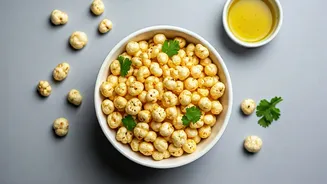
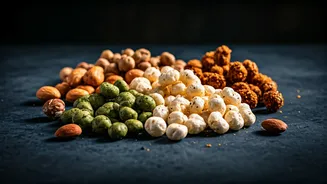
While global trends are influential, India’s snack story is also a tale of rediscovery. Our own treasure trove of traditional snacks is being given a modern makeover. Take makhana (fox nuts), for instance. Once a humble ingredient for fasts, it has been reborn as a superfood snack, available in dozens of flavours from simple salt and pepper to exotic caramel and wasabi. Similarly, classic namkeens like chakli, murukku, and khakhra are being packaged in slick, modern bags, often with a healthy twist like being made from whole wheat or multiple grains. Brands are realising the immense potential of these familiar favourites, marketing them to a new generation that values both tradition and convenience. This renaissance is not just for the domestic market; premium, well-packaged Indian snacks are finding a growing audience globally, proudly showcasing the diversity and richness of India's snacking culture.