


The Rise of the Dark Store
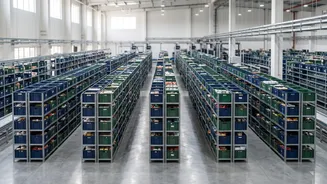
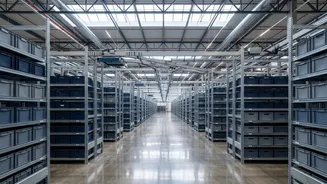
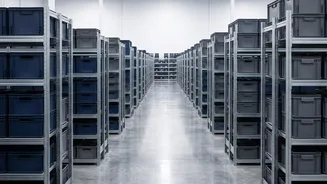
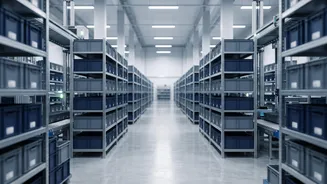
A 'dark store' is a retail space closed to the public, functioning solely as a micro-fulfilment centre for online orders. Unlike vast warehouses on the city's outskirts, these are typically small-format facilities, often 2,000 to 5,000 square feet, embedded
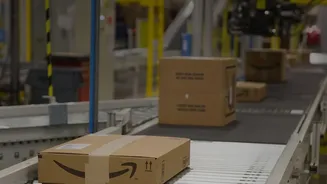
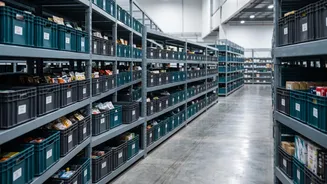
deep within residential and commercial neighbourhoods. Their purpose is singular: speed. By being physically close to customers, they drastically cut down the last-mile delivery distance. In Bengaluru, which has become India's dark store capital with over 629 such locations, this proximity is the true engine of quick commerce, more so than any other factor. The layout of these stores is optimised for pickers, not shoppers, with fast-moving items placed for the quickest access to enable a pick-pack-dispatch cycle of just a few minutes.
Bengaluru: A Perfect Hub for Quick Commerce
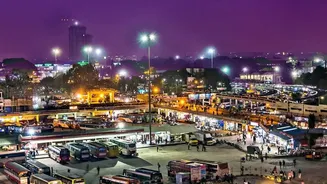
Bengaluru's status as the leader in India's quick commerce expansion isn't accidental. The city's legendary traffic congestion makes a quick trip to the store a time-consuming task, increasing the appeal of instant delivery. Furthermore, its dense population of tech-savvy professionals with high disposable incomes creates a ready-made customer base. This demographic is accustomed to app-based solutions and values convenience, making them early adopters. As a result, companies like Blinkit, Zepto, Swiggy Instamart, and others have concentrated their efforts here, with over 65% of all dark stores in India located in the top eight metro cities, and Bengaluru leading the pack.
The Technology Driving Fulfilment
The entire operation is orchestrated by technology. Advanced logistics platforms and AI-powered inventory management are crucial. These systems use predictive analytics to forecast demand at a hyperlocal level, ensuring each dark store is stocked with the right products at the right time. When an order is placed, it's instantly routed to the nearest dark store. Inside, staff use handheld scanners and follow optimised picking routes to gather items, aiming to have an order ready for a delivery partner in under three minutes. This data-driven approach minimises delays and ensures that the promise of a 10-to-30 minute delivery window can be consistently met.
Human Capital and Operational Hurdles
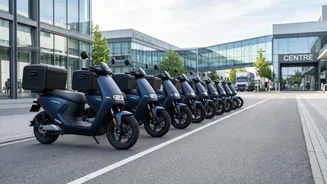
While technology provides the blueprint, the system runs on human effort. Each dark store requires a team of pickers, packers, and supervisors, while a large fleet of delivery partners handles the last mile. However, this model faces significant challenges. The high cost of renting prime real estate in dense urban areas is a major expense. Intense competition among platforms like Blinkit, Zepto, and Swiggy Instamart keeps margins thin. Furthermore, managing a large gig workforce comes with its own complexities, including high attrition rates, which is cited as a primary challenge by many operators. The very model is also expanding beyond groceries into higher-value categories like electronics and cosmetics, which adds another layer of fulfilment complexity.
The Future of Delivery in Bengaluru
The dark store network in Bengaluru and across India is set for continued, aggressive growth. Projections indicate that the national dark store count could swell from around 7,800 currently to over 12,000 by 2030, demanding a cumulative 75 million square feet of urban logistics space. For Bengaluru, this means even greater density and faster expansion into emerging suburban corridors like the Yelahanka-Devanahalli belt. While the unit economics of each store are improving, with profitability timelines shortening, the long-term sustainability of the model will depend on balancing operational costs with customer acquisition and retention. The race is on to not just deliver quickly, but to do so profitably and at a massive scale.