




A Sudden, Unprecedented Brightening
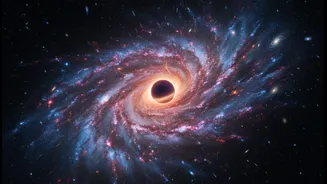
For years, the galaxy known as SDSS1335+0728, located about 300 million light-years away in the Virgo constellation, was just another quiet spot in the sky. But in late 2019, that changed dramatically. Astronomers noticed the galaxy's core began to shine
brighter than ever before, a change so significant and persistent that it defied all typical explanations. Events like supernova explosions can make a galaxy light up, but they fade within a few hundred days. This galaxy, however, has continued to brighten for over four years, pointing to a much larger and more sustained phenomenon.
What It Means for a Black Hole to 'Wake Up'
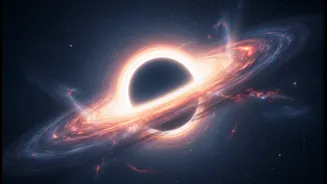
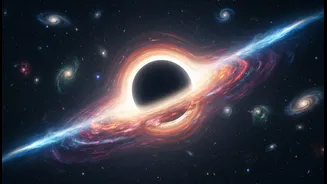
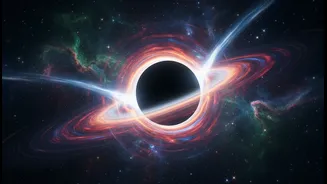
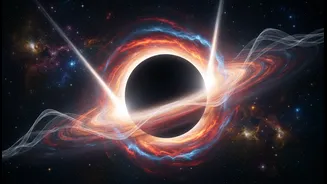
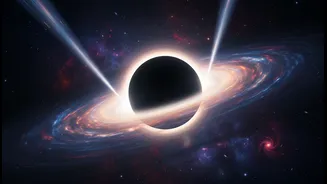
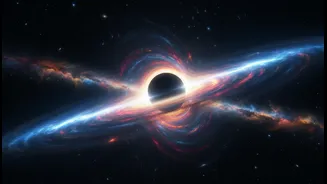
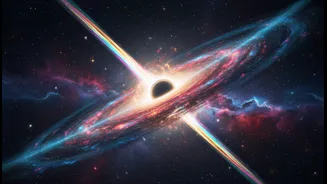
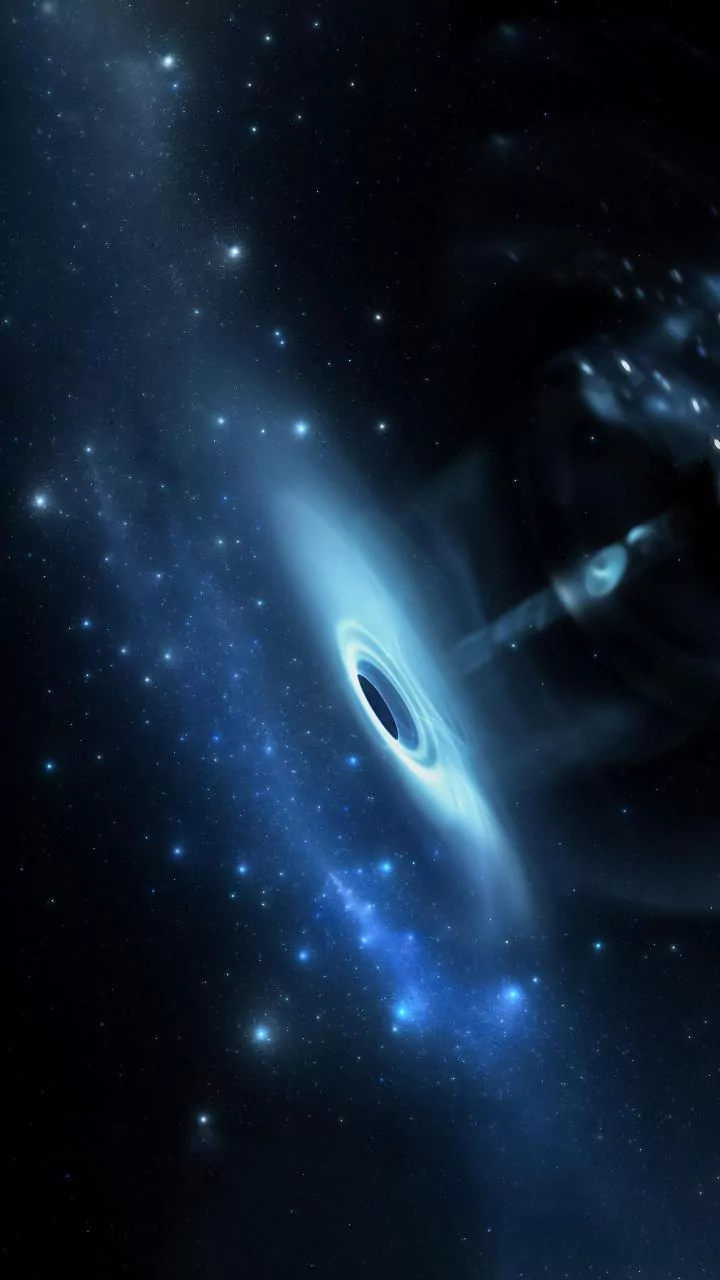
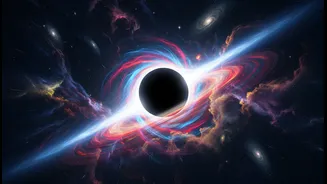
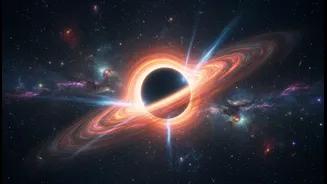
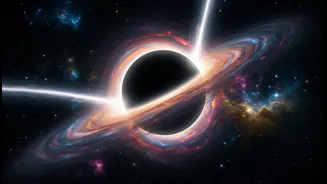
Supermassive black holes, with masses hundreds of thousands to billions of times that of our Sun, are believed to reside at the center of most large galaxies, including our own Milky Way. These cosmic behemoths are usually 'sleeping' or dormant, meaning they aren't actively pulling in large amounts of matter. A black hole itself emits no light. Its 'activation' occurs when a huge amount of gas or dust falls toward it. This material forms a swirling, superheated structure called an accretion disk. As the material in the disk gets closer to the black hole, it heats up to extreme temperatures, releasing enormous amounts of energy and causing the galaxy's core to shine brilliantly across the spectrum.
Catching the Awakening in Real Time
The key to this discovery was combining data from multiple sources. After the initial brightening was flagged in December 2019, scientists used an array of powerful ground-based and space observatories, including the European Southern Observatory's Very Large Telescope (VLT), to track the changes. By comparing new observations with archival data from before 2019, they confirmed the dramatic shift. The galaxy started radiating much more light in ultraviolet, optical, and infrared wavelengths. Then, in February 2024, it began emitting X-rays, a tell-tale sign of a hot accretion disk forming around a black hole. This marked the first time astronomers have been able to watch the activation process as it happens, rather than just finding evidence of it years later.
The Sheer Scale of the Energy Spikes
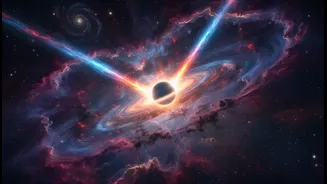
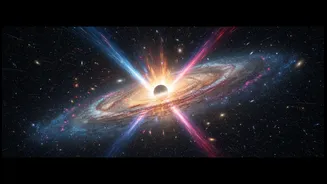
The energy being released by this newly 'active galactic nucleus' (AGN) is immense. These energy spikes are not explosions in the traditional sense, but rather a sustained, brilliant output of radiation caused by the 'feeding' black hole. The core of SDSS1335+0728 is now so bright it threatens to outshine the combined light of all the stars in its host galaxy. In some observed cases of black hole activation, the energy released can be a hundred times greater than previously seen from similar phenomena, showcasing the incredible power unleashed when these giants begin to feast on their surroundings.
Why This Discovery Is a Game-Changer
Witnessing a supermassive black hole switch on in real time provides an invaluable opportunity to test long-held theories about how galaxies and black holes evolve. Scientists can study the entire process, from the initial ingestion of gas to the formation of the accretion disk and the subsequent release of energy. While researchers are still observing to rule out other, more exotic possibilities—like an unusually long and slow tidal disruption event where a star is torn apart—the leading explanation is that we are watching a black hole's awakening. This unprecedented event offers a unique window into the life cycle of these cosmic monsters and could even provide insights into what might one day happen to Sagittarius A*, the sleeping giant at the center of our own galaxy.