


What Exactly Is a Rain Shadow?
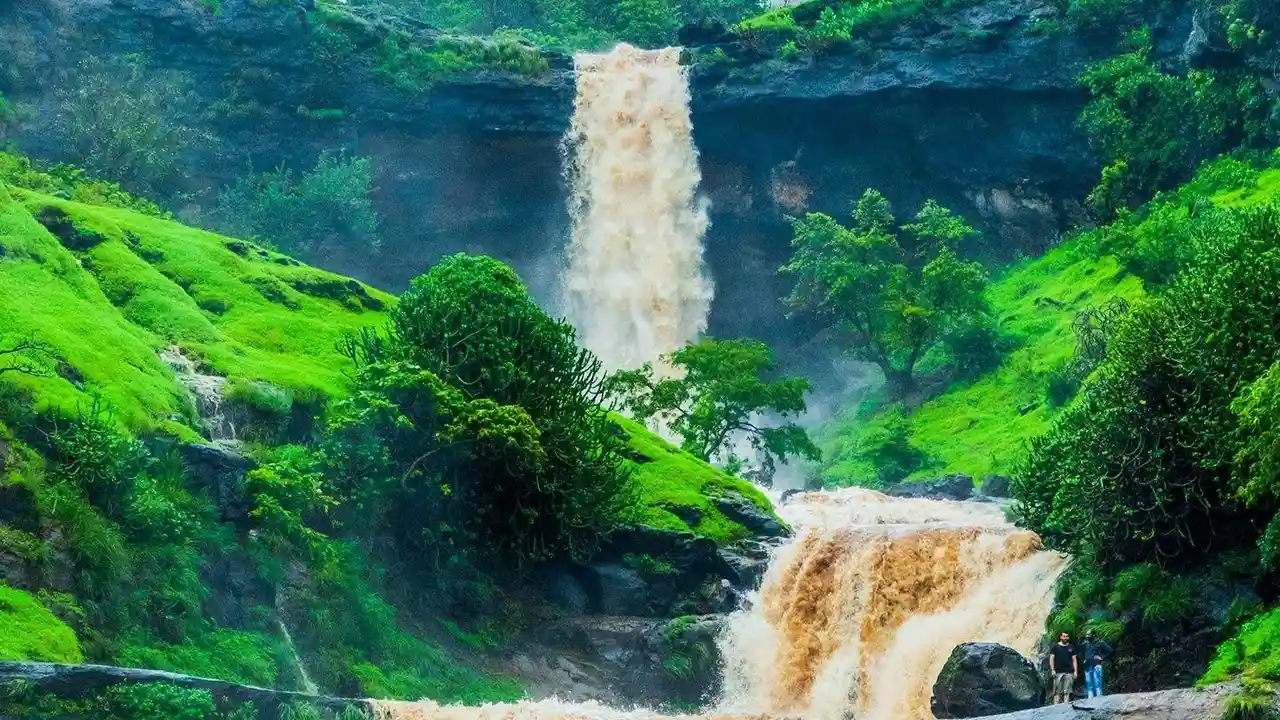
The concept is simpler than it sounds. When moisture-filled monsoon clouds move across the land, they are often blocked by large mountain ranges. To get over these mountains, the clouds must rise, cool, and release most of their moisture as rain on the side
facing the wind (the windward side). By the time the clouds pass over the mountains to the other side (the leeward side), they have very little moisture left. This creates a drier area, or a 'shadow' from the rain, making these spots ideal for travel when other regions are experiencing heavy rainfall.
Ladakh: The High-Altitude Desert
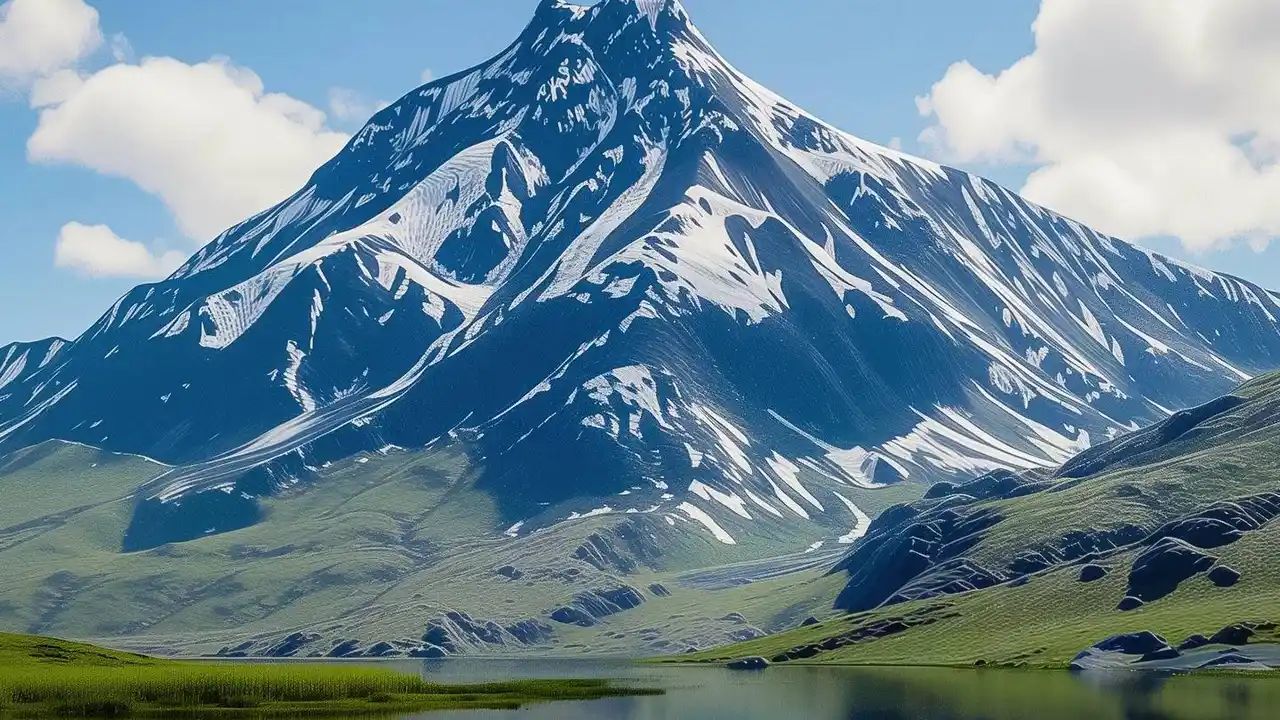
Often called the 'Land of High Passes', Ladakh is perhaps India's most famous rain-shadow region. The towering Himalayan ranges to its south act as a massive barrier, preventing the monsoon clouds from reaching this cold desert. The result is that while much of India is dealing with rain, Ladakh enjoys clear blue skies and pleasant daytime temperatures, typically ranging from 15°C to 25°C in August. This makes it the perfect time to explore its otherworldly landscapes, from the turquoise expanse of Pangong Tso to the dramatic dunes of the Nubra Valley. All major roads and passes are generally open, offering access to ancient monasteries like Hemis and Thiksey perched on stark, beautiful mountains.
Spiti Valley: A World Within a World
Similar to Ladakh, the Spiti Valley in Himachal Pradesh is a cold desert shielded from the monsoon by the main Himalayan range. This high-altitude region remains relatively dry and accessible in August, offering a raw, rugged beauty that captivates travellers. The weather is generally cool and pleasant during the day, ideal for visiting some of the oldest monasteries in the world, such as Key Monastery and Tabo Monastery. The valley's landscape, a mix of barren mountains and small, green oases along the Spiti River, is at its most striking during this time. It's an adventurer's paradise, perfect for road trips and trekking under sunny skies.
Coimbatore's Eastern Slopes: The Southern Secret
Not all rain-shadow areas are in the Himalayas. The eastern slopes of the Western Ghats in Tamil Nadu offer a southern alternative. The city of Coimbatore and nearby towns like Pollachi benefit from this effect. The southwest monsoon unloads its rain on the Kerala side of the Western Ghats, leaving the eastern, Tamil Nadu side significantly drier. While the region isn't entirely without rain, it experiences a much milder and more pleasant climate compared to the torrential downpours on the other side of the mountains. This makes it a great time to explore the lush farmlands, serene temples, and the foothills of the Ghats without the constant disruption of heavy rain.
The Deccan Plateau: Dry and Historic
A large portion of the Deccan Plateau also lies in the rain shadow of the Western Ghats. As monsoon winds travel eastwards from the Arabian Sea, they deposit heavy rainfall along the coastal and mountainous regions of Maharashtra and Karnataka. By the time the winds cross the Ghats and move inland, they are much drier. This results in significantly less rainfall for places in this region. While it can still be hot, the lack of heavy, continuous rain makes it a viable option for exploring historical sites. This unique weather pattern allows for easier travel and exploration of the area's rich heritage without the logistical challenges posed by the full force of the monsoon.