

The Reality of Monsoon Trekking
Mid-August in Uttarakhand is the heart of the monsoon. While this transforms the valleys into lush, emerald landscapes with blooming flowers and thundering waterfalls, it also brings significant challenges. Trekkers must be prepared for daily rainfall,
typically in the afternoons, high humidity, and slippery trails. The primary risks include landslides, which can block roads and trails, swollen river crossings, and reduced visibility due to mist and clouds. This isn't a reason to cancel plans, but a strong reason to plan intelligently and choose your trek wisely.
Choosing the Right Valley Trek
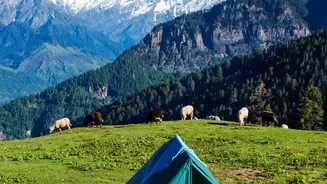
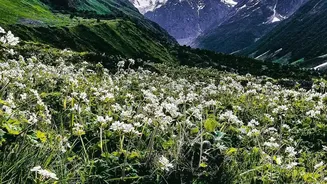
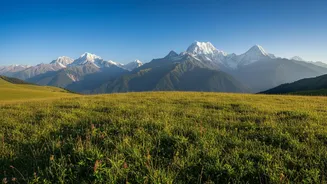
Not all treks are safe or suitable for August. Many popular routes like Har Ki Dun and Kuari Pass are often not recommended due to high risks. The undisputed star of the monsoon season is the Valley of Flowers. As a UNESCO World Heritage Site, it is at its absolute peak bloom in August, with over 500 species of alpine flowers. The trail is well-managed, making it a relatively safer option. Other manageable monsoon treks include Nag Tibba, which offers a quick escape, and Dayara Bugyal, known for its vast, rolling meadows, though caution is still advised.
The Altitude Factor: Acclimatise Properly
High-altitude valleys, even those considered 'moderate', pose the risk of Acute Mountain Sickness (AMS). AMS can affect anyone, regardless of fitness level, and is caused by ascending too quickly without giving your body time to adjust to lower oxygen levels. Symptoms include headaches, nausea, and fatigue. The golden rule is to 'climb high, sleep low' and ascend gradually, ideally no more than 300-500 meters per day once you are above 3,000 meters. Staying well-hydrated by drinking 3-4 litres of water daily is crucial, as dehydration can mimic and worsen AMS symptoms. Planning an extra day for acclimatisation is a smart, non-negotiable safety measure.
Essential Gear for a Monsoon Trek
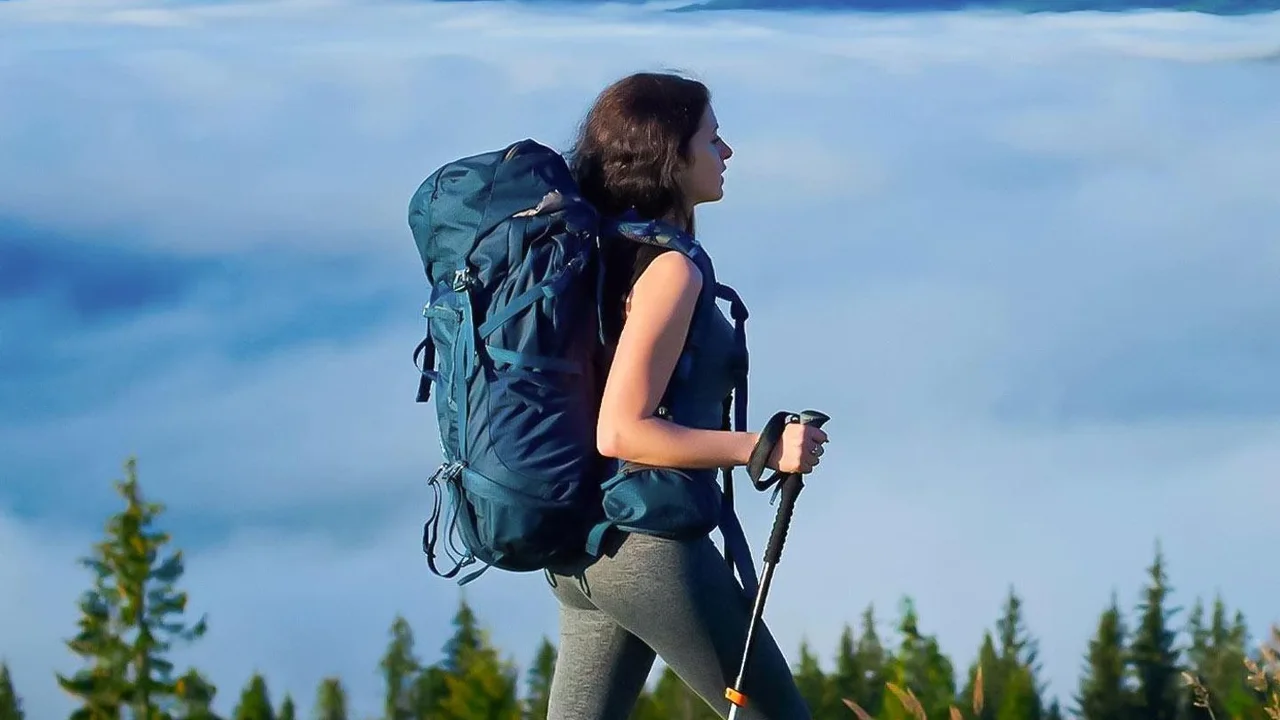
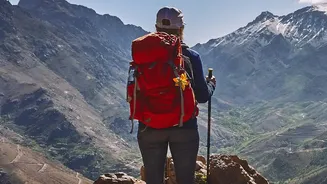
Packing correctly is critical for both safety and comfort. Your gear list must be built around staying dry and stable. Waterproofing is non-negotiable: a high-quality poncho or rain jacket, waterproof pants, and a rain cover for your backpack are essential. Footwear should consist of trekking shoes with deep grooves for a strong grip on slippery, muddy trails. Trekking poles are highly recommended to provide extra stability. Pack quick-drying clothes, as cotton will stay wet and can lead to hypothermia. Also, be prepared for leeches in forested areas below 3,000 meters by carrying salt or repellent.
Logistics: Bookings and Permits
The Independence Day weekend is a popular time for travel, leading to a surge in visitors. This means accommodations, guides, and porters get booked up far in advance. Last-minute planning can leave you stranded or forced to compromise on safety with inexperienced support. For treks like the Valley of Flowers, permits are required, and it's wise to arrange these beforehand to avoid queues and disappointments. Always hire a local, experienced guide who understands the monsoon conditions, can assess risks on the trail, and knows alternative routes if needed. Their knowledge is your best safety asset.