






Analyse Weather and Regional Advisories
Before you even think of booking, go beyond a simple weather app. Check the Indian Meteorological Department (IMD) for detailed forecasts and warnings for your chosen destination. Monsoon intensity varies greatly across India. While some regions like
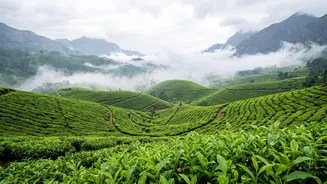
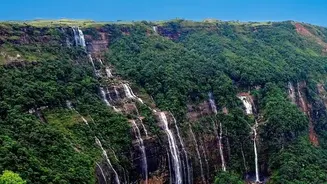
Rajasthan see minimal rain, others in the Himalayas, Western Ghats, and Northeast can experience relentless downpours. Look specifically for alerts on flooding, waterlogging, and landslides, which are common hazards. Some areas, particularly in states like Himachal Pradesh, Uttarakhand, and parts of Kerala, may have official advisories against travel during peak monsoon. Prioritising destinations known for good infrastructure during this season, such as Coorg, Munnar, or Udaipur, can be a smarter choice.
Verify Hotel Accessibility and Amenities
A great hotel deal is worthless if you can't reach it or if it lacks basic amenities during a downpour. When booking, call the hotel directly. Ask about the risk of waterlogging in the area and confirm the accessibility of roads leading to the property. Inquire about their power backup facilities, as power cuts can be frequent during heavy rains. It’s also wise to check if they have an in-house restaurant. Being stuck indoors is more comfortable when you don't have to venture out into a storm for a meal. Avoid booking accommodations in extremely low-lying areas or eco-cottages that may not withstand severe weather.
Scrutinise Flight and Transport Schedules
Monsoon is notorious for causing travel chaos. Poor visibility, high winds, and waterlogged runways frequently lead to flight delays and cancellations. When booking flights, opt for direct routes where possible to minimise the risk of missing a connection. Booking an early morning flight can also be strategic, as delays tend to pile up throughout the day. For road or rail travel, be aware that schedules can be severely disrupted. Landslides can block mountain roads for days, and flooded tracks can halt train services. If driving, ensure your car is serviced and check tyre conditions. It's often safer to hire experienced local drivers who are familiar with treacherous monsoon routes.
Assess Health Risks and Pack a Medical Kit
The monsoon season sees a spike in water-borne and mosquito-borne diseases like dengue, malaria, and chikungunya. It is crucial to take health precautions seriously. Consult a doctor before your trip about any recommended vaccinations or preventive medication. Always carry a well-stocked first-aid kit with essentials for fever, cold, stomach infections, and antiseptic solutions. Mosquito repellent is non-negotiable. Be extra cautious about food and water; stick to bottled or purified water and eat at clean, reputable establishments to avoid stomach bugs. Avoid street food, especially items that may have been washed with contaminated water.
Confirm Your Travel Insurance Coverage
Travel insurance is critical for a monsoon trip, but not all policies are created equal. Before purchasing, confirm that the policy specifically covers disruptions caused by weather. Look for coverage related to flight cancellations, significant delays, and trip interruptions. This can help you recover non-refundable costs for flights, hotels, and tours if your plans are scuttled by floods or landslides. A good policy may also reimburse expenses for meals and accommodation during extended delays. Keep all receipts and be sure to get a formal delay or cancellation certificate from the airline to support your claim.
Build Flexibility into Your Itinerary
A rigid, tightly packed itinerary is a recipe for disaster during the monsoon. The weather is unpredictable, and disruptions are common. The best approach is to plan loosely and build buffer days into your schedule. This extra time allows for unexpected delays without causing you to miss the most important parts of your trip. Don't plan too many outdoor activities back-to-back. Have a 'Plan B' for rainy days, such as visiting indoor attractions, enjoying the hotel amenities, or simply relaxing with a book. This flexible mindset will help you embrace the season's leisurely pace rather than fight against its unpredictability.