








Smoother Blood Sugar Control
One of the most significant benefits of a post-meal walk is its effect on blood sugar levels. After you eat, carbohydrates are broken down into glucose, causing your blood sugar to rise. A walk prompts your muscles to use this glucose for energy, helping
to lower blood sugar levels more gradually. [1] Research shows that even a short walk of just five to ten minutes, ideally within 60 to 90 minutes after eating, can significantly moderate these post-meal spikes. [1, 12] This is crucial because sharp spikes and subsequent crashes in blood sugar can increase the risk of developing Type 2 diabetes over time. [1] For those with prediabetes or diabetes, a brief walk can be a powerful tool for managing their condition. [5, 8]
A Boost for Digestion
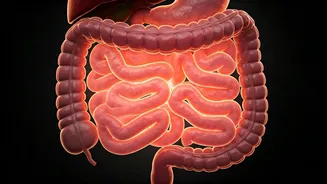
If you often feel bloated or overly full after dinner, a walk might be the simple remedy you need. Movement stimulates your stomach and intestines, helping food move more quickly through your digestive tract. [2, 12, 13] This process, known as gastric motility, can alleviate feelings of indigestion, gas, and bloating. [2, 3, 15] Studies have found that walking for 10 to 15 minutes after a meal can noticeably reduce these uncomfortable gastrointestinal symptoms. [2, 4] Unlike vigorous exercise, which can sometimes hinder digestion by diverting blood flow away from the stomach, a gentle stroll provides just the right amount of stimulation. [3, 7]
Supports Heart Health and Weight Management
Incorporating a regular post-dinner walk into your routine is also a win for your heart. Physical activity is known to help lower blood pressure and reduce LDL (bad) cholesterol, both of which are key factors in cardiovascular health. [2] Three 10-minute walks a day, such as after each meal, can help meet the recommended 150 minutes of moderate exercise per week. [2] While a single walk won’t lead to dramatic weight loss, it contributes to your daily calorie burn. [2] Over time, this consistent habit, combined with a healthy diet, can support weight management by preventing the accumulation of fat and improving your overall metabolism. [9, 19]
Better Sleep and a Calmer Mind
An evening walk can be a perfect way to wind down and prepare your body for a restful night. The light physical activity helps reduce stress hormones like cortisol while promoting the release of endorphins, which have a mood-boosting effect. [10, 12, 15] This combination can lead to a calmer state of mind, making it easier to fall asleep. [9] By helping to regulate your sleep-wake cycle, a consistent evening walk can improve the overall quality of your sleep, helping you to rest more deeply. [4, 10]
How to Get the Most from Your Walk
The good news is that you don't need an intense workout to reap the rewards. The ideal post-dinner walk is one of low to moderate intensity. Start walking soon after you finish your meal, as research suggests this is when it's most effective for blood sugar control. [2, 5] If you feel any discomfort, waiting 10 to 15 minutes before you start is fine. [2, 7] Aim for a duration of 10 to 20 minutes. [4, 7, 8] Even just two to five minutes of walking is better than sitting and has been shown to have a positive effect. [6, 12] The key is consistency. Make it a relaxing ritual, perhaps by listening to music or walking with a loved one, to ensure it becomes a sustainable and enjoyable habit. [10, 18]