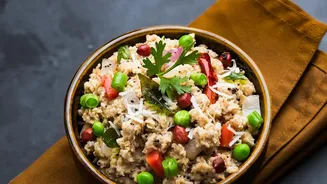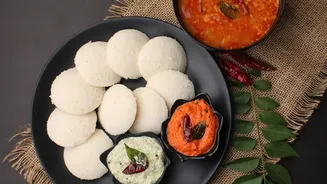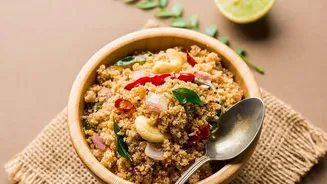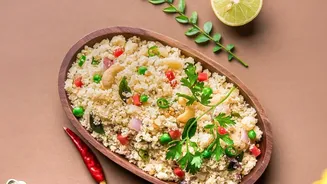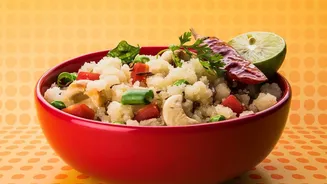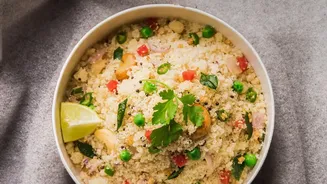

A staple in countless Indian households, upma is more than just a quick, comforting breakfast. It's a versatile canvas for regional flavours, with each part of the country adding its unique spin on this humble semolina dish. Let's explore its delicious
diversity.
The Classic: Rava Upma
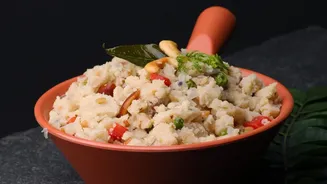
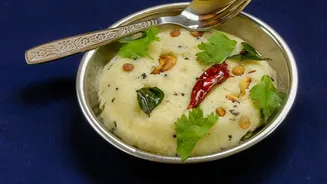
The most widely known version, Rava Upma, is made from dry-roasted semolina, or sooji. The preparation is simple yet flavourful, starting with a tempering of mustard seeds, urad dal, chana dal, and curry leaves in hot oil or ghee. Onions, ginger, and green chillies are sautéed before adding the roasted rava and hot water. The mixture is then cooked until the semolina absorbs the water, resulting in a fluffy, savoury porridge. While delicious on its own, it’s often served with coconut chutney, pickle, or a sprinkle of sugar.
Karnataka’s Khara Bath
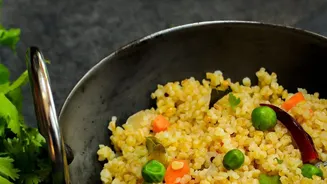
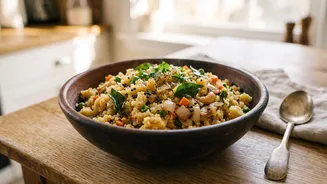
In Karnataka, upma is famously known as Khara Bath. While it shares the same semolina base, it is spicier and more aromatic. The key differentiator is the addition of a special spice blend, often a vangi bath powder, bisi bele bath powder, or a simple sambar powder, which gives it a distinct flavour and colour. Loaded with vegetables like carrots, beans, and capsicum, Khara Bath has a softer texture and a richer taste. It is famously served alongside a sweet semolina dish called Kesari Bath, a combination known as 'Chow Chow Bath'.
Tamil Nadu’s Rava Kichadi
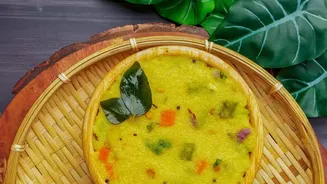
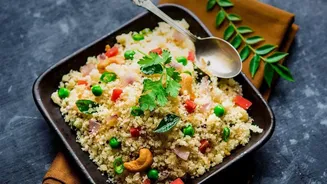
Often confused with upma, Tamil Nadu's Rava Kichadi is a richer, more decadent cousin. The primary differences are the generous use of ghee, the addition of turmeric which lends it a vibrant yellow hue, and a soft, melt-in-the-mouth texture. Kichadi is usually packed with vegetables like tomatoes, carrots, peas, and beans, and often includes cashews for a bit of crunch. The water-to-rava ratio is typically higher than in upma, contributing to its signature soft consistency.
Maharashtra’s Sanja
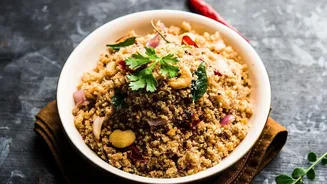
Heading west, Maharashtra offers its own take called Sanja. This version walks a delightful line between savoury, tangy, and subtly sweet. The preparation is similar to upma but often includes turmeric, giving it a yellowish tint. What makes Sanja unique is the occasional use of buttermilk or curd in the cooking process, which imparts a slight tanginess. It's also common to add a pinch of sugar to balance the flavours. Often garnished with roasted peanuts and fresh coconut, Sanja is a beloved breakfast and snack.
Beyond Semolina: Other Grains
The world of upma extends far beyond semolina. Many variations use different grains as their base, showcasing the adaptability of the dish. Semiya Upma, made with vermicelli noodles, is a popular alternative that offers a different, nonstasty texture. Arisi Upma, or Rice Upma, is a traditional Tamil dish made from coarse rice rava and often includes toor dal and black pepper, giving it a unique flavour profile. Another quick and easy version is Aval Upma, which uses flattened rice (poha) that is softened and then tossed with a flavourful tempering. These variations prove that almost any grain can be transformed into a delicious upma.