



As winter settles across India, the country’s celebrated national parks transform. The crisp air and thinner foliage create perfect conditions for wildlife spotting, offering a magical experience for nature lovers and thrill-seekers alike.
Why Winter is Prime Safari Season
Winter, roughly
from November to February, is widely considered the most pleasant time for a jungle safari in India. The oppressive heat of the summer gives way to cool, comfortable days, making the open-jeep drives through the wilderness enjoyable from dawn till dusk. Animals, much like humans, change their behaviour in the cooler weather. You are more likely to see a majestic tiger basking in the morning sun or a leopard resting on a sun-warmed rock. The post-monsoon greenery is still lush, creating stunning landscapes, and the morning mist adds a layer of mystique to the forests. Furthermore, with water sources beginning to dry up from their monsoon highs, animals congregate more predictably, increasing the chances of memorable sightings. It's also a fantastic season for birdwatching, as many migratory species arrive for the winter.
Tracking the Royal Bengal Tiger
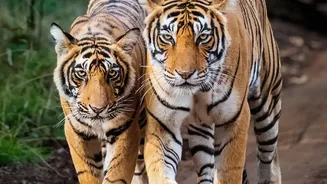
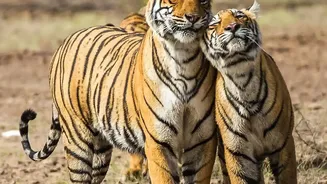
The tiger is the crown jewel of the Indian wilderness, and winter safaris offer a great chance to see this magnificent predator. With one of the highest tiger densities in the country, Madhya Pradesh is a top destination, but Rajasthan's dramatic landscapes provide an equally compelling backdrop.
Ranthambore National Park, Rajasthan
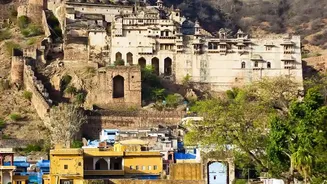
Ranthambore is perhaps India's most famous tiger reserve, known for its unique blend of nature and history. The crumbling 10th-century Ranthambore Fort provides a dramatic skyline, with ancient ruins scattered throughout the park. In winter, the cool, dry weather makes for comfortable safari rides. Tigers are often spotted near the park's famous lakes, like Padam Talao and Rajbagh, sometimes sunning themselves in open areas. While summer offers peak sighting intensity due to animals gathering at scarce waterholes, winter provides a more comfortable experience with beautiful, misty mornings and golden light perfect for photography. The period from October to March is considered the best time to visit for a pleasant overall experience.
Bandhavgarh National Park, Madhya Pradesh
For those serious about tiger sightings, Bandhavgarh is a must-visit. It boasts one of the highest densities of tigers in India, significantly increasing your odds of an encounter. The park's landscape of sal and bamboo forests, steep cliffs, and grassy meadows is breathtaking in the winter. The cooler temperatures between November and February make exploring the park comfortable. While the post-monsoon vegetation can be dense initially, it begins to thin out, and the pleasant weather allows for patient tracking of these majestic cats. The park is divided into several zones like Tala, Magadhi, and Khitauli, all offering good chances for sightings.
In Pursuit of the Elusive Leopard
While tigers often steal the spotlight, India is also home to a healthy population of leopards. These cats are famously elusive, but certain locations offer a remarkably high chance of spotting them, especially during the day in winter.
Jawai Leopard Conservation Reserve, Rajasthan
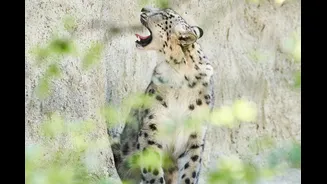
Jawai is a unique wildlife destination unlike any other in India. It is not a formal national park but an open landscape of dramatic granite hills where leopards and humans coexist. This area in the Pali district is renowned for having one of the highest concentrations of leopards in the country, and sightings are exceptionally common. The best time to visit is from October to March, when the weather is pleasant. During the winter days, leopards are frequently spotted basking on the sun-warmed granite outcrops, offering incredible photographic opportunities. Safaris here are conducted in open jeeps through the rocky terrain, providing a raw and thrilling experience.
The Land of the One-Horned Rhino
Moving to the northeastern part of the country, the grasslands of Assam are home to a prehistoric giant: the greater one-horned rhinoceros. A winter safari here is a completely different experience, dominated by vast floodplains and towering grasses.
Kaziranga National Park, Assam
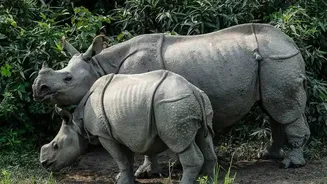
A UNESCO World Heritage Site, Kaziranga is the global stronghold for the one-horned rhinoceros, protecting nearly two-thirds of the world's population. The park is open from approximately November to April, making winter the prime and necessary season to visit, as monsoon floods close it for the rest of the year. During winter (November to February), the weather is mild and dry, and the towering elephant grass starts to recede or is burned off, dramatically improving visibility. This makes it much easier to spot rhinos grazing in the open grasslands, often within minutes of starting a safari. Besides rhinos, the park is also home to tigers, elephants, and a huge population of wild water buffalo.