






The Golden Rules of Wildlife Viewing
Responsible tourism begins with respect. To ensure your presence doesn't disturb the animals or their environment, always follow a few universal rules. First, maintain a safe and respectful distance. Use binoculars or a zoom lens for a closer look instead
of physically approaching animals. If an animal changes its behaviour, you are too close. Second, silence is golden. Switch off your vehicle's engine during sightings, keep your voice low, and put your phone on silent. Loud noises can cause stress and scare wildlife away. Never feed wild animals; it disrupts their natural diet and can make them dependent or sick. Also, stay inside your vehicle unless you are in a designated safe zone. Animals often perceive a vehicle as a single, non-threatening entity, but a person stepping out can be seen as a danger.
Dressing and Packing for the Wild
Your choice of clothing can make a difference. Wear muted, earthy colours like beige, brown, and olive green that blend in with the surroundings. Bright colours can startle animals. Comfortable, closed-toe walking shoes are essential for navigating uneven terrain safely. When packing, bring your own water and light snacks, as facilities within sanctuaries are often non-existent. A basic first-aid kit is also a wise addition. Remember to carry out everything you bring in, leaving no trace behind. Avoid using flash photography, as the sudden burst of light can distress or temporarily blind animals, which is especially dangerous at night.
Introducing Barda Wildlife Sanctuary
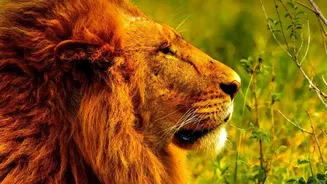
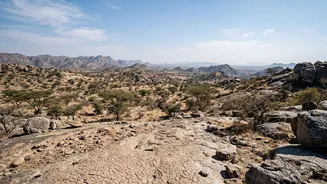
Located in Gujarat's Saurashtra region, about 15 km from Porbandar, the Barda Wildlife Sanctuary is a hilly, rugged landscape of immense ecological importance. Historically a private hunting ground for princely states, it was declared a sanctuary in 1979. Today, it is making headlines for a significant conservation success: the return of the Asiatic lion after an absence of nearly 144 years. A natural dispersal in 2023, followed by the introduction of several lions, has established a new, growing population, making Barda a crucial second home for the species outside of the crowded Gir National Park.
Flora and Fauna: What to See
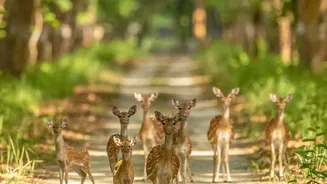
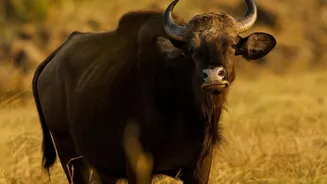
While the Asiatic lion is the star attraction, Barda's 192-square-kilometre expanse is incredibly diverse. The sanctuary is home to other predators like leopards, hyenas, and wolves. Its prey base includes blue bulls (nilgai), wild boars, and chinkara. With over 650 species of plants, the floral diversity is one of the richest in the state, featuring bamboo, jamun, and various medicinal plants. Barda is also an excellent destination for birdwatchers, with species like the crested hawk-eagle making their home here. The forest department is also working to reintroduce species like spotted deer (chital) and sambar to strengthen the ecosystem.
Planning Your Barda Visit
The best time to visit Barda Wildlife Sanctuary is during the cooler, drier months from November to February. The weather is pleasant for safaris and the chances of wildlife sightings are higher. The park is generally open from morning to evening, but it's best to confirm timings locally. Jeep safaris and guided tours are available and should be booked in advance, especially during peak season, to ensure availability. The nearest city with accommodation options is Porbandar. When visiting, remember to heed all instructions from your guide; they are trained to keep both you and the wildlife safe.