





Start with Hydration
Before you even change what you eat, focus on what you drink. Proper hydration is fundamental to feeling energized and supporting your digestive system. Dehydration can slow down digestion, leading to bloating and fatigue. Aim to drink plenty of water
throughout the day. You can also include coconut water, which is excellent for replenishing electrolytes. Starting your day with a glass of warm water can help kick-start your metabolism and aid in flushing out toxins. This simple habit helps soften stool, making bowel movements more regular and preventing constipation.
Embrace Probiotics with Yogurt
Yogurt, or dahi, is a powerhouse of probiotics—the 'good' bacteria that are essential for a healthy gut. These beneficial microbes help maintain a balanced digestive system, which can reduce issues like gas and bloating. Opt for plain, unsweetened yogurt to get the maximum benefits. You can have a bowl with your lunch or blend it into a smoothie. The probiotics in yogurt support the community of microorganisms in your gut, which is crucial for everything from nutrient absorption to immune function. A healthy gut microbiome is the foundation of good digestive health.
The Gentle Power of Khichdi
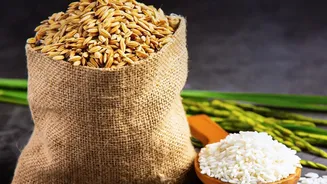
There's a reason khichdi is considered a go-to comfort food when you're feeling unwell. This simple dish of rice and lentils (like moong dal) is incredibly easy to digest, giving your gut a much-needed rest. It’s a balanced meal that provides carbohydrates for energy, protein for repair, and gentle fibre. A simple, lightly spiced khichdi can act as a 'reset' for your digestive system, helping to reduce inflammation and promote regular bowel movements. It’s nourishing, hydrating, and won't leave you feeling heavy or sluggish.
Sip on Soothing Herbal Teas
Swapping out your regular chai for herbal infusions can have a wonderfully calming effect on your digestive tract. Ginger tea, for instance, is well-known for its ability to soothe nausea and improve digestion. Peppermint tea is another excellent choice; it contains menthol, which can help relax the muscles of the digestive tract, relieving cramps and bloating. These caffeine-free teas not only aid digestion but also contribute to your daily fluid intake. A warm cup of ginger or peppermint tea after a meal can be a simple yet effective way to prevent discomfort.
Choose Energizing Fruits
For a natural energy boost that won't lead to a crash, turn to fruits. Bananas are a fantastic choice as they provide sustained energy and are rich in potassium, which supports muscle function. They are also a low-fructose fruit, making them less likely to cause gas. Papaya is another great option, known for containing enzymes that aid in protein digestion. Fruits with high water content, like watermelon and oranges, help with hydration while providing essential vitamins and a natural sweetness to satisfy cravings.
Incorporate Light, Soluble Fibres
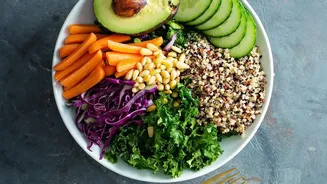
While fibre is crucial for gut health, some high-fibre foods can be harsh on a sensitive system. Instead, focus on gentle, soluble fibres found in foods like oats and lentils. Oats are a gentle source of fibre that can help regulate bowel movements without causing irritation. Lentils, a key component of khichdi, also provide soluble fibre that absorbs water and helps create softer stools. Including leafy greens like spinach, which are rich in fibre and magnesium, can further support digestive function.