





The Slush and Splendour of Malshej Ghat, Maharashtra
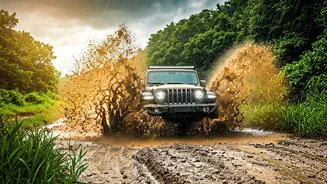
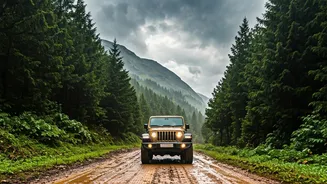
Just a few hours from Mumbai and Pune, Malshej Ghat becomes an off-roader’s paradise when the heavens open. The tarmac roads are famous for their cascading waterfalls, but the real adventure lies on the unpaved tracks that splinter off into the hills.
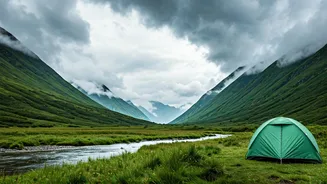
During monsoon, these dirt paths transform into slushy, slippery challenges that test both driver and machine. Engaging 4x4 low is a necessity as you navigate deep ruts filled with water and climb inclines that have become slick with mud. The reward for your efforts is unparalleled: misty valleys, lush greenery stretching as far as the eye can see, and the solitude of being away from the tourist crowds. The trail connecting Khireshwar to the backwaters of Pimpalgaon Joge Dam is a particularly popular route, offering a mix of moderate difficulty and spectacular scenery.
Coffee Country Adventures in Coorg, Karnataka
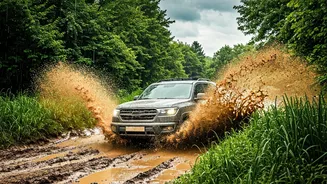
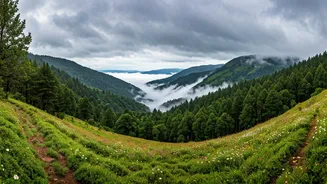
Coorg, or Kodagu, is beautiful year-round, but the monsoon adds a layer of raw, untamed beauty that’s best experienced from behind the wheel of a capable SUV. The region’s sprawling coffee and spice plantations are crisscrossed by private trails that become a thrilling maze of mud and foliage. Driving here is an exercise in precision and throttle control. You’ll encounter narrow paths winding through dense estates, steep descents made treacherous by rain, and the occasional stream crossing. Local off-roading clubs often organise monsoon drives, which are a great way for newcomers to explore safely. The routes around Mandalpatti and Nishani Motte offer some of the most demanding and scenic drives, taking you through grasslands and shola forests with panoramic views of the Western Ghats.
The Rocky Terrains of the Aravallis, Rajasthan
While Rajasthan is synonymous with deserts, the ancient Aravalli Range offers a completely different off-roading experience, especially during the monsoon. The rain washes the dust off the rocks, making the landscape near Udaipur and Jaipur incredibly green and the trails deceptively slick. This isn’t about deep mud; it’s about technical driving over wet, rocky terrain. You’ll need to carefully choose your line to avoid tyre damage while managing traction on slippery inclines. Routes like the one heading towards the Ranakpur ghats or exploring the backroads near Kumbhalgarh Fort become exciting challenges. The monsoon turns dry riverbeds into flowing streams, adding water crossings to the list of obstacles and transforming a familiar landscape into a fresh adventure.
Navigating the Jungles of Wayanad, Kerala
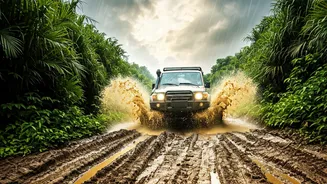
Wayanad's dense forests and rolling hills are a prime destination for monsoon off-roading. The region is a tapestry of tea estates, rainforests, and paddy fields, all connected by trails that range from easy to expert-level. The monsoon season saturates the ground, creating deep, sticky mud pits and slick, clay-heavy tracks that can challenge even the most prepared vehicles. The thrill lies in the unpredictability; a path that was manageable in the morning could become impassable by the afternoon after a heavy downpour. Exploring the trails leading up to Chembra Peak or venturing into the forest paths near Meppadi provides a full-spectrum experience, complete with stunning views of mist-covered mountains and the satisfaction of conquering a truly wild environment.
Essential Gear and Vehicle Prep
Heading out for a monsoon trail drive requires more than just a 4x4. Your vehicle must be in top condition. Start with a thorough check of the engine, brakes, and electrical systems. Equipping your SUV with All-Terrain (A/T) or Mud-Terrain (M/T) tyres is non-negotiable for grip. Essential recovery gear includes a tow rope or snatch strap, D-shackles, a high-lift jack, and a tyre inflator. A snorkel can be a lifesaver if you anticipate deep water crossings, preventing water from entering your engine's air intake. Finally, ensure all your lights, especially fog lamps, are working perfectly for visibility in heavy rain.
Safety First on the Trail
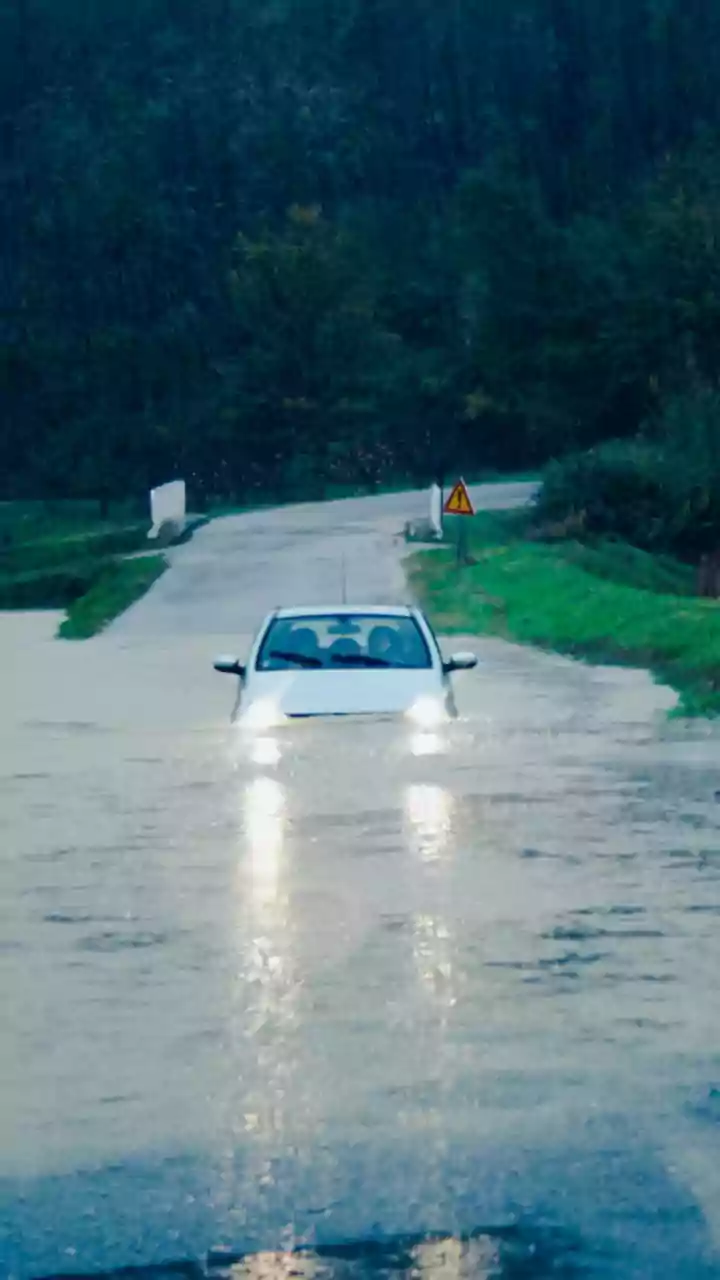
The thrill of off-roading should never overshadow safety. The golden rule is to never go alone; always travel in a convoy of at least two vehicles. Before you set out, check the local weather forecast and be aware of any landslide warnings. Inform someone of your intended route and expected return time. While on the trail, walk through any obstacle, especially water crossings, to gauge its depth and an unseen hazard before driving through. Maintain a safe distance between vehicles, drive slowly, and remember that the goal is to enjoy the journey, not to race. Respect the environment by sticking to established trails and carrying all your trash back with you.