



The Tandoor Myth
For generations, the belief has been that certain Indian breads are impossible to perfect in a home kitchen. The primary reason? The tandoor. This traditional clay oven reaches incredibly high temperatures, creating a unique, dry heat that cooks breads like
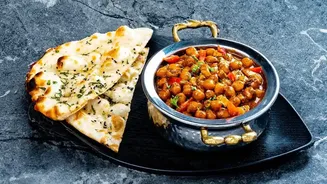
naan and tandoori roti in minutes. The direct exposure to the clay walls and intense heat gives them their signature puffy texture, light char, and smoky flavour. Without this specialized equipment, which is impractical for most homes, achieving that authentic restaurant quality seemed like a distant dream. This led many to believe these beloved breads were firmly in the domain of professional chefs, leaving home cooks to stick with simpler flatbreads like chapati and paratha.
A Home-Cooking Renaissance
However, a quiet revolution has been simmering in Indian kitchens. Fueled by a passion for good food, the rise of social media food communities, and a DIY spirit, home chefs have started to challenge the tandoor myth. They began asking a simple question: How can we replicate the effects of a tandoor using the tools we already have? The answer, it turns out, lies in a bit of kitchen ingenuity. By cleverly using everyday appliances like pressure cookers, iron tawas, and even inverted woks, food lovers are cracking the code to these once-elusive recipes. The result is a growing trend of people enjoying fresh, preservative-free, and incredibly delicious restaurant-style breads right from the comfort of their own homes.
The Naan Hack: Your Pressure Cooker
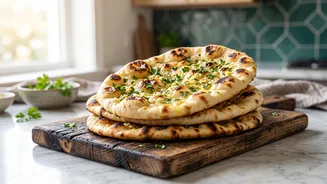
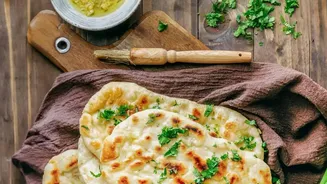
One of the most popular hacks is for making soft, pillowy naan. The secret lies in using a pressure cooker to mimic a tandoor. The method is surprisingly simple. After preparing the naan dough, it is rolled into the classic teardrop shape. One side is brushed with water, which helps it stick to the hot metal surface. The naan is then carefully placed, water-side down, onto the hot inner wall of the open pressure cooker. The cooker is then inverted directly over a high flame. This genius trick uses the cooker's enclosed shape to trap heat and cook the top of the naan, while the direct flame chars the bottom, creating those signature bubbles and browned spots. In just a couple of minutes, you have a perfect naan, ready to be slathered in butter or garlic.
Tandoori Roti on a Tawa
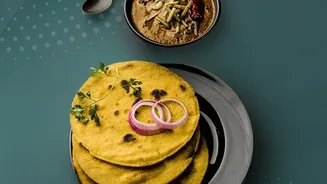
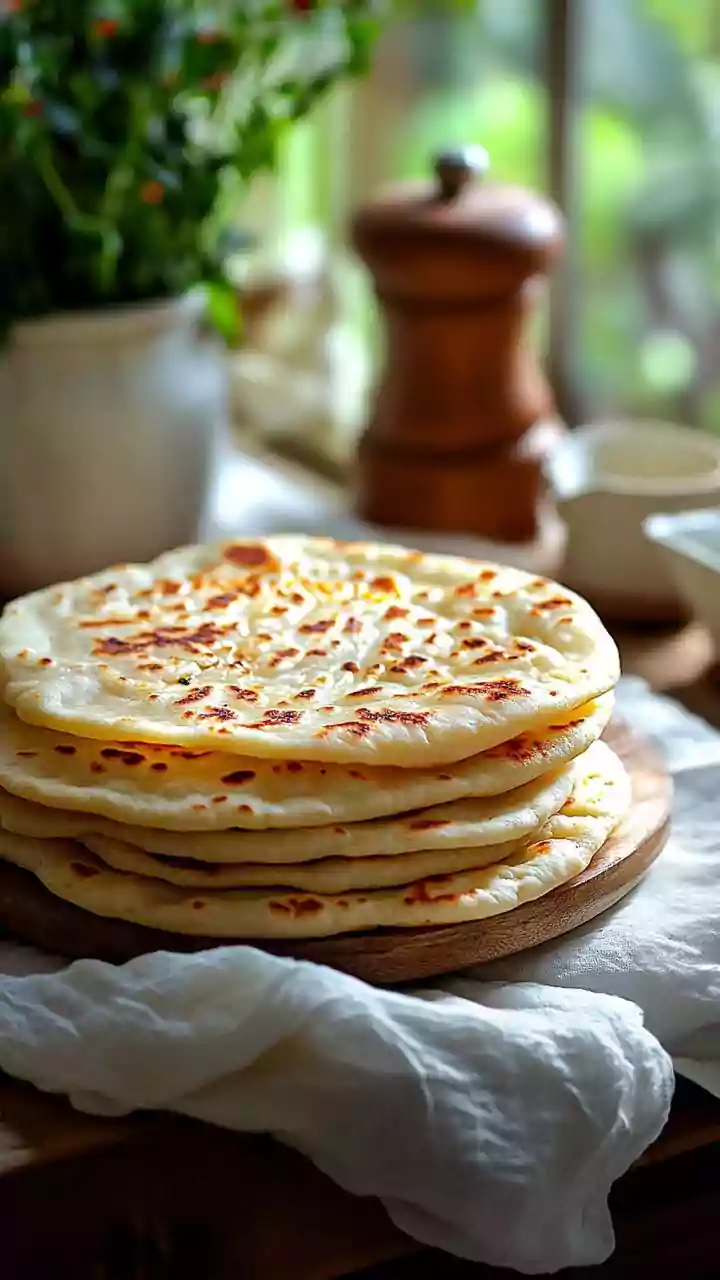
Similarly, the smoky flavour of a tandoori roti can be achieved with a standard iron tawa—the kind found in most Indian households. Non-stick pans won't work for this technique, as the bread needs to adhere to the surface. The whole wheat dough is rolled slightly thicker than a regular chapati, and one side is coated with water. This wet side is placed onto a hot iron tawa, where it sticks firmly. Once bubbles start to appear on the surface, the entire tawa is flipped upside down and held directly over the gas flame. This allows the top of the roti to cook in the direct heat, developing the charred, smoky finish that gives tandoori roti its name.
Rumali Roti: The Inverted Kadai Method
Perhaps the most visually impressive trick is for making Rumali Roti, also known as 'handkerchief bread'. This ultra-thin, delicate bread requires a large, curved surface to cook on quickly. Home cooks have found the perfect substitute: an inverted kadai or wok. A kadai is placed upside down over the stove and heated until it's very hot. The paper-thin, almost translucent rolled dough is then carefully draped over the hot, domed surface. It cooks in a matter of seconds. As soon as small bubbles appear, it's flipped, cooked for another few moments, and then folded like a handkerchief while still hot. This method perfectly replicates the technique used by street vendors and restaurants.