
A Sweet Shift in the Modern Kitchen
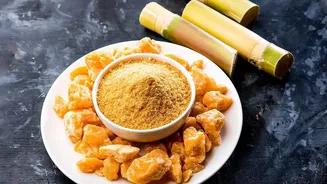
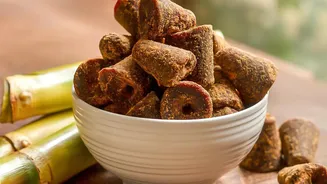
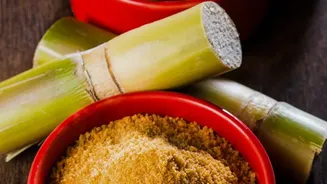
A scroll through social media reveals a vibrant trend: cakes, cookies, and brownies are getting a desi makeover. What’s changing isn’t the dessert, but the sweetener. Home bakers across India are consciously swapping out processed white sugar for organic
jaggery, or 'gur' as it is commonly known. This movement is part of a larger, nationwide embrace of organic and natural foods. Driven by a rising awareness of health and a desire for chemical-free products, consumers are looking for ingredients that are both nourishing and sustainable. The trend isn't limited to urban elites; it's a widespread shift seen in tier-2 cities and towns, where families are prioritising wellness.
The Health Halo: Why Jaggery?
The primary driver behind this switch is health. Unlike white sugar, which is stripped of all nutrients during processing, jaggery retains many of the minerals found in sugarcane juice. It is a source of iron, potassium, calcium, and magnesium. While both sweeteners have similar calorie counts, jaggery is a complex carbohydrate, which means it releases energy more slowly than the instant rush provided by refined sugar. This helps in avoiding the sharp spikes and crashes in blood sugar levels. Ayurvedic tradition has long recognised jaggery for its digestive properties, and it is often consumed after meals. Though it is considered a healthier alternative, experts advise that jaggery is still a form of sugar and should be consumed in moderation.
A Return to Culinary Roots
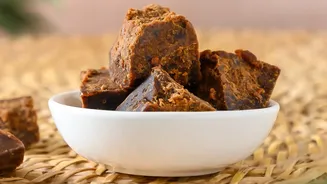
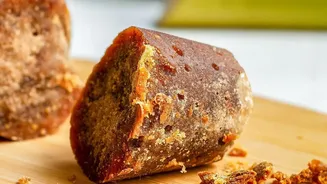
This trend is not just a health fad; it's a cultural homecoming. For centuries, jaggery was the primary sweetener in Indian households before industrialised sugar became commonplace. Today's home bakers are rediscovering this heritage ingredient, connecting with the culinary practices of their grandmothers. This revival celebrates traditional foods and ingredients, viewing them as whole foods rather than just commodities. The movement aligns with a broader push for 'Vocal for Local', which encourages the use of indigenous products and supports small-scale producers. From the common sugarcane jaggery to the more complex date palm and palmyra varieties, each brings a unique flavour profile rooted in India's diverse agricultural landscape.
Not Just for Mithai Anymore
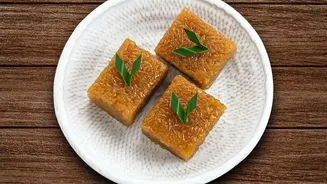
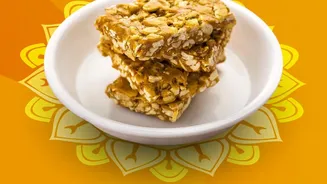
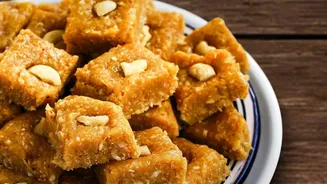
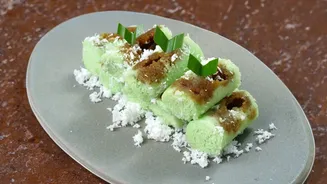
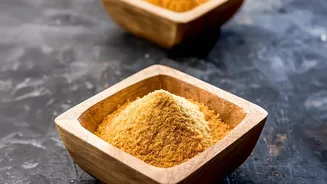
While jaggery has always been the star of traditional Indian sweets like laddoos, chikki, and kheer, its new role is in modern baking. Home bakers are now using it to create everything from moist banana bread and rich chocolate brownies to spiced cookies and classic tea cakes. The deep, earthy, and caramel-like notes of jaggery add a layer of complexity that white sugar cannot replicate. Flavoured jaggery powders, infused with spices like cardamom, ginger, and fennel, are also gaining popularity, allowing bakers to easily add an aromatic twist to their creations. This versatility has proven that jaggery is not just a substitute, but a culinary upgrade.
The Baker's Challenge
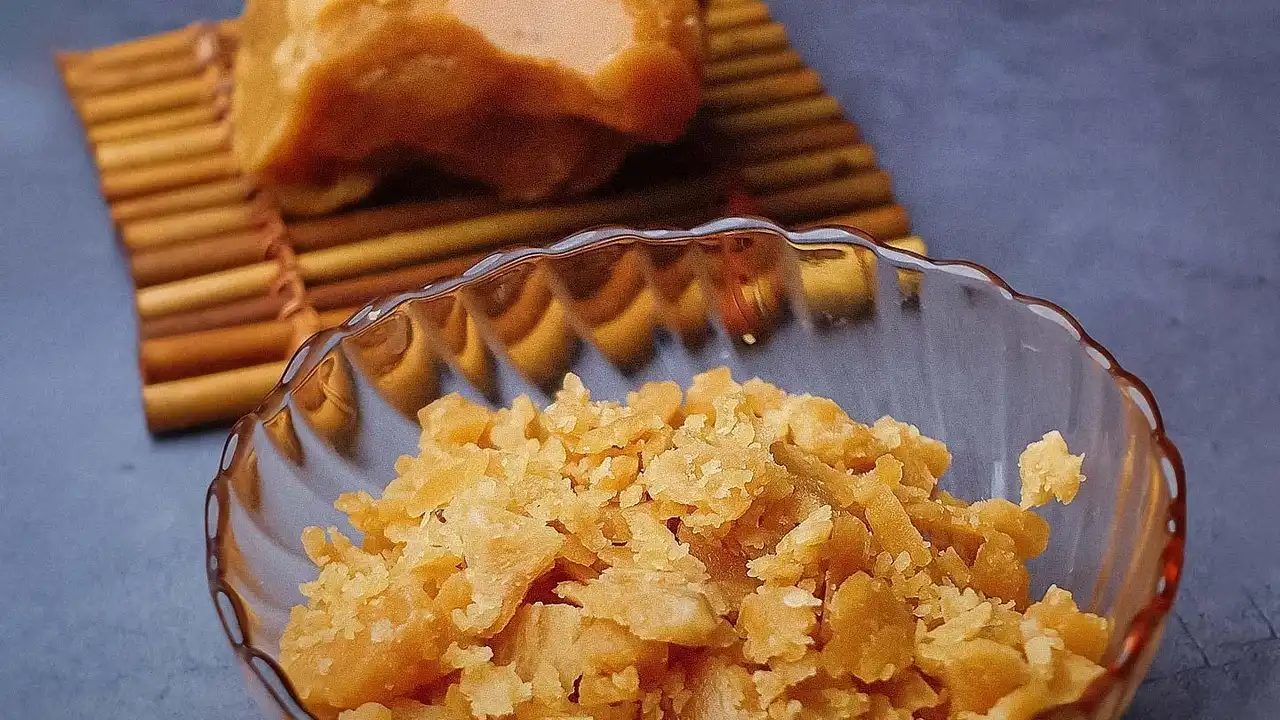
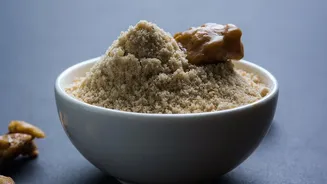
Baking with jaggery is not always a simple one-to-one replacement for sugar. Its properties can change the final product. Jaggery is a natural humectant, meaning it retains moisture, which can result in denser, moister cakes and muffins—often a desirable outcome. However, its texture and flavour can vary. It’s often recommended to use jaggery powder to avoid lumps, or to dissolve solid jaggery in a warm liquid like milk or water before adding it to a batter. Because it adds extra moisture, some bakers find they need to slightly reduce the other liquids in a recipe to achieve the perfect balance. Navigating these nuances is part of the creative process that these bakers are embracing.