



1. Master the Paw Patrol
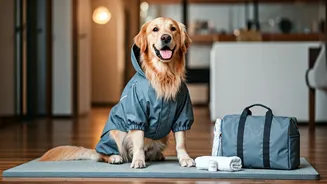
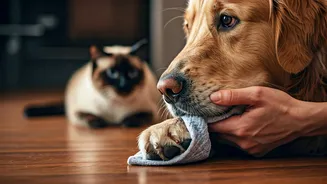
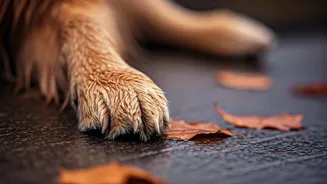
Your pet’s paws are their first point of contact with damp, muddy, and potentially contaminated surfaces. Puddles can harbour bacteria and viruses, while prolonged dampness can lead to fungal infections between their toes. Make it a non-negotiable rule
to clean and dry their paws every time they come in from outside. Use a soft towel to wipe them down thoroughly. For a deeper clean, a solution of lukewarm water and a pet-safe antiseptic can be effective. Inspect their paw pads for any cuts or abrasions, as these can become easily infected in the humid environment.
2. Prioritise a Dry Coat
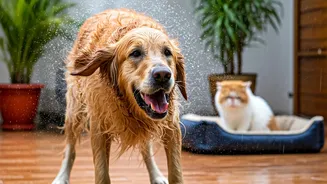
A damp coat is a breeding ground for skin problems. Fungal and bacterial infections, like pyoderma, thrive in the persistent humidity of the monsoon. If your pet gets wet during a walk, towel-dry them immediately and thoroughly. For long-haired breeds, a hairdryer on a low-heat setting can be a lifesaver. Regular brushing is also crucial. It helps aerate the coat, prevents matting (which traps moisture), and allows you to spot any redness, rashes, or early signs of skin trouble before they escalate. Avoid frequent bathing, as it can strip natural oils, but if a bath is necessary, ensure your pet is completely dry afterwards.
3. Double Down on Pest Prevention
Ticks, fleas, and mosquitoes are more prevalent during the monsoon. These pests are not just an itchy nuisance; they transmit dangerous diseases like tick fever and heartworm. This is the time to be extra vigilant with your pet’s regular tick and flea prevention schedule. Consult your veterinarian about the best-suited spot-on treatments, collars, or oral medications for your pet. After every walk, do a quick body check, paying close attention to areas like the ears, neck, armpits, and between the toes, where ticks love to hide.
4. Manage Their Monsoon Diet
Digestive issues can flare up during this season. Ensure your pet's drinking water is always fresh and clean to prevent water-borne illnesses. If you feed your pet dry kibble, don't leave it out for too long, as the high humidity can make it soggy and encourage fungal growth. Stick to regular meal times. Reduced physical activity because of the rain might mean your pet needs slightly fewer calories to avoid weight gain. You can also incorporate gut-friendly foods like yoghurt (for dogs, in moderation) or vet-approved probiotics to support their digestive health.
5. Beat the Indoor Boredom
Fewer walks and less time outdoors can lead to boredom and pent-up energy, which may manifest as destructive behaviour. Keep your pets mentally and physically stimulated indoors. Invest in puzzle toys, snuffle mats, or play a game of hide-and-seek with their favourite treats. Short training sessions to reinforce old commands or teach new tricks are a fantastic way to engage their minds. For cats, a simple cardboard box or a laser pointer can provide hours of entertainment. A stimulated pet is a happy pet, even when cooped up inside.
6. Create a Thunderstorm Safe Space
Loud thunder can be terrifying for many dogs and cats. This anxiety is real and can cause them significant distress. Prepare a safe, cosy den for them—a crate covered with a blanket, a quiet corner with their favourite bed, or even just a spot near you. During a storm, close the curtains to block out lightning flashes and play some calming music or turn on the TV to muffle the noise. Act calm and reassuring yourself, as pets often pick up on their owner’s anxiety. Comfort them, but avoid excessive coddling, which can reinforce their fear.