




A Kingdom Awash in Green
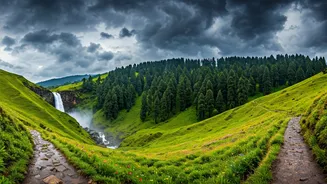
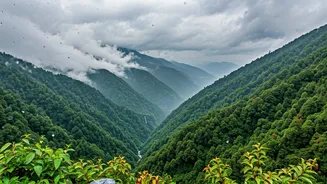
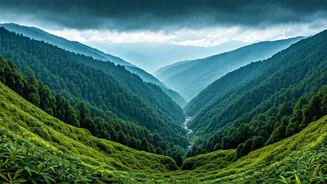
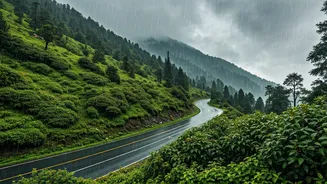
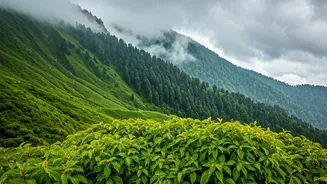
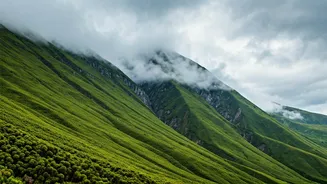
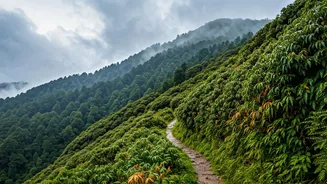
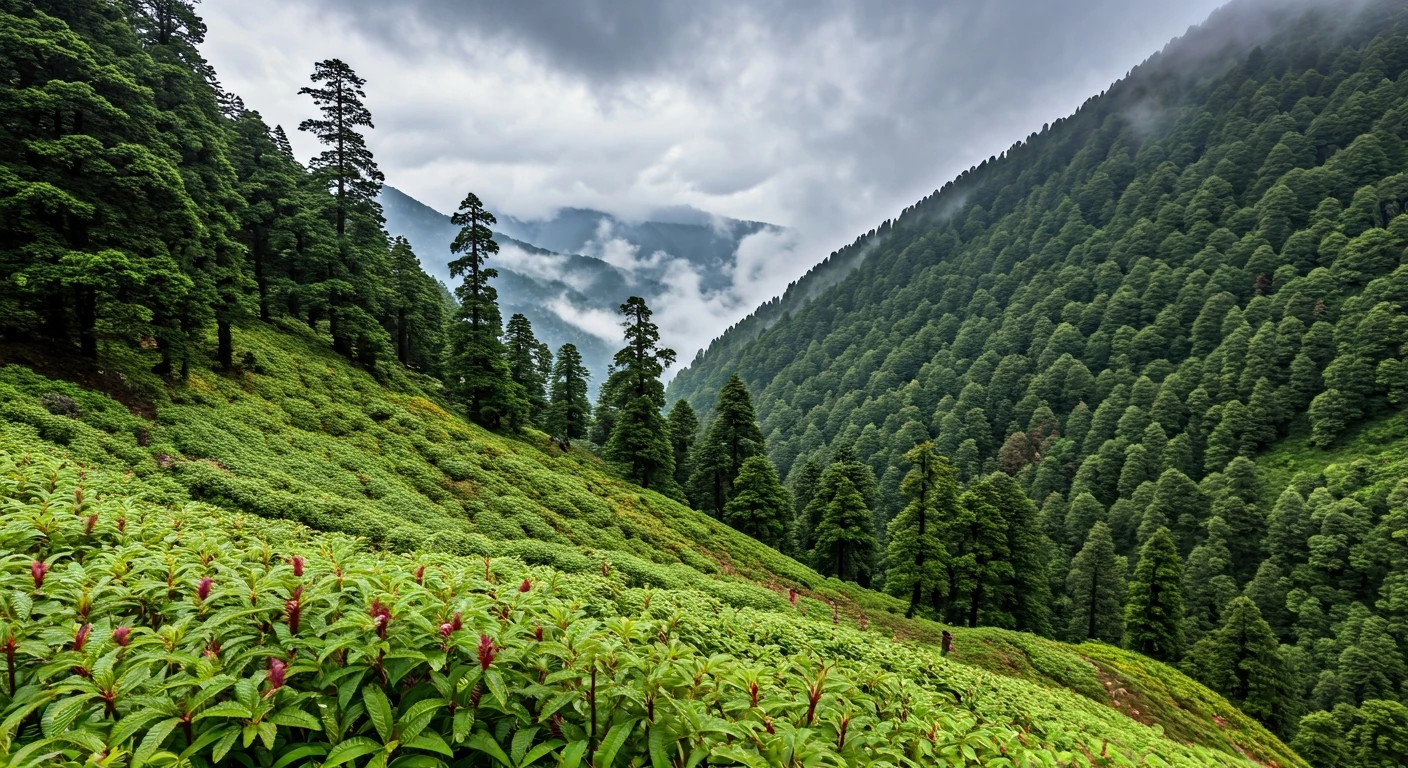
Between June and September, the monsoon breathes a vibrant new life into Sikkim. The entire state undergoes a dramatic transformation, earning its reputation as a lush paradise. The hills and valleys, still dusty from the preceding months, become cloaked
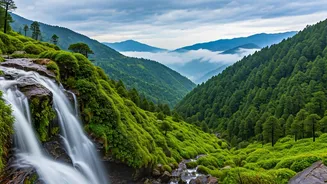
in countless shades of emerald and jade. This is when the region’s flora is at its most spectacular, with wildflowers and wild orchids bursting into bloom across the forests. The air itself feels different—clean, fresh, and carrying the scent of wet earth. For photographers and nature lovers, this season offers a visual feast, as every corner of the landscape comes alive with a vivid, almost surreal, intensity. The constant drizzle and rolling mist only add to the magic, creating a serene and otherworldly atmosphere that peak tourist seasons simply cannot match.
Waterfalls in Their Full Splendour
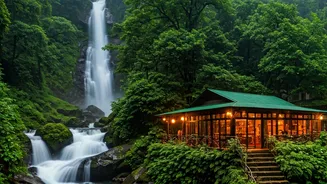
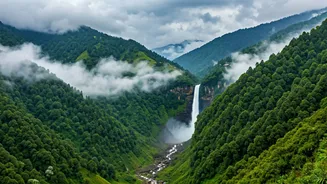
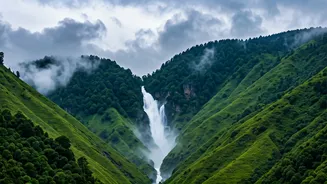
While pleasant year-round, Sikkim’s waterfalls become truly majestic during the monsoon. The increased rainfall feeds these cascades, turning them from gentle streams into powerful, roaring spectacles. Banjhakri Waterfall, a popular spot near Gangtok, becomes particularly forceful and beautiful during this time. Another must-see is Kanchenjunga Falls, a large perennial waterfall believed to originate from the glaciers of the mighty mountain itself. The journey to these sites, through rain-slicked roads and verdant forests, is an adventure in itself. The sheer volume and power of the water is a humbling reminder of nature’s force, and the cool spray is incredibly refreshing.
The Peace of Fewer Crowds
One of the most compelling reasons to visit Sikkim during the monsoon is the tranquillity. This is considered the off-season, meaning you’ll encounter far fewer tourists. The typically bustling viewpoints, monasteries, and markets become quiet, reflective spaces. Imagine visiting the serene Pemayangtse Monastery in Pelling or the historic Enchey Monastery in Gangtok without the usual crowds, allowing for a more personal and spiritual experience. This solitude extends to your entire trip, from quieter homestays to more meaningful interactions with locals. Furthermore, the off-season often brings budget-friendly perks, with lower prices for hotels and transport.
Cosy Cafes and Comforting Cuisine
The cool, rainy weather is the perfect excuse to indulge in Sikkim’s comforting local cuisine. Picture yourself ducking out of a shower into a warm, inviting café in Gangtok, sipping on a hot cup of Temi tea or local coffee. It’s the ideal time to sample steaming bowls of thukpa (noodle soup), delicious momos, and other local delicacies that seem made for a rainy day. Exploring the car-free MG Marg in Gangtok, with an umbrella in hand, offers a unique charm as you hop between shops and eateries. A stay in a local homestay in a village like Darap can also provide an authentic taste of Sikkimese culture and hospitality, enhanced by the cosy atmosphere of the monsoon.
A Word on Practicalities
While a monsoon trip to Sikkim is magical, it requires practical planning. The rains can cause landslides and road closures, particularly in North Sikkim. For this reason, it is often advised to stick to the relatively safer and more accessible regions of East, West, and South Sikkim, including destinations like Gangtok, Pelling, Ravangla, and Namchi. High-altitude areas like Lachen, Lachung, and Gurudongmar Lake are best avoided. It’s crucial to build flexibility into your itinerary, with buffer days in case of travel delays. Hiring experienced local drivers who understand the terrain is essential for safety. Pack waterproof gear, including a good raincoat, waterproof shoes, and quick-dry clothing, to ensure your comfort throughout the journey.