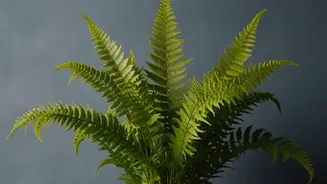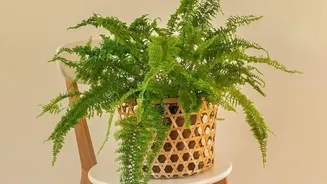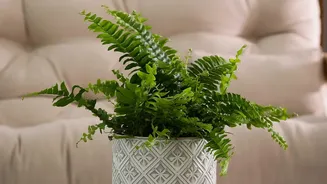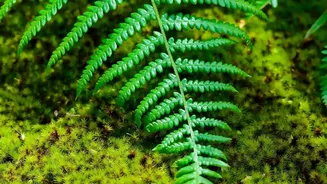






The lush, graceful fronds of a fern can bring a touch of serene forest beauty to any home or office. But keeping them vibrant can be a challenge. One simple technique, regular misting, can make all the difference in their health and appearance.
Why Your Fern Craves Humidity
Most ferns
that we grow indoors are native to tropical and subtropical forest floors. In these natural habitats, they live under the shade of large trees where the air is consistently moist and humid. Dry air, common in air-conditioned offices and heated homes, is one of the biggest challenges for indoor ferns. When the air lacks moisture, water evaporates from the fern's delicate fronds faster than the roots can absorb it, leading to those dreaded crispy, brown tips and edges. Misting is a way to temporarily raise the humidity right around the plant, mimicking the moist air of its native environment and helping the foliage stay hydrated and green.
The Correct Way to Mist Your Ferns
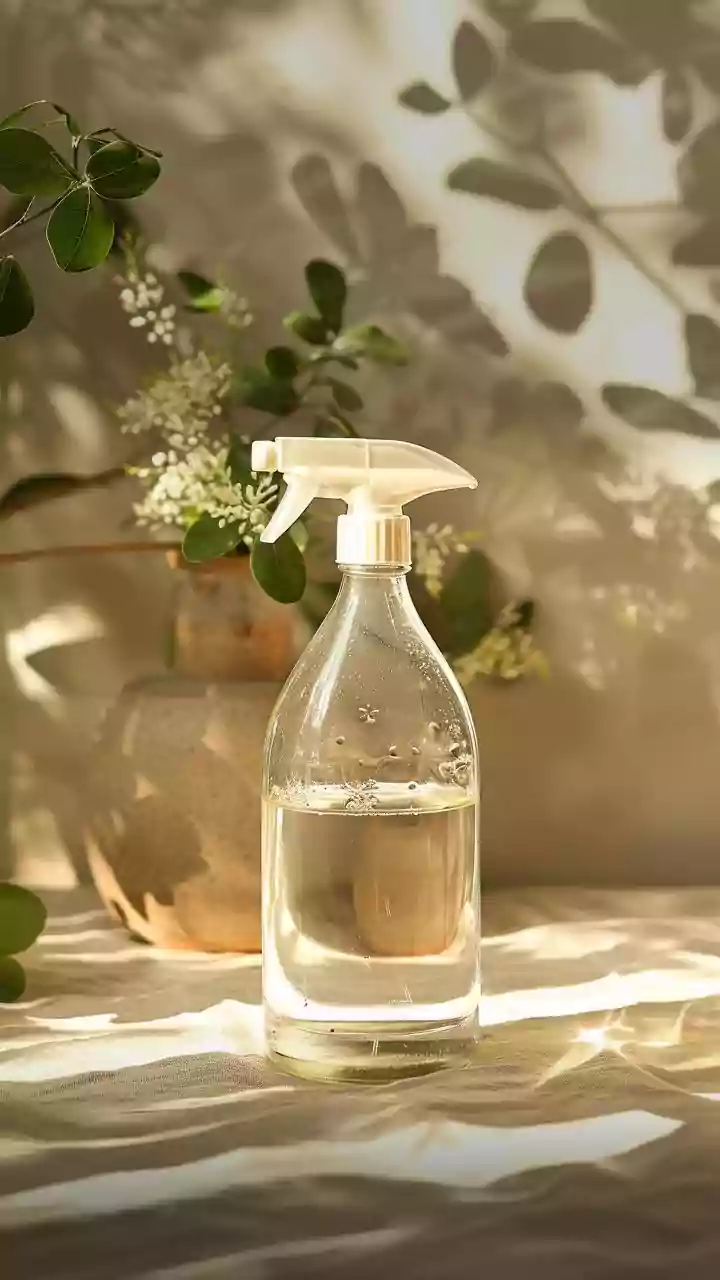
Misting isn't just about spraying water; technique matters. Use a spray bottle that produces a fine, gentle mist rather than large, heavy droplets. Hold the bottle about 20-30 cm away from the plant and spray lightly until the leaves have a dewy sheen but are not dripping wet. The best time to mist is in the morning. This gives the foliage ample time to dry throughout the day, which is crucial for preventing fungal diseases that can thrive on leaves that remain wet overnight. Using room-temperature water is also important, as cold water can shock the plant's leaves. While some sources suggest tap water is fine, if your water is very hard, it can leave mineral deposits on the fronds; using filtered or distilled water can prevent this.
How Often Should You Mist?
The ideal frequency for misting depends entirely on your indoor environment. A fern in a dry, air-conditioned room may benefit from daily misting. In contrast, during the humid monsoon season or in a naturally damp room, you might only need to mist a few times a week. The key is to observe your plant. If you notice the tips of the fronds becoming brown and crispy, it's a clear sign that the air is too dry and more frequent misting could help. However, remember that misting provides only a temporary boost. It's a helpful supplement, not a cure-all for extremely dry conditions.
Common Mistakes to Avoid
While beneficial, incorrect misting can cause problems. The most common mistake is overdoing it or misting too late in the day, leaving foliage wet overnight and creating a welcoming environment for fungal or bacterial infections. Good air circulation is important to help leaves dry. Also, misting is not a replacement for watering the soil. Ferns need their roots watered to survive; misting only tends to the foliage. Another pitfall is relying on misting alone in a very dry space. While it helps, it's often not enough to solve a chronic low-humidity problem.
Beyond Misting: Other Ways to Boost Humidity
For a more sustained solution, consider combining misting with other methods. One of the most effective strategies is to group your plants. Plants release moisture through a process called transpiration, and clustering them together creates a more humid microclimate for the whole group. Another popular method is the pebble tray. Simply place your plant pot on a tray filled with pebbles and water, ensuring the bottom of the pot sits on the pebbles and not in the water itself. As the water evaporates, it increases the humidity directly around the fern. Placing your fern in a naturally humid room, like a bathroom with a window, is also an excellent, low-effort option. For a serious humidity boost, a small room humidifier is the most effective tool.
Ferns That Love a Good Misting
While most ferns appreciate humidity, some are particularly sensitive to dry air and respond well to misting. The Boston Fern (Nephrolepis exaltata) is a classic example, known for its lush, arching fronds that can quickly turn crispy without enough moisture. The delicate Maidenhair Fern (Adiantum) is another variety that absolutely requires high humidity to prevent its fine fronds from drying out. Bird's Nest Ferns (Asplenium nidus) and Staghorn Ferns (Platycerium) also thrive with the extra moisture that misting provides.