

The Allure of the Post-Monsoon Journey
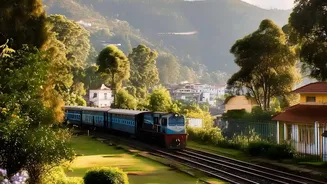
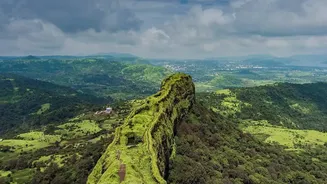
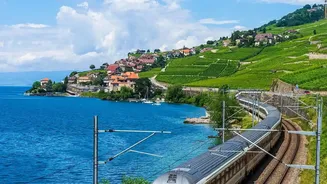
The Konkan Railway route, a 740-kilometre engineering marvel stretching from near Mumbai to Mangaluru, is spectacular year-round. However, the period from September to November, immediately following the heavy rains, offers a unique charm. The landscape
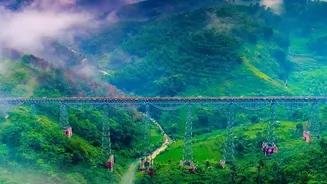
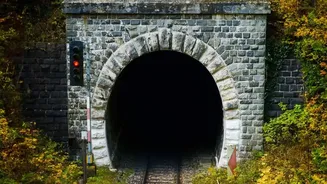
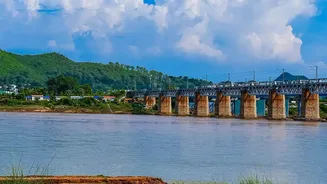
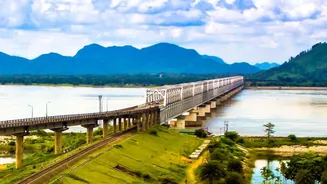
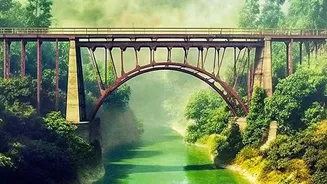
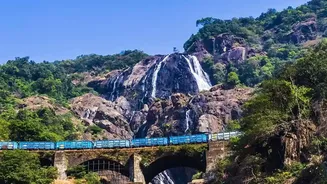
is intensely lush, rivers and streams are full, and seasonal waterfalls cascade down the hills of the Western Ghats. This time of year provides the dramatic greenery of the monsoon with clearer skies and more reliable train schedules, making it an ideal window for travellers. The most celebrated scenic stretch lies between Ratnagiri and Madgaon (Goa), where the train navigates through 91 tunnels and over 2,000 bridges, offering one breathtaking vista after another.
Choosing the Right Train for Daytime Views
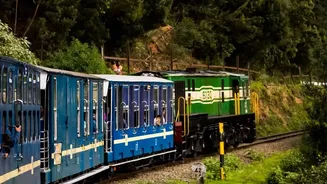
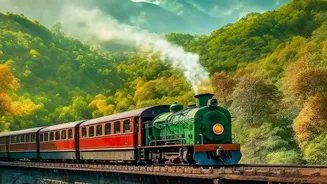
To make the most of the scenery, booking a train that travels through the most scenic sections during daylight is essential. Several excellent options cater to this. The Mandovi Express and Konkan Kanya Express are classic choices for the Mumbai-Goa route. The Tejas Express is a faster, more modern alternative. For those seeking the ultimate panoramic experience, some trains on this route are equipped with Vistadome coaches, which feature oversized windows and glass roofs. While premium-priced, they offer unparalleled, unobstructed views of the passing landscape. Regardless of the train, aim to secure a window seat. When travelling south from Mumbai towards Goa, the right-hand side of the train generally offers better valley and coastal views. When heading north, the left side is preferable.
A Class for Every Budget
Indian Railways offers a variety of classes, allowing you to balance comfort, cost, and views. For the most affordable journey, Second Seating (2S) and Sleeper Class (SL) are the go-to options. These non-AC coaches have open windows, which can provide a more immersive experience with unfiltered sounds and smells, though they can be crowded. AC Chair Car (CC) offers a significant step up in comfort with air-conditioning and cleaner, larger windows, providing a good balance between cost and a pleasant viewing experience. The Vistadome (Executive Chair Car - EC) is the most expensive option but is designed specifically for sightseeing, with spacious, rotating seats and massive glass panels. For many, the open window of a non-AC coach is the best way to experience the Konkan, but AC coaches provide welcome relief from humidity.
Mastering the IRCTC Booking System
Booking train tickets in India is primarily done through the official IRCTC (Indian Railway Catering and Tourism Corporation) website or its mobile app. Tickets for most trains open for booking 120 days in advance. For popular routes like the Konkan Railway, especially during peak travel times like the post-monsoon season, booking as early as possible is crucial as seats fill up extremely fast. To book, you will need to create an IRCTC account. The process involves searching for your source and destination stations, selecting a train and travel class, and entering passenger details before proceeding to payment. Keep your ID details handy, as they are required for booking and must be carried during the journey.
Tips for Snagging an Affordable Seat
While Vistadome coaches offer luxury, affordability is often found elsewhere. The key strategy is booking far in advance to secure seats in cheaper classes like Sleeper or AC Chair Car. If you are booking last minute, the 'Tatkal' quota releases tickets one day before travel, but these come at a higher price and are snapped up in seconds. Another trick is to try a 'split booking' strategy: instead of booking one ticket for a long journey, you can book multiple tickets for shorter legs of the trip, which can sometimes be cheaper. Also, consider booking from a station before your actual boarding point. Some trains have larger ticket quotas allocated to major stations, so booking from a station further up the line (while setting your correct boarding station) can sometimes open up availability, though you'll pay the fare for the full distance.