





Invest in a High-Grip Foundation
Your most critical piece of gear is your footwear. Standard sports shoes won't suffice on wet, muddy, or moss-covered rocks. Invest in waterproof trekking shoes with deep, aggressive lugs for superior grip and ankle support. Proper trekking shoes reduce
the risk of slips and falls, which are common on treacherous monsoon descents. Breaking them in before your trek is also essential to avoid painful blisters on the trail. Remember, dry feet are crucial for preventing fungal infections and staying comfortable.
Master the Art of Layering and Waterproofing
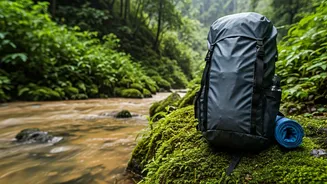
Staying dry is a constant battle during a monsoon trek. Avoid cotton at all costs, as it absorbs moisture, becomes heavy, and can lead to a dangerous drop in body temperature. Instead, opt for a three-layer system: a synthetic, quick-drying base layer to wick sweat, a fleece or light wool mid-layer for insulation, and a breathable, waterproof outer jacket or poncho. A poncho is often recommended as it can cover both you and your backpack. Additionally, use a waterproof pack cover and internal dry bags or simple plastic bags to protect your electronics, spare clothes, and other essentials.
Navigate with Modern and Traditional Tools
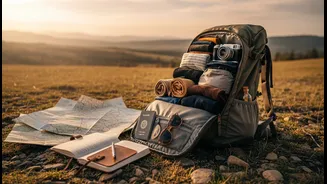
Dense fog and rain can reduce visibility to just a few meters, making it easy to get disoriented. While GPS and offline maps on your phone are valuable, don't rely on them entirely. Carry a fully charged power bank, but also have a physical map and compass as a backup. Trails can become obscured by fast-growing vegetation or disappear under landslides. Inform someone of your detailed itinerary and expected return time. Most importantly, hire a local guide or consult with villagers about the current trail conditions; their real-time knowledge is invaluable.
Tackle the Leech Challenge Proactively
Leeches are a common, though largely harmless, nuisance on monsoon treks in forested areas. They are attracted to moisture and wait on damp leaves and grass. The best defense is a physical barrier. Wear leech-proof socks or tuck your trousers tightly into your regular socks to block entry points. Applying a DEET-based insect repellent or a local remedy like saltwater or mustard oil on your shoes and gaiters can also be effective. If one latches on, don't panic or pull it off. Instead, use your fingernail to gently break its suction or apply a bit of salt or hand sanitiser to make it detach on its own.
Pack a Monsoon-Specific First-Aid Kit
Your standard first-aid kit needs a few monsoon-specific upgrades. Due to the high humidity and constant dampness, minor cuts and blisters can easily get infected. Include plenty of antiseptic wipes, waterproof bandages, and blister plasters. Add anti-fungal powder for your feet, oral rehydration salts (ORS) to combat dehydration, and any personal medications. A basic kit should also contain pain relievers, medication for diarrhoea, and tweezers for removing splinters.
Respect Rivers and Water Crossings
Small streams can swell into raging torrents within minutes during a downpour. High water flow is a significant danger during the monsoon. Before attempting to cross any water body, assess the current's speed and depth. If it looks too powerful or deep, do not risk it. Use trekking poles for extra stability when crossing. The safest decision is often to turn back or wait for the water level to recede. Never underestimate the power of water, especially in the mountains.