




The Dangers of a Desk-Bound Life
Our bodies were not designed to be stationary for eight hours a day. Prolonged sitting is often called 'the new smoking' for good reason. A sedentary lifestyle is linked to a host of problems, including an increased risk of heart disease, metabolic disorders,
and obesity. It can also lead to chronic aches and pains, particularly in the back, neck, and shoulders, as muscles tighten and joints stiffen from inactivity. When we sit for extended periods, blood circulation slows, which can impact everything from our energy levels to our cognitive function. The reality for many office workers is that finding time for a full gym session is a daily challenge. This is where a shift in perspective becomes a health game-changer.
What Exactly Is Micro-Exercise?
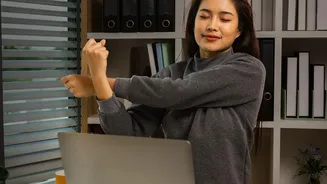
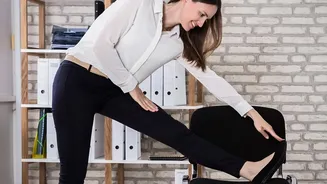
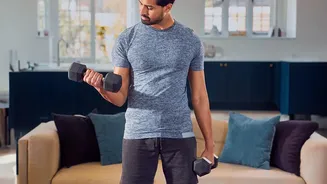
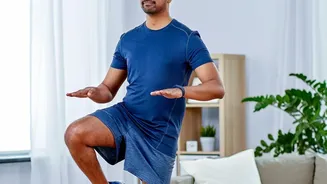
Micro-exercise, also known as 'exercise snacking', involves short, manageable bursts of physical activity performed throughout the day. Instead of one long 30- or 60-minute workout, you 'snack' on movement for just a few minutes at a time. These sessions can be as short as 30 seconds or last up to 10 minutes. The goal is to break up long periods of sitting and consistently activate your body. The beauty of this approach is its accessibility; it requires no special equipment, no gym membership, and no changing of clothes. You can do it right at your desk or in a nearby break area, making it a practical solution for even the busiest schedules.
The Science-Backed Benefits
Don't let the short duration fool you; the cumulative effect of these mini-workouts is significant. Research shows that even brief, vigorous activity can improve cardiovascular health, boost metabolism, and help with blood sugar management. One study found that short bursts of high-intensity exercise can positively impact BMI and reduce the odds of obesity. These 'movement snacks' also provide an immediate mental lift. By increasing blood flow and releasing endorphins, they can help sharpen your focus, boost your mood, and fight off the dreaded afternoon slump. Furthermore, regularly engaging your muscles and joints, even for a minute or two, helps prevent the stiffness and discomfort associated with a desk job.
Simple Exercises to Try at Your Desk
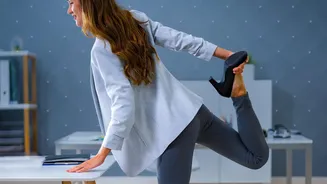
Getting started is easy. The key is to choose simple movements you can perform discreetly and safely in your workspace. Here are a few to incorporate into your day: • Chair Squats: Stand up from your chair, then lower your body back down until you are just hovering over the seat. Hold for a moment before standing back up. Repeat 10-15 times. • Desk Push-Ups: Place your hands on the edge of your sturdy desk, shoulder-width apart. Walk your feet back until your body is at an angle. Lower your chest toward the desk, then push back up. Aim for 10-12 repetitions. • Seated Leg Raises: While sitting, extend one leg straight out until it is parallel with the floor. Hold for a few seconds, then lower it slowly. Alternate legs for 20 total reps. • Neck and Shoulder Rolls: To relieve tension, gently lower your chin to your chest and slowly roll your neck from side to side. Follow this by rolling your shoulders up toward your ears, then back and down.
Making Micro-Exercise a Habit
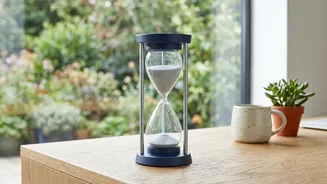
The key to reaping the benefits of micro-exercise is consistency. The best way to build this new habit is to link it to your existing routines. Try doing a set of calf raises while waiting for your coffee to brew. Perform a few stretches every time you finish a phone call. Or simply set a recurring timer on your computer or phone to remind you to stand up and move for one minute every hour. The goal isn't to leave you breathless and sweaty, but to simply reintroduce regular movement into your day. Start small with one or two 'exercise snacks' and gradually add more as you feel comfortable. Listening to your body is crucial; these movements should feel energizing, not strenuous.