







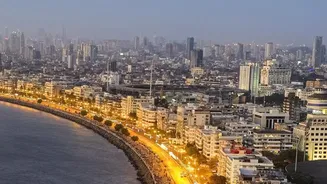
Embracing the 15-Minute City
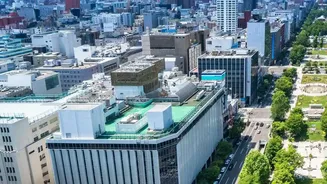
Imagine a neighbourhood where your office, your child's school, a grocery store, a park, and a clinic are all within a 15-minute walk or cycle from your home. This is the core idea of the '15-minute city'. By designing mixed-use neighbourhoods, cities
can drastically reduce our dependence on cars. This simple shift encourages daily physical activity, which is proven to lower the risk of chronic illnesses like heart disease and diabetes. It also gives back a precious commodity: time. Less time spent in traffic means more time for rest, hobbies, and family, which is a significant boost for mental well-being. This model also strengthens local economies and fosters a greater sense of community as people are more likely to interact with their neighbours.
Greening the Concrete Jungle
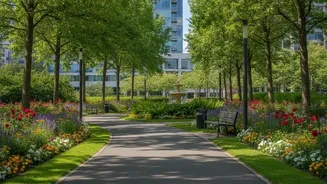
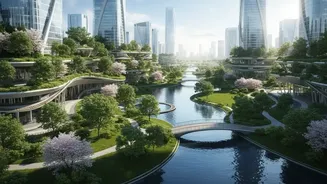
More than just beautification, integrating green spaces into the urban fabric is a powerful public health strategy. Parks, community gardens, and even vertical gardens on buildings can significantly improve mental and physical health. Studies show that exposure to green spaces is associated with lower stress levels, improved mood, and better attention. They provide vital spaces for exercise and social interaction, which can reduce feelings of loneliness and anxiety. Furthermore, trees and vegetation help combat the 'urban heat island' effect, cool down our cities, and improve air quality by filtering pollutants, which can lead to a reduction in respiratory illnesses.
Designing for Active Living
What if buildings themselves could nudge us toward healthier choices? This is the principle behind 'Active Design'. It involves architectural and urban design strategies that encourage physical activity. Simple examples include making staircases more visible, appealing, and accessible than elevators, or including secure bicycle parking and shower facilities in office buildings to encourage cycling to work. On a larger scale, it means creating safe, well-lit, and continuous footpaths that make walking a pleasant and practical choice. In India, where many footpaths are often broken, blocked, or non-existent, a focus on creating a complete and connected network for pedestrians is a critical first step. These changes integrate movement seamlessly into our daily routines.
Cleaning the Air, Calming the Mind
Traffic is a primary source of both air and noise pollution in cities, with significant health consequences. Fine particulate matter (PM2.5) from vehicle emissions is linked to a host of issues, from asthma and respiratory infections to cardiovascular diseases. Policies aimed at reducing traffic—such as creating low-emission zones (LEZs), improving public transport, and promoting walking and cycling—can lead to measurable improvements in public health. Studies have shown that reducing the number of private vehicles on the road not only cuts down on harmful emissions but also lowers the number of traffic accidents and reduces chronic noise pollution, which contributes to stress and poor sleep. Quieter, cleaner streets create a more pleasant and less stressful environment for everyone.
Fostering Social Connection
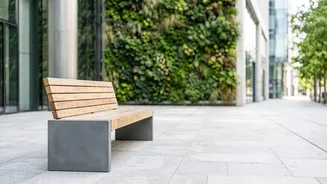
Modern urban life can often feel isolating. Urban planning can play a key role in combating loneliness by creating spaces that encourage social interaction. Public squares, car-free streets, community gardens, and well-maintained parks become natural meeting points where people can connect. When residents feel a stronger sense of community, it can lead to improved mental health and a greater sense of safety and belonging. Simple design choices, like placing benches in shaded areas or creating pedestrian-only zones on weekends, can transform a street from a simple transit corridor into a vibrant public space where community life can flourish.