





Embrace the Micro-Workout
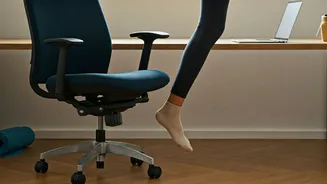
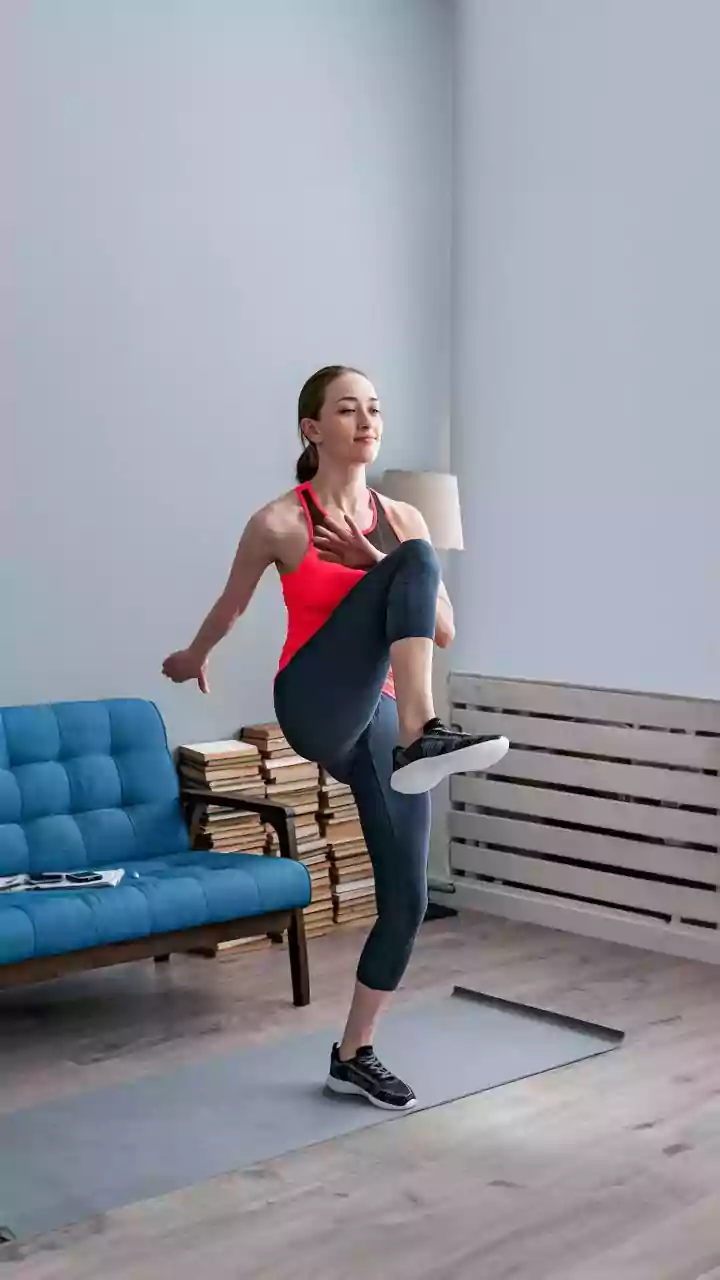
You don't need a full hour to make a difference. Micro-workouts are short bursts of activity, from 30 seconds to 10 minutes, that can be done right at your desk. Think chair squats, desk push-ups, or simply standing up and sitting down without using your hands
10-15 times. These small, frequent movements interrupt long periods of sitting, which helps improve circulation, boost energy, and maintain muscle strength. Research shows that breaking up sedentary time is one of the most effective ways to counteract the negative effects of a desk job. Set a reminder on your phone to do a quick activity every hour.
Master a Few Simple Stretches
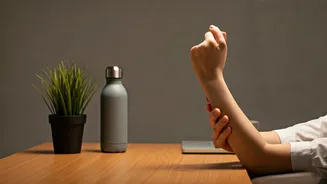
Stretching is a powerful tool against the stiffness that comes from prolonged sitting. You don’t need to be a yoga expert; simple stretches targeting the neck, shoulders, back, and wrists are incredibly effective. Try a chest opener by clasping your hands behind your back to counteract slouching. A seated spinal twist, where you gently rotate your torso, can relieve lower back tightness. For your neck, slowly tilt your head from side to side, bringing your ear toward your shoulder. Holding each stretch for 20-30 seconds can improve posture, reduce pain, and even clear your mind.
The Under-Desk Revolution
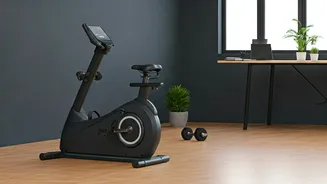
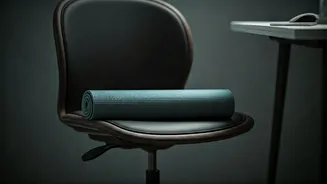
One of the biggest trends in desk fitness is the rise of discreet, under-desk equipment. These tools let you move while you work without anyone noticing. Under-desk ellipticals and pedal exercisers are quiet, compact, and allow you to keep your legs moving, which is great for circulation. Many models come with adjustable resistance levels so you can tailor the intensity. If you have a standing desk, a balance board can help strengthen your core and legs. Even swapping your chair for an exercise ball can engage your core muscles throughout the day.
Rethink Your Environment and Habits
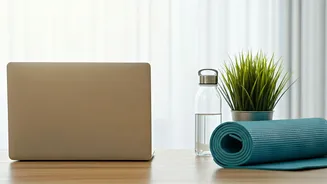
Simple changes to your routine and workspace can make a huge impact. Take the stairs instead of the elevator. When you need to talk to a colleague, walk over to their desk instead of sending an email. Use the farthest restroom to get more steps in. During phone calls, stand up and pace around your office. Even staying hydrated is part of the strategy; keeping a water bottle at your desk not only ensures you drink enough but also gives you a reason to get up for refills.
Make Your Breaks Active
Your breaks are a golden opportunity for movement. Instead of scrolling through your phone during your lunch break, go for a brisk 10-15 minute walk. Studies have shown that a short walk after eating can help regulate blood sugar levels. Even a five-minute break every hour can be used to walk a lap around the office, do a few stretches, or simply stand. The key is to see these moments not as interruptions, but as essential parts of a healthy and productive workday. Integrating small bouts of activity helps maintain energy and focus for the rest of the day.