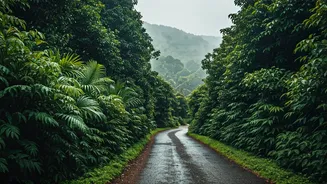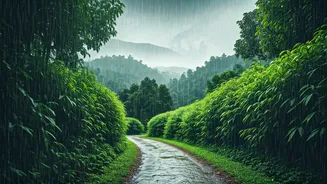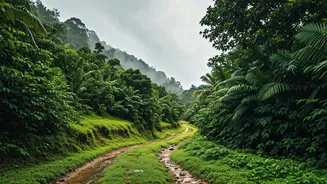






The Allure of the 'Green' Season
While the peak tourist season in Kerala runs from September to March, the off-season coincides with the summer and monsoon months, roughly from April to September. [3] The monsoon, in particular, transforms the state into a vibrant emerald paradise from June
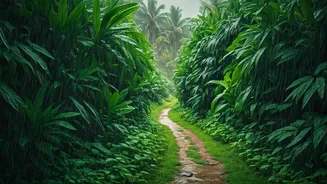
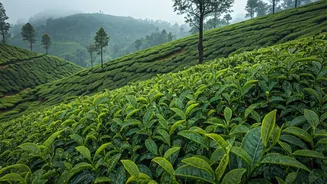
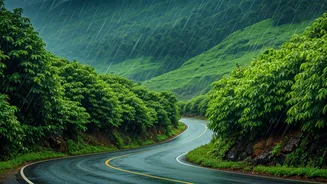
onwards. [2, 10] This isn't a time of non-stop torrential downpours that wash out plans; instead, the rain often arrives in intermittent, refreshing showers that breathe life into the landscape. [24] The air becomes cool, clean, and dust-free, making it the perfect backdrop for a rejuvenating getaway. Far from being a time to avoid, the monsoon offers a chance to see Kerala in its most raw and natural state, with swollen waterfalls and mist-covered tea plantations creating a magical atmosphere. [19, 20]
Unbeatable Value and Fewer Crowds
The most compelling reason to visit during the off-season is the significant drop in prices. With fewer tourists, hotels, airlines, and tour operators offer substantial discounts to attract visitors. [3] Accommodation rates can plummet by 40-60% compared to the peak winter season. [3, 7] A houseboat on the backwaters that might be prohibitively expensive in December becomes an affordable luxury in July or August. [7] This financial benefit extends to everything from meals to local transport. [3] Beyond the savings, the lack of crowds is a major advantage. Imagine exploring the serene backwaters of Alleppey, the tea gardens of Munnar, or the beaches of Varkala without the usual throngs of tourists. [2, 13] This allows for a more peaceful, private, and authentic experience where you can connect with the destination at your own pace. [13]
Unique Monsoon Experiences
The rainy season in Kerala isn't about hiding indoors; it unlocks a unique set of activities. It is traditionally considered the best time for Ayurvedic treatments. [10, 17] The cool, moist, and dust-free atmosphere is believed to make the body more receptive to therapies, and many resorts offer specialised wellness packages during this time. [17, 19] Nature lovers can witness waterfalls like Athirapilly in their full, thundering glory or go trekking in the lush, rain-washed hills of Wayanad. [20] A houseboat cruise becomes even more atmospheric, as you can watch the rain fall on the water from the comfort of your room. [19] The season also hosts vibrant local events, such as the famous snake boat races that take place in the backwaters around August. [6]
Top Destinations and Practical Tips
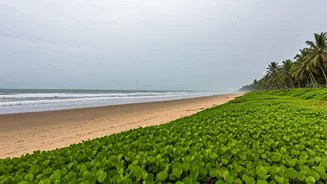
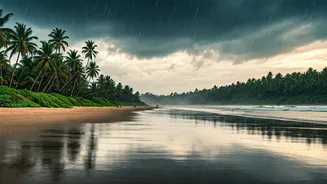
Certain destinations truly shine during the monsoon. The hill stations of Munnar and Wayanad are spectacular, with misty landscapes and vibrant green tea and coffee plantations. [12, 20] The backwaters of Alleppey and Kumarakom offer serene houseboat experiences, while Thekkady's Periyar Wildlife Sanctuary remains open for those hoping to spot wildlife. [12, 20] When packing, prioritise lightweight, quick-drying clothes, a reliable raincoat, and waterproof footwear. While generally safe, it's wise to stay updated on weather advisories, as heavy rains can occasionally cause travel delays or landslides in hilly areas. [4, 5] Booking with a reputable travel company can help you navigate any potential disruptions and ensure a smooth journey. [4] Be prepared for the possibility of some beach activities being restricted due to rough seas. [23]