

The Power of a 'Workout Snack'
The idea that you need a full hour at the gym to see results is quickly becoming outdated. Health experts now champion the concept of 'micro-workouts' or 'workout snacks'—short, focused bursts of activity lasting just a few minutes. Research shows that breaking
up long periods of sitting with brief movement can dramatically improve circulation, reduce muscle stiffness, and boost your energy and focus. These mini-sessions, when done consistently, contribute to your overall fitness goals, helping to build strength, improve cardiovascular health, and even lower blood pressure over time. Think of it not as a replacement for longer workouts, but as a powerful tool to combat the negative effects of a sedentary day.
The Cardio Booster: Walking High Knees
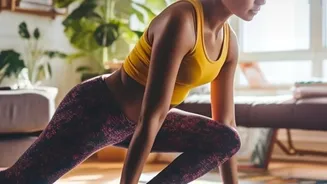
You don't need a treadmill to get your heart rate up. A simple, one-minute burst of walking high knees is an excellent way to kickstart your circulation and wake up your body. Stand up straight with your feet hip-width apart. Begin walking in place, but with each step, lift your knee up towards your chest as high as you comfortably can. Engage your core to keep your back straight and avoid leaning back. For a greater challenge, pick up the pace into a gentle jog or add a small hop with each step. This exercise warms up your major leg muscles and gets blood flowing to your brain, helping to clear mental fog.
The Posture Reset: Wall Sits
Hours spent hunched over a keyboard can wreak havoc on your posture and lower back. The wall sit is a fantastic isometric exercise that strengthens your legs, glutes, and core without any movement. Stand with your back flat against a wall. Walk your feet out about two feet in front of you, keeping them shoulder-width apart. Slowly slide your back down the wall until your thighs are parallel to the floor, as if you're sitting in an invisible chair. Ensure your knees are directly above your ankles. Hold this position for 30 to 60 seconds, focusing on keeping your core tight and your back pressed firmly against the wall. This simple hold builds endurance and reinforces good posture.
The Desk Worker's Friend: Chair Squats
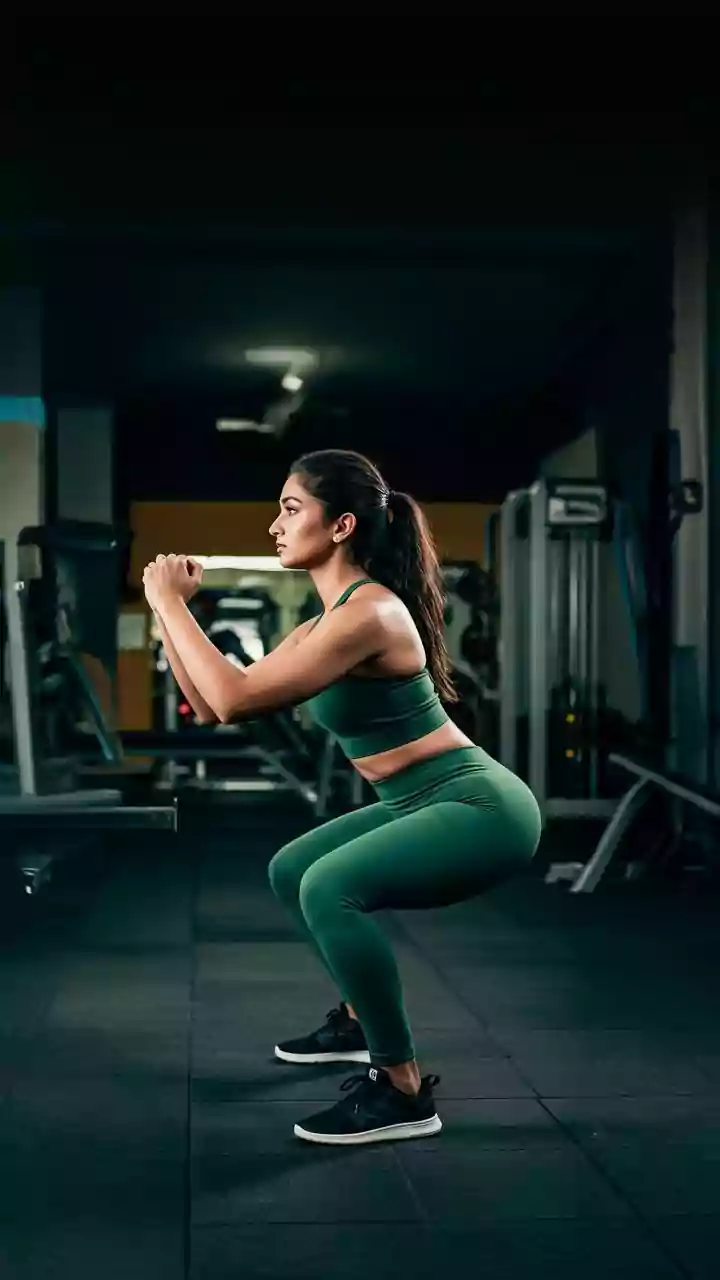
Chair squats, or 'sit to stands', are a functional movement that strengthens the muscles you use every day. Stand in front of your chair with your feet shoulder-width apart. Keeping your chest up and back straight, lower your hips back and down as if you are about to sit, lightly tapping the chair before standing back up. For a greater challenge, hover just above the seat without making contact. Focus on driving the movement from your heels. This exercise not only builds strength in your legs and glutes but also helps maintain mobility in your hips, which often become tight from prolonged sitting.
Upper Body Relief: Tricep Dips and Desk Push-Ups
Your upper body also needs attention during the day. You can use your desk or a sturdy chair for these two effective moves. For tricep dips, face away from your desk, placing your hands on the edge shoulder-width apart. Walk your feet out until your legs are straight or slightly bent. Lower your body by bending your elbows to a 90-degree angle, then push back up. For a desk push-up, place your hands on the edge of your desk, wider than your shoulders, and walk your feet back until your body forms a straight line. Lower your chest towards the desk, then push back up. Both moves target your arms, shoulders, and chest, countering the slumped-forward posture.
The Five-Minute Stretch Routine
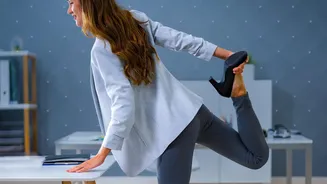
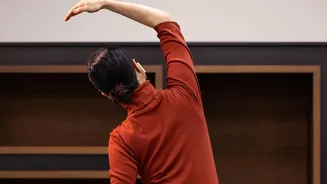
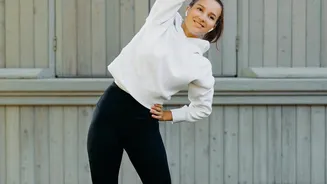
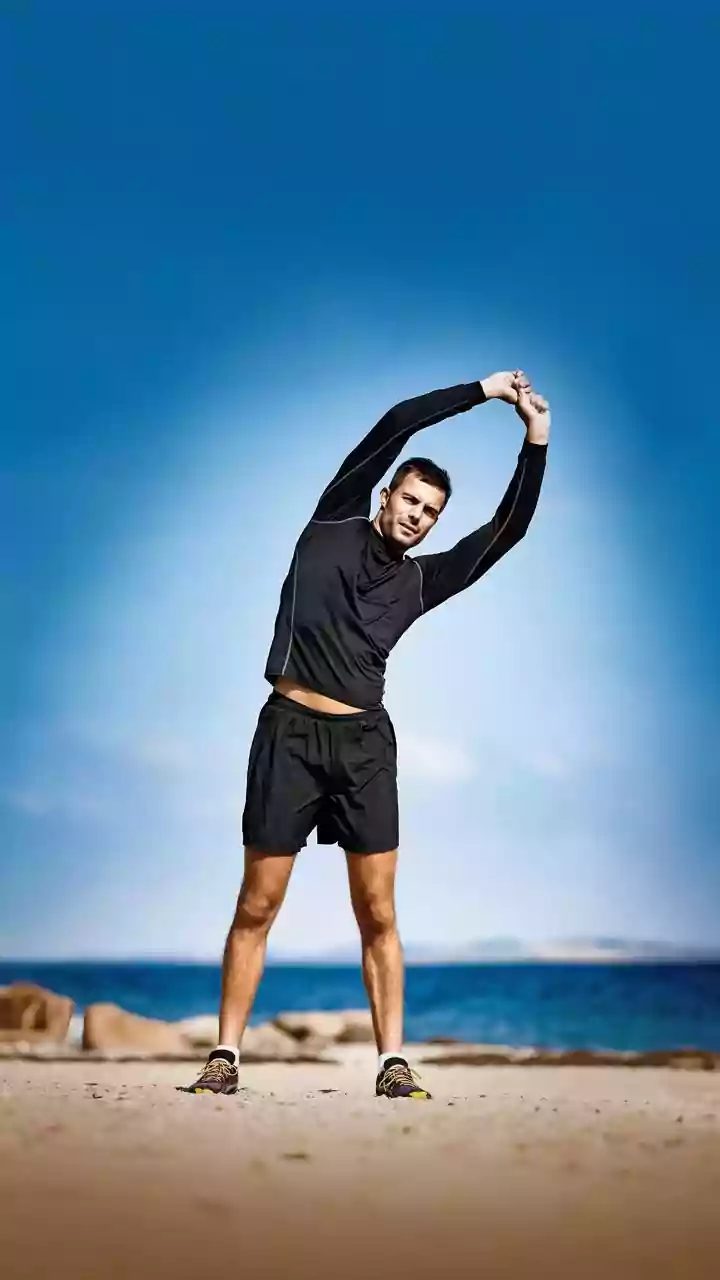
Mobility is just as important as strength. If you're feeling stiff, dedicate your five minutes to stretching. Start with neck rolls, gently tilting your head from side to side to release tension. Follow with shoulder circles, rolling them forwards and backwards to open up the chest. Then, perform a seated spinal twist by rotating your torso to look over one shoulder, holding for a few breaths before switching sides. Finish with a figure-four stretch: while seated, place one ankle on the opposite knee and gently press down to feel a stretch in your hip and glutes. This sequence specifically targets the neck, shoulders, and hips—the areas most affected by desk work.