


The Lush Carpets of Himachal Pradesh
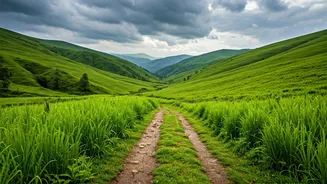
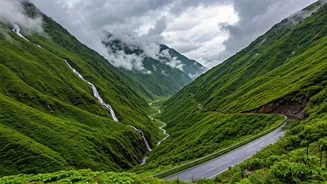
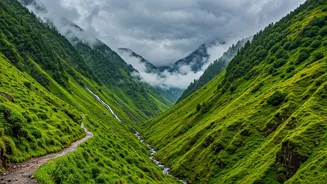
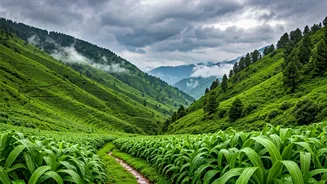
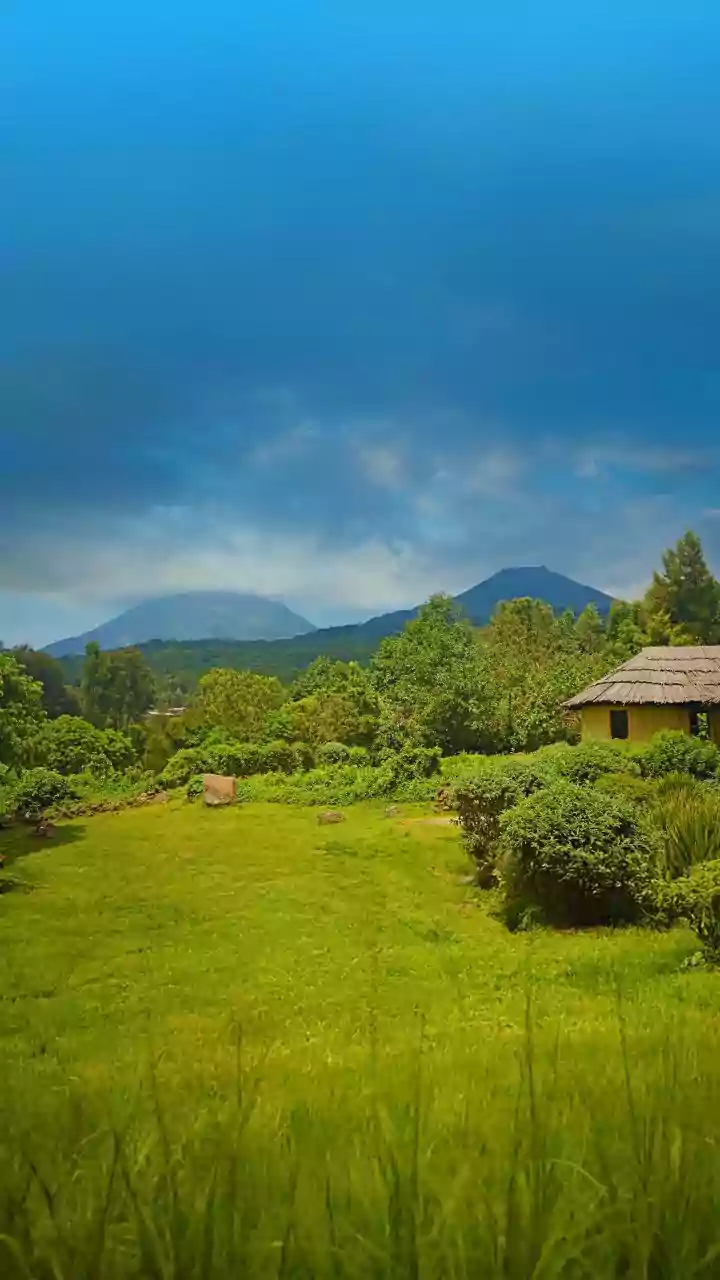
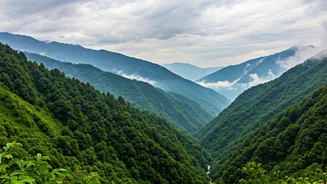
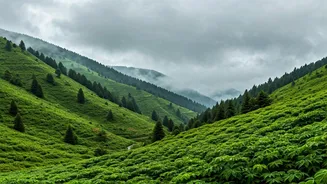
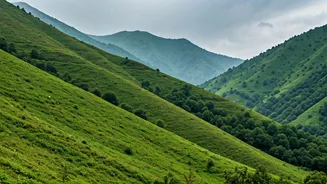
As the monsoon establishes itself, states like Himachal Pradesh witness a breathtaking transformation. Valleys that were dusty and muted are now cloaked in countless shades of green. Destinations like Manali, Shimla, and the quieter Chail become enveloped
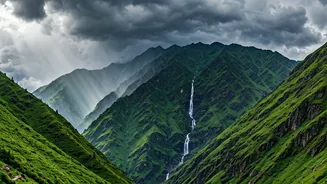
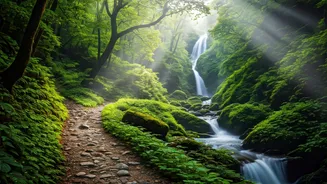
in low-hanging clouds, creating a mystical, romantic atmosphere. [13] The forests of deodar, pine, and oak appear freshly washed, and the sound of raindrops on tin roofs becomes the season's soundtrack. [4] While the monsoon's progress across North India has been gradual, scattered rainfall has already begun this transformation in the hill states. [14] The landscape is now a canvas of vibrant meadows and gushing waterfalls, like the Jogni and Rahala falls in the Manali region, which swell with renewed life. [12]
Uttarakhand's Waterfalls and Valleys Reborn
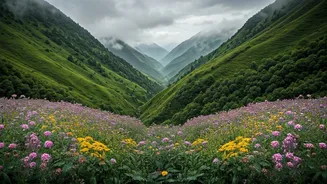
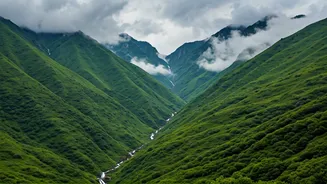
Uttarakhand, the 'Land of Gods', becomes particularly divine during the monsoon. The season breathes life into its myriad streams and waterfalls, turning places like Mussoorie and Kausani into verdant paradises. [6, 7] The hillsides are covered in a fresh coat of emerald, and the mist rolling through the valleys offers a serene and tranquil experience away from the crowded cities. [7] The famed Valley of Flowers National Park, a UNESCO World Heritage Site, begins its most spectacular bloom from July to September, making the monsoon the prime time to visit for nature lovers. [5, 7] Though the monsoon's arrival was anticipated around June 22, pre-monsoon showers and western disturbances have already initiated the greening process across the state. [21, 22]
The Dramatic Skies of the Himalayan Foothills
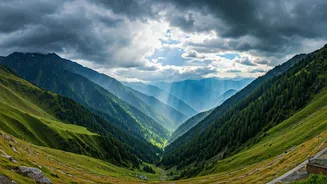
The monsoon makeover isn't just about the colour green; it's also about the dramatic theatre of the sky. The season is a continuous play of light and shadow, with dark, pregnant clouds rolling in, followed by brilliant sunshine that makes the wet landscape glitter. This transformation is especially beautiful in lesser-known hamlets like Manila in the Almora district, where you can watch rain curtain the valleys from a quiet homestay. [6] The monsoon clouds, heavy with moisture from the Arabian Sea, create these spectacular cloudbursts and downpours that, while posing risks, are the very source of this seasonal renewal. [19, 26]
Misty Mornings and Quiet Moments
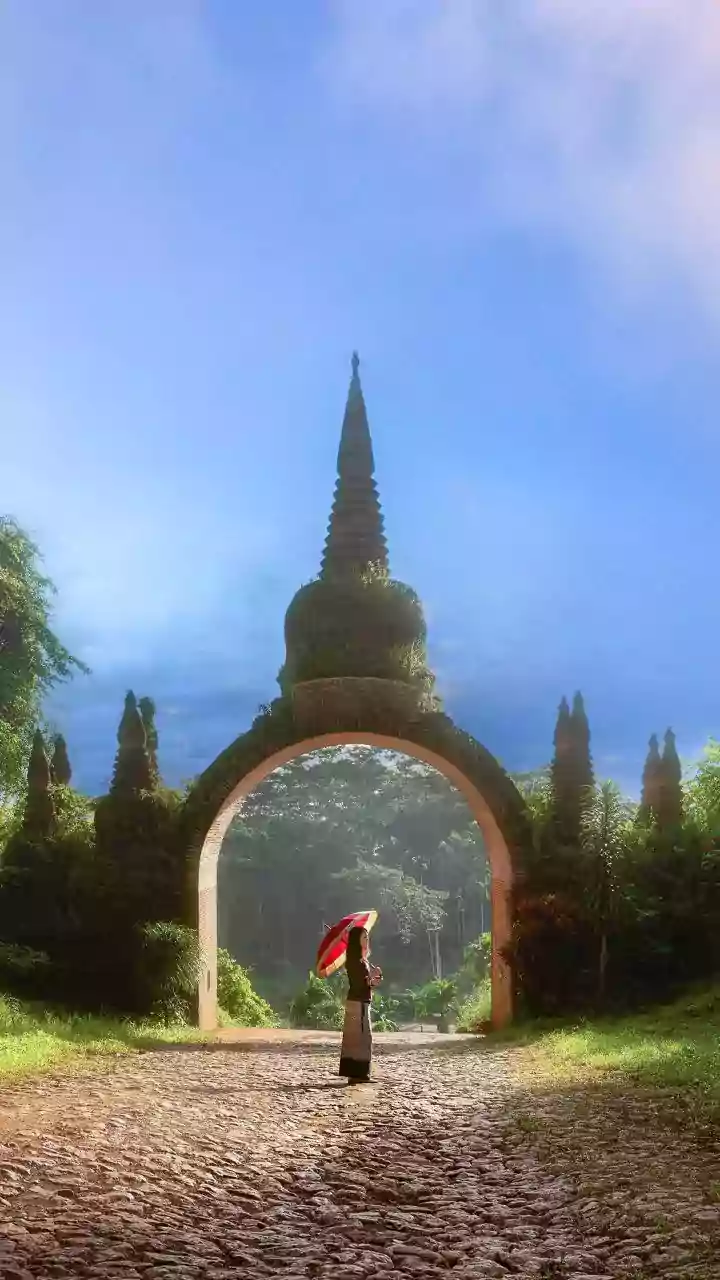
The monsoon encourages a slower, more reflective pace of travel. It's the perfect time to find a cosy corner in a cafe in Kasauli or Dalhousie and watch the world turn into a watercolour painting. [4] The air is crisp, the temperatures are pleasant, and the usual tourist hustle thins out, offering a more intimate experience of the hills. [4] It’s a season for enjoying simple pleasures: a hot cup of chai while overlooking a misty valley, a quiet walk on a rain-washed path, or simply listening to the symphony of nature. This is when destinations feel new again, revealing a softer, more reflective side that summer visitors often miss. [7]
A Word of Caution: Travel Smartly and Safely
While the beauty of the monsoon is undeniable, it's also a time for caution. The rains that bring the hills to life can also trigger landslides and create slippery, dangerous road conditions. [8, 19] It is crucial for anyone planning a trip to stay updated with weather forecasts from reliable sources like the IMD. [13] Packing is key: a good raincoat is more effective than an umbrella against hillside winds, and waterproof, non-slip footwear is essential. [8, 15] Always have a buffer day in your travel plans for unexpected roadblocks and avoid driving at night during heavy rain. [8, 13] Checking with locals about road conditions before heading to remote areas is a wise practice. [13] By taking these precautions, you can safely enjoy one of the most magical times of the year in the northern hills.