





The Poster Child: Skyroot's Vikram-1
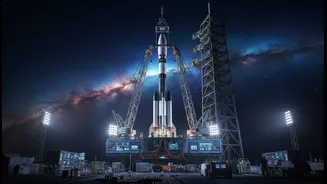
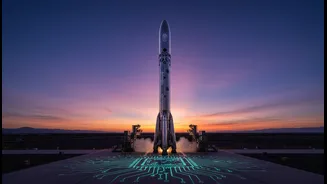
At the heart of this excitement is Skyroot Aerospace and its ambitious Vikram-1 rocket. On July 18, the Hyderabad-based startup is set to launch India's first-ever privately developed orbital rocket from the Satish Dhawan Space Centre in Sriharikota.
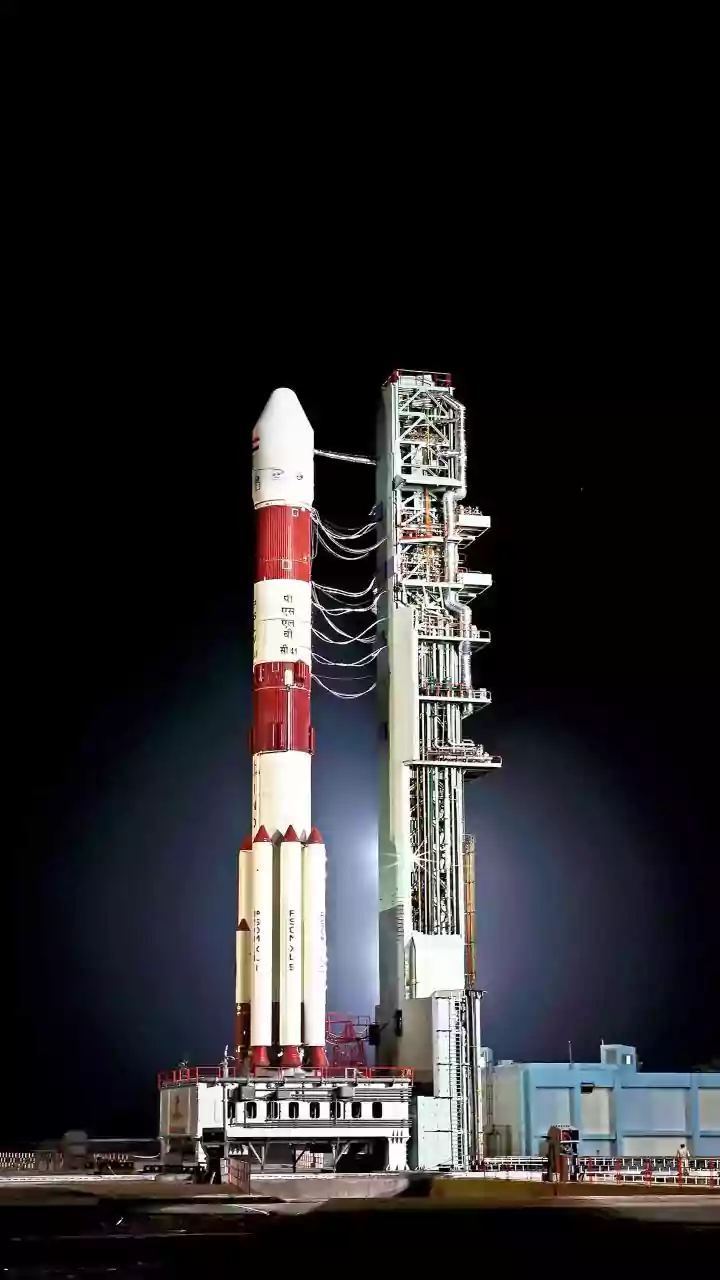
This mission, named 'Aagaman' (arrival), is a landmark moment. Unlike a sub-orbital flight, which just touches space and returns, Vikram-1 is designed to achieve orbit and deploy satellites. It's a seven-storey, multi-stage vehicle built with a lightweight all-carbon-composite structure and 3D-printed engines. The goal is to place several small satellites into a low Earth orbit about 450 kilometres high. A successful launch would not only be a historic first for a private Indian company but would also validate the country's burgeoning private space ecosystem. It's the culmination of years of work, building on the success of their 2022 sub-orbital test flight, Vikram-S.
More Than Just a Job
For decades, the dream for a top Indian engineering graduate was a high-paying job at a multinational tech giant or the prestige of a scientist role at the Indian Space Research Organisation (ISRO). That is now changing. The new generation of tech talent is increasingly drawn to the mission-driven culture of space startups. These companies offer something beyond a competitive salary: a sense of purpose. Young engineers get the chance to work on cutting-edge hardware, from cryogenic engines to complex avionics, and see their contributions lead directly to a rocket launch. The appeal lies in building tangible, historic technology from the ground up. In a startup environment, roles are less siloed, granting engineers greater ownership and faster learning curves compared to the more structured, and sometimes bureaucratic, environments of large corporations or government agencies. This hands-on experience on complex, high-stakes projects is a powerful magnet for ambitious graduates.
A Launchpad for Private Ambition
This private-sector boom didn't happen in a vacuum. It’s the direct result of a major policy shift by the Indian government. In 2020, the space sector was opened up to private participation, leading to the creation of the Indian National Space Promotion and Authorisation Centre (IN-SPACe). IN-SPACe acts as a single-window agency to promote, regulate, and authorise the activities of private companies. It facilitates access to ISRO's world-class testing facilities, launchpads, and deep technical expertise, which would be prohibitively expensive for a startup to build alone. This support has de-risked the sector, encouraging venture capital investment and creating a vibrant ecosystem of over 400 registered space startups. The government's vision is clear: grow India’s share of the global space economy from about 2% to over 8% by 2033, and private enterprise is the chosen vehicle for this ascent.
A New Constellation of Employers
Skyroot is a prominent star, but it's part of a growing constellation. Companies like Chennai-based Agnikul Cosmos, which is developing its own 3D-printed rocket engines, satellite-makers Pixxel and Dhruva Space, and propulsion firm Bellatrix Aerospace are all hiring aggressively. These firms are creating a new, competitive job market. While ISRO remains a pillar of India's space program, its recruitment can be slower, and some scientists have reportedly left for opportunities in the private sector where compensation packages can include lucrative equity options. This creates a dynamic where talent can move between the public and private sectors, similar to the ecosystem in the US with NASA and companies like SpaceX. This 'brain gain' keeps India's top engineering minds within the country, working on strategic technologies rather than moving abroad for similar opportunities.
Building the Future, from India
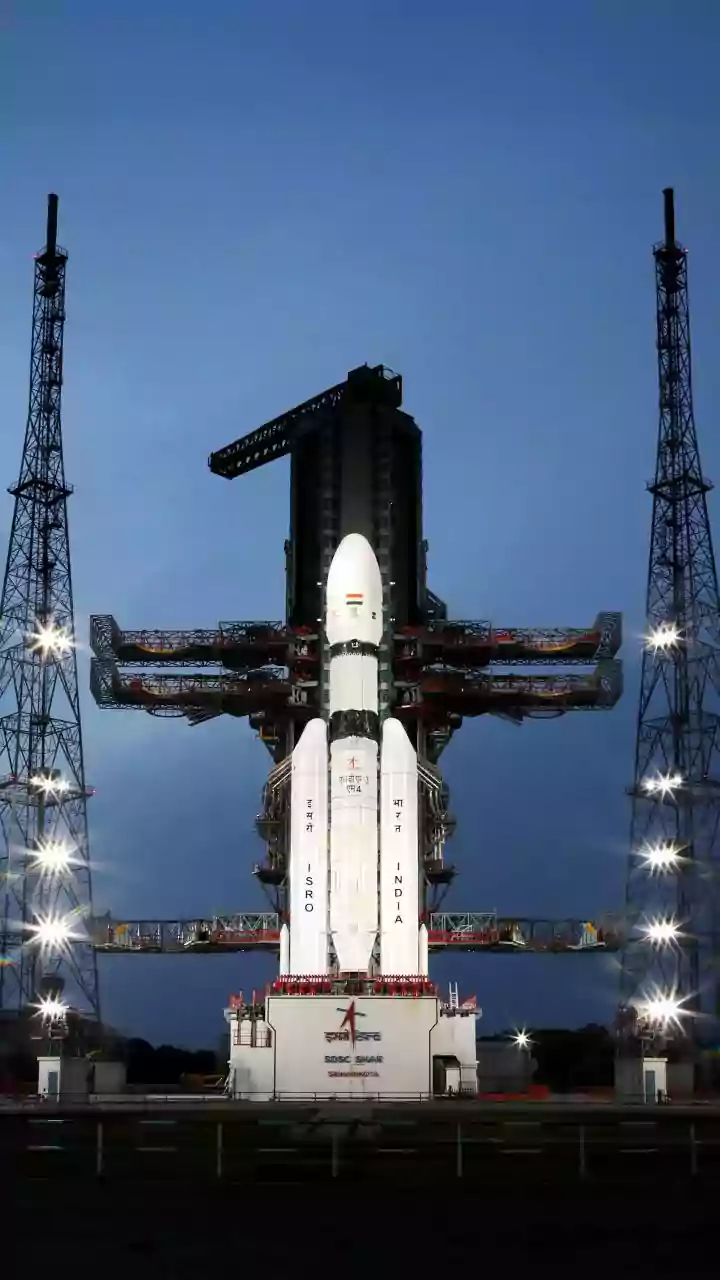
The rise of India's private space industry is more than a business story; it's a narrative about national ambition and a generational shift in career aspirations. The success of Chandrayaan-3 dramatically increased interest in space careers among students. Startups are now channelling that enthusiasm into a commercial engine for growth. They are not just building components; they are developing full-stack capabilities, from launch vehicles and satellites to data analytics and AI-powered services. While challenges remain, particularly in securing later-stage funding and filling mid-level experience gaps, the momentum is undeniable. The launch of Vikram-1 is a test flight not just for a rocket, but for an entire industry's potential.