





Great Makeup Starts With Great Skincare
The secret to a flawless base isn't in the foundation; it's in the canvas you create beforehand. Makeup will cling to and accentuate any dry, rough patches. To prevent this, your preparation should begin long before you pick up a makeup brush. Start by
gently exfoliating your skin once or twice a week to slough away dead skin cells that cause texture and flakiness. Follow this with a dedicated hydration routine. This doesn't just mean a single layer of moisturiser. Think in layers: a hydrating toner, followed by a serum containing ingredients like hyaluronic acid to draw moisture into the skin, and finally, a nourishing moisturiser to lock it all in. For festive occasions, it's best to complete your skincare prep at least 30-60 minutes before starting your makeup to allow every product to fully absorb.
Choose a Hydrating, Gripping Primer
A primer is often overlooked, but it is a non-negotiable step for long-lasting, smooth festive makeup. Its purpose is twofold: it creates a barrier that helps your makeup last longer, and it smooths the skin's surface. For dry or dehydrated skin, it provides an essential extra layer of moisture. Look for primers described as 'hydrating', 'dewy', or 'gripping'. Water-based formulas with ingredients like glycerin, hyaluronic acid, and squalane plump the skin from within, creating a naturally smooth and slightly tacky surface for your foundation to adhere to. Avoid primers that are heavy in alcohol, as these can strip the skin and worsen dryness.
Select the Right Foundation and Apply It Well
Not all foundations are created equal, especially when it comes to heavy wear. While full-coverage is often the goal for festive looks, a thick, heavy matte formula can be the main culprit behind a cakey appearance. Instead, opt for liquid or cream foundations with a satin or radiant finish. These formulas are more flexible and hydrating. You can always build coverage in thin layers only where you need it, rather than applying a thick mask all over. The application technique is just as important. For dry skin, using a damp makeup sponge is highly recommended. Gently press and bounce the foundation onto the skin; this method pushes the product into the skin for a seamless finish, whereas rubbing with a brush or fingers can cause friction and lift up flakes.
Be Strategic With Powder and Creams
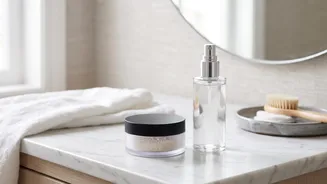
The trend of heavy 'baking' with loose powder can be a disaster for dry skin, as powder absorbs moisture and will instantly highlight any flakiness. This doesn't mean you have to skip powder entirely. The key is strategic application. Use a fluffy brush or a powder puff to lightly press a finely milled translucent powder only on areas that tend to get shiny, like the t-zone, around the nose, or under the eyes to prevent creasing. For the rest of your face, stick to cream products. Cream blush, bronzer, and highlighter will blend seamlessly into your base, adding to the radiance and preventing the layered, dry look that powders can create.
Lock It In and Refresh Throughout the Day
Once your makeup is complete, the final step is to lock it in. A hydrating setting spray is your best friend. These mists are designed to melt all the layers of makeup together, eliminate any powdery finish, and give your skin a final boost of hydration for a dewy, skin-like look. If you find your skin feeling tight or notice some flaking as the hours go by, you can easily refresh your look. Carry a travel-sized facial mist to spritz over your makeup. This will rehydrate the surface and bring your base back to life. For any specific patches of dryness that appear, you can gently tap a tiny amount of facial oil or moisturiser over the area with your ring finger to smooth it out without disturbing the makeup underneath.