







Our Digestive System Slows Down
One of the primary reasons simpler food is better during the rainy season comes from traditional Indian wisdom, particularly Ayurveda. According to Ayurvedic principles, the monsoon season, or 'Varsha Ritu', is a time when our digestive fire, known as 'Agni',
is naturally weaker. The increased humidity and dampness in the environment are believed to have a cooling effect on the body, making it harder for our systems to break down heavy, oily, or complex foods. A sluggish digestive system can lead to issues like bloating, acidity, and indigestion. Opting for light, warm, and easily digestible meals—like steamed vegetables, thin dals, or simple grain porridges—works in harmony with our body’s natural state, preventing discomfort and keeping our energy levels stable. It’s less about a strict rule and more about listening to the subtle cues your body is already sending.
The Psychology of Comfort
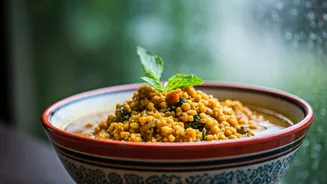
There's a powerful psychological component at play, too. Grey skies and incessant rain can have a noticeable effect on our mood, sometimes leading to feelings of lethargy or melancholy. In these moments, we instinctively seek comfort, and food is one of the most accessible sources. Simple, warm meals like a bowl of khichdi, a hearty soup, or even just plain dal and rice act as a sort of internal hug. These foods are often associated with childhood, safety, and care. The warmth counters the cold dampness outside, while the simple, familiar flavours require no mental effort to process and enjoy. They provide a sense of grounding and security when the world outside feels a bit gloomy and chaotic. It’s not just about nourishment; it’s about emotional regulation.
Practicality and Food Safety
Beyond physiology and psychology, there are purely practical reasons why simple food is a smarter choice. The monsoon season is notorious for increasing the risk of water-borne and food-borne illnesses. The high humidity creates a breeding ground for bacteria and fungi, making raw foods, pre-cut salads, and street food (especially from unhygienic vendors) riskier than usual. Leafy green vegetables can be harder to clean thoroughly and may harbour contaminants. Simple, home-cooked meals that are served hot significantly reduce this risk. Cooking kills most harmful pathogens. Furthermore, heavy rains can disrupt supply chains, making a wide variety of fresh produce less available or more expensive. Sticking to simple staples that are easy to store and cook, like lentils, rice, and common gourds, is a practical and economical approach to navigating the season.
What 'Simple' Looks Like
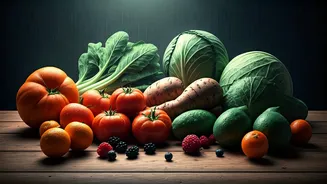
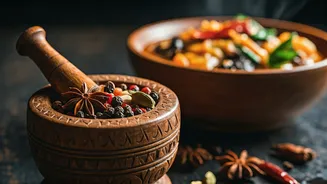
So, what does a 'simple' monsoon diet actually involve? It’s not about blandness, but about mindful choices. Think of warm, soupy preparations like moong dal khichdi, which is a complete meal in itself and incredibly gentle on the stomach. Vegetable stews and broths packed with seasonal produce like bottle gourd (lauki) or pumpkin are excellent choices. Instead of heavy curries laden with cream and oil, opt for lighter 'jhol' or 'rasam' style preparations. Steamed foods, like idli or dhokla, are also fantastic options as they are light and easy to digest. Spices play a key role, too. Incorporating digestive aids like ginger, turmeric, black pepper, and asafoetida (hing) can help stoke that weak digestive fire and add flavour without adding heaviness. It's a return to basics, where food is designed to heal and comfort rather than just to impress.