


What is Fluted Glass?
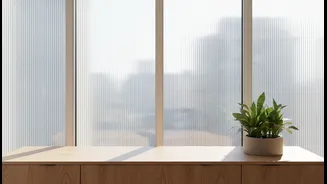
Also known as reeded or ribbed glass, fluted glass is a type of textured glass defined by its vertical grooves. These grooves are pressed into the surface during manufacturing, creating a decorative pattern that plays with light and perception. Unlike
flat, clear glass, this texture allows light to pass through while beautifully distorting the view, offering a perfect middle ground between transparency and complete opacity. Its history is rooted in the Art Deco and mid-century movements, but its clean lines have given it a timeless quality that fits perfectly into contemporary homes.
The Magic of Light and Privacy
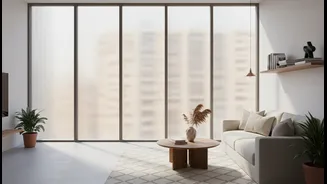
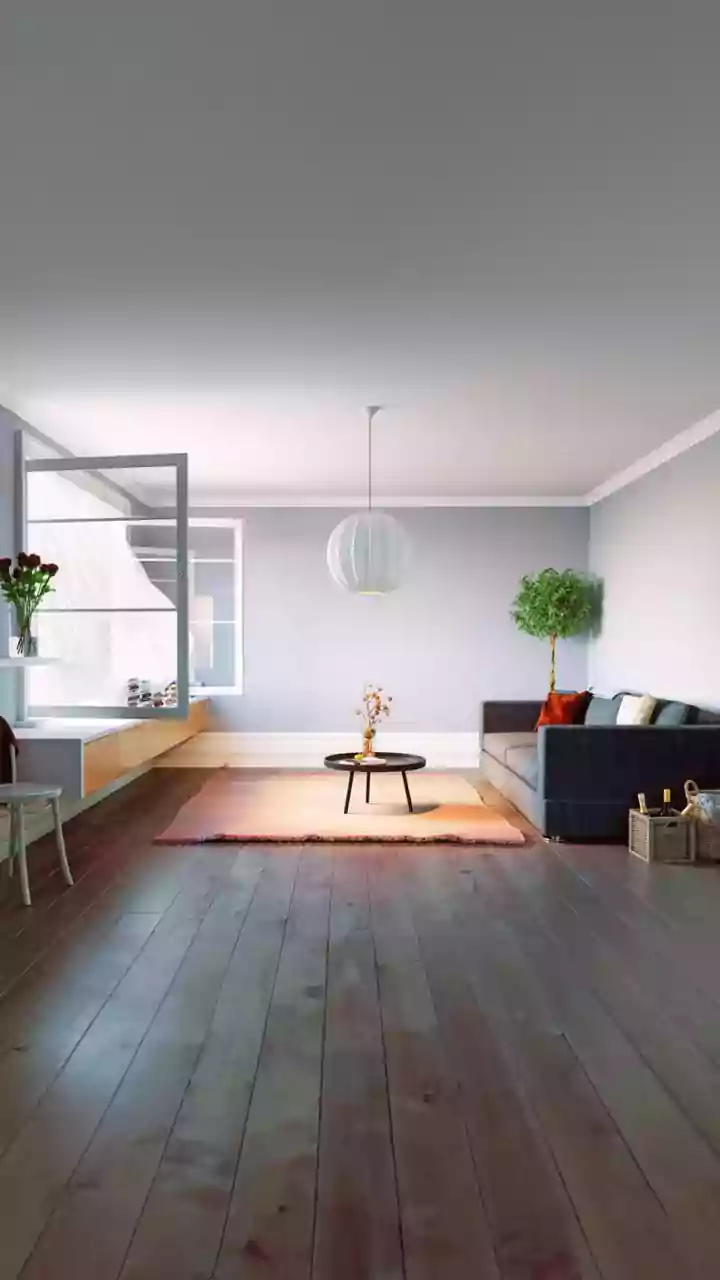
The primary superpower of fluted glass is its ability to diffuse light. As light passes through the ribbed surface, it scatters, reducing glare and creating a soft, ambient glow. This is a game-changer for compact homes that may lack multiple windows or feel compartmentalised. It allows natural light to flow from one area to another, making the entire home feel brighter and more connected. At the same time, it provides a functional level of privacy, obscuring the specific details of what lies behind it. This makes it ideal for bathrooms, home offices, and any area where you need separation without building a light-blocking wall.
Creating Zones, Not Rooms
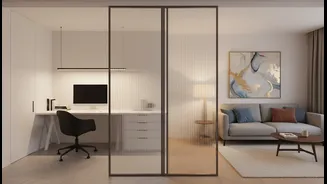
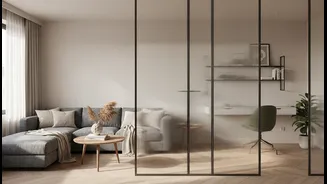
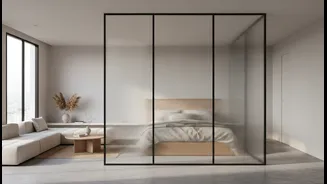
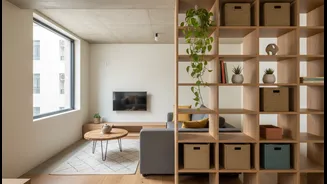
In modern open-plan apartments, creating distinct functional zones without resorting to solid walls is a common challenge. Fluted glass partitions are an increasingly popular solution. A sleek, metal-framed glass divider can separate a living area from a dining nook or carve out a small workspace, all while maintaining a sense of openness. Because the glass is translucent, it defines the space visually without halting the flow of light or movement, preventing the cramped feeling that solid partitions can create. The vertical lines of the fluting can also create an illusion of height, making low ceilings appear taller.
Versatile Applications in Your Home
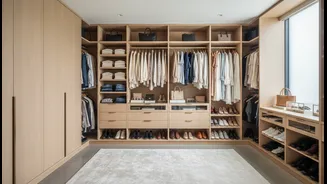
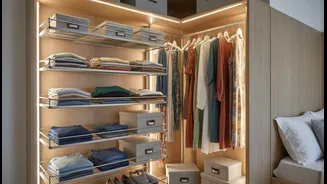
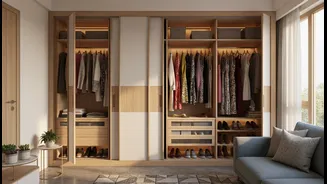
The use of fluted glass isn't limited to just large partitions. Its versatility shines in smaller applications too. In the kitchen, it can be used for upper cabinet doors, adding texture and hiding the visual clutter of dishes while keeping the space from feeling heavy. In the bedroom, wardrobe doors with fluted glass panels can make a large storage unit feel lighter and more integrated into the room. It’s also an excellent choice for bathroom shower screens, offering privacy and a touch of spa-like elegance. Even interior doors or small window inlays can benefit from this material, adding architectural interest throughout the home.
Aesthetic Appeal and Practical Points
Beyond its functional benefits, fluted glass adds a layer of texture and sophistication that few other materials can. It introduces a dynamic element that interacts with light, creating subtle patterns that change throughout the day. However, there are a few practical aspects to consider. The grooved surface can require more detailed cleaning than flat glass, as dust and water spots can settle in the ridges. It can also be more expensive than standard clear or frosted glass due to the manufacturing process. Despite this, for many homeowners, the unique blend of style, light, and privacy it offers is a worthwhile investment for elevating a small space.