


Catching a Faint Shadow
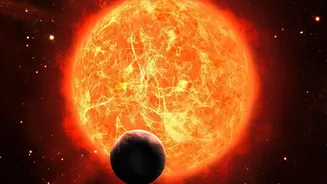
To study a planet hundreds of light-years away, astronomers often use the transit method. When an exoplanet passes in front of its host star from our perspective, it causes a tiny, almost imperceptible dip in the star's brightness. While we can't see
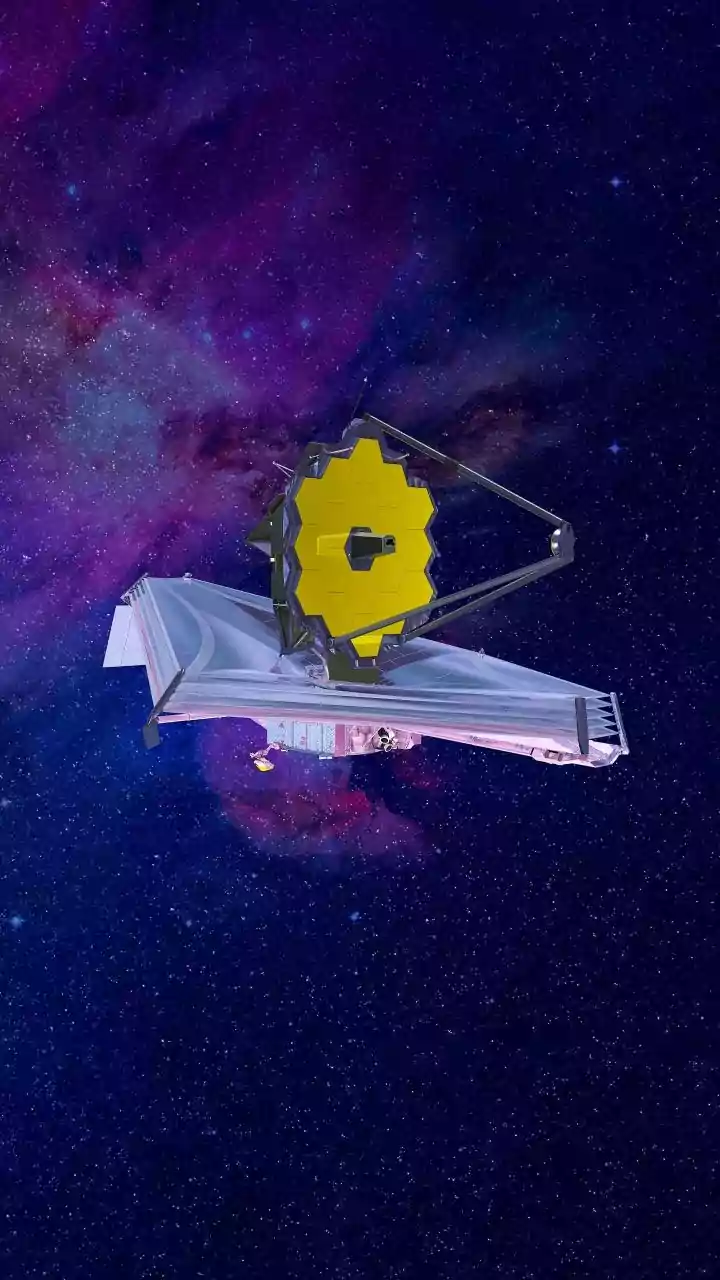
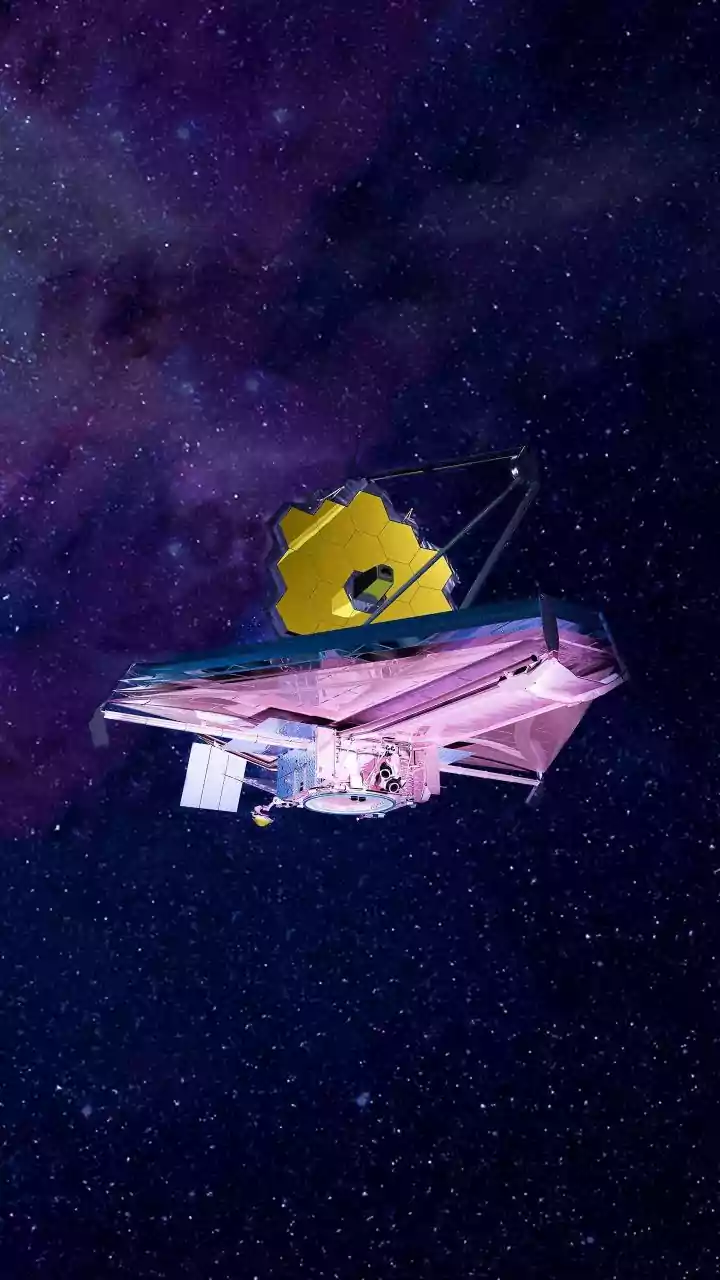
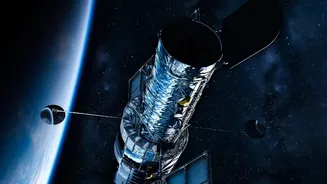
the planet directly, we can see its shadow. For scientists, the real magic happens in the sliver of starlight that filters through the planet's atmosphere during this transit. Telescopes like the James Webb Space Telescope (JWST) are sensitive enough to capture this filtered light and analyze it, a technique known as transmission spectroscopy.
Decoding the Barcode of Light
The starlight that passes through an exoplanet's atmosphere carries a hidden message. As the light travels through the gases surrounding the planet, different molecules absorb specific wavelengths, or colors, of light. This creates a unique pattern of dark lines in the star's spectrum, much like a barcode. By analyzing which wavelengths are missing, scientists can determine the chemical composition of the atmosphere. The JWST's powerful instruments, like its infrared spectrographs, are specifically designed to read these spectral 'barcodes' and identify the signatures of molecules like water vapor, carbon dioxide, and, crucially, methane.
Why Methane Is a Big Deal
Methane (CH4) has long been considered a potential biosignature—a substance that provides evidence of life. On Earth, the vast majority of methane is produced by living organisms, from microbes in wetlands to cows. While methane can also be produced by non-biological processes like volcanic activity, it is chemically unstable in an atmosphere. It's quickly broken down by photochemical reactions fueled by starlight. This means that to maintain a high level of methane in a planet's atmosphere, something must be constantly replenishing it. A large, steady source is required to explain its abundance.
The Disequilibrium Puzzle
This brings scientists to the concept of chemical equilibrium. An atmosphere in equilibrium is stable; the gases within it are in a chemically balanced state and are not expected to change much. However, the presence of large amounts of methane, especially alongside other gases like carbon dioxide, can create a state of chemical disequilibrium. Methane and carbon dioxide are not chemically stable together over long periods, suggesting an active process is producing one or both gases. While geological processes can contribute, a large and persistent disequilibrium could point toward a biological source constantly pumping methane into the atmosphere, similar to how life sustains Earth's atmospheric balance.
Context is Everything
Detecting methane alone isn't proof of life. The context of the entire planetary system is critical. Astronomers assess many factors to rule out non-biological sources. They look at what other gases are present. For example, finding abundant methane and carbon dioxide with very little carbon monoxide makes a biological source more plausible. Scientists also consider the type of planet and its star. A rocky planet in the habitable zone orbiting a stable star is a more compelling candidate. This holistic approach helps build a stronger case, moving a methane detection from an interesting anomaly to a persuasive biosignature candidate. Ultimately, it's about piecing together multiple clues to see if they tell a consistent story of a living world.