


Onam Sadhya Goes Gourmet
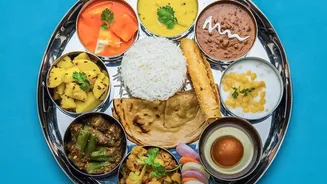
Take Onam, Kerala's grand harvest festival, which culminates in the elaborate vegetarian feast known as the sadhya. Traditionally a meal prepared at home with over two dozen dishes served on a banana leaf, the sadhya has become a major event for the restaurant
industry. Across cities like Mumbai, Bengaluru, Delhi, and Chennai, restaurants are offering lavish sadhya spreads. Establishments ranging from specialty South Indian restaurants like South of Vindhyas in Mumbai and Dakshin at ITC Windsor, Bengaluru to five-star hotels roll out extensive menus featuring everything from avial and olan to multiple varieties of payasam. These dining experiences are not just about convenience; they are elaborate celebrations, often featuring traditional decor and live music to complete the festive atmosphere. Some eateries even offer non-vegetarian additions like chicken and seafood, catering to diverse palates.
A Pan-Festival Phenomenon
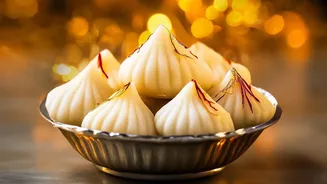
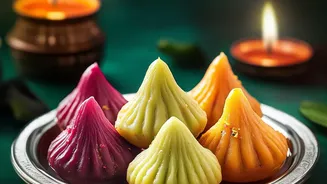
This trend extends far beyond Onam. During Diwali, restaurants curate special menus that range from traditional thalis to innovative fusion dishes like truffle mithai and paneer lasagna. Similarly, Eid celebrations have inspired chefs to offer everything from grand 'Dawaat-E-Eid' spreads and Haleem pop-ups to gourmet takeaways featuring biryanis and kebabs. Festivals like Poila Boishakh, Baisakhi, and Vishu also see restaurants hosting special pop-ups and food festivals that celebrate regional Bengali, Punjabi, and Kerala cuisines, respectively. Even national holidays like Independence Day are marked with culinary journeys, with menus designed to represent India's diverse regional flavours, from Kashmiri Wazwan to Chettinad chicken.
Why Dining Out is the New Cooking In
Several factors are driving this shift. Urbanisation and the rise of nuclear families mean many households lack the time or manpower for the laborious preparations that festival cooking demands. For a generation living away from home, these restaurant offerings provide a nostalgic taste of home without the effort. Moreover, dining out has become an experience in itself. Restaurants create a festive ambience that is difficult to replicate at home, turning a meal into a memorable celebration. Social media also plays a role, with visually appealing, shareable dining experiences becoming increasingly aspirational. This allows restaurants to not only preserve culinary traditions but also to attract a new generation of diners eager to celebrate in style.
The Rise of the Home Chef
Parallel to the restaurant boom is the emergence of home chefs as key players in the festive food scene. Enabled by social media and delivery platforms, these culinary entrepreneurs offer authentic, regional, and personalized festival meals. During Onam, many home chefs prepare and deliver sadhya boxes, allowing families to enjoy a traditional feast in the comfort of their homes. This movement bridges the gap between a purely commercial restaurant meal and a home-cooked one, offering authenticity and convenience. It’s a trend that gained significant momentum post-pandemic, driven by a growing demand for food that feels both trustworthy and familiar.
Preserving Heritage on a Plate
For chefs and restaurateurs, festivals are a golden opportunity to act as cultural custodians. They see it as a responsibility to preserve and showcase India's rich culinary heritage, which is at risk of fading with modern lifestyles. By curating special menus, they revive forgotten recipes and reintroduce regional specialties to a wider audience. This is not just about replicating old dishes but often involves innovating with modern techniques while staying true to the original flavours. These food festivals serve as a vital tool for keeping local culinary knowledge alive, turning a meal into a delicious history lesson.