


The New Definition of a Quick Meal
Not long ago, a ‘quick meal’ meant whipping up dal and rice. Today, it could mean ordering from a restaurant, using a ready-to-cook (RTC) kit for biryani, or simply using pre-made ginger-garlic paste. This is the new convenience, driven by urbanisation,
busier lifestyles, and rising disposable incomes. The Indian ready-to-eat (RTE) and RTC markets are booming, with projections showing significant growth. Reports estimate the RTE market, valued in the hundreds of millions of dollars, will see double-digit annual growth, potentially reaching over USD 3 billion by the early 2030s. This surge is powered by working professionals, students, and nuclear families who have less time for the laborious aspects of traditional cooking. Food delivery apps have also fundamentally altered eating patterns, making convenience the default expectation.
A Helping Hand, Not a Replacement
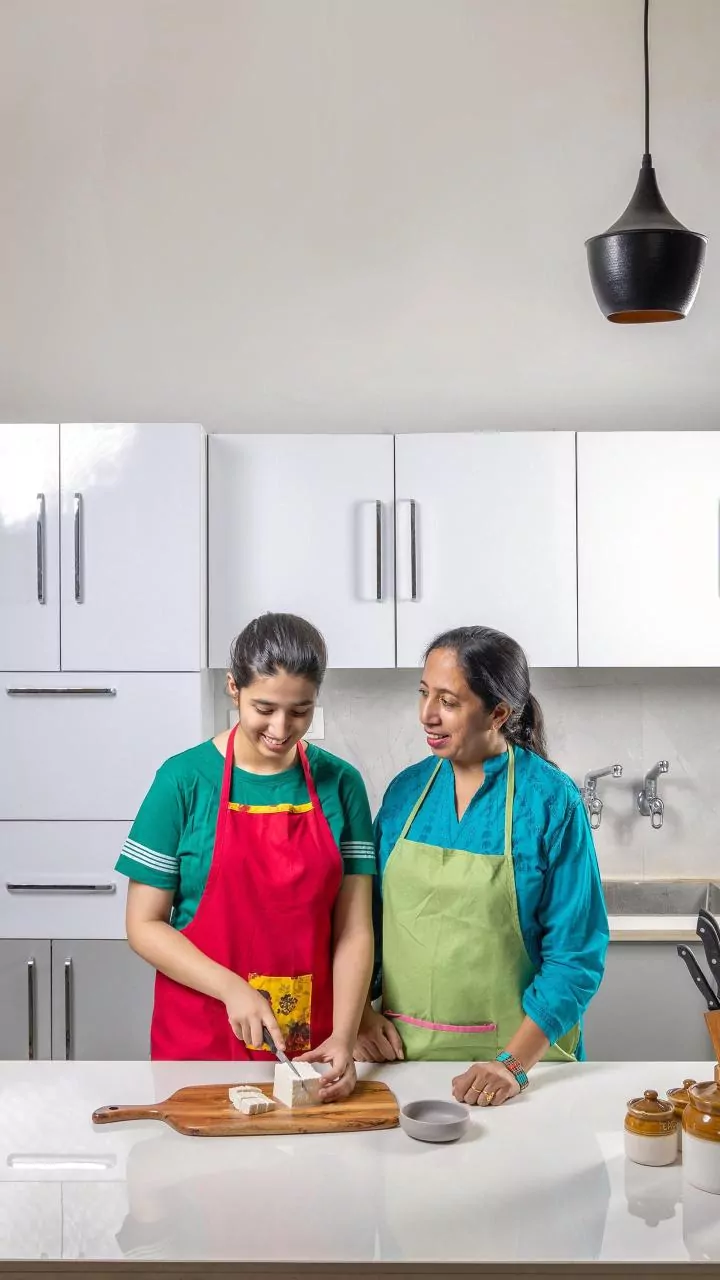
Despite the explosive growth of these convenient options, they aren't replacing traditional cooking. Instead, they are augmenting it. The core insight driving this trend is that consumers want to save time on preparation, not on the authentic cooking process itself. They are outsourcing the peeling, chopping, and grinding to focus on the final act of creating a meal that tastes like home. A busy professional might use a store-bought tomato puree as the base for their mother's paneer butter masala recipe. A student living alone might use an RTC kit that provides the complex spice mix for a regional curry, but still cooks the fresh vegetables and protein themselves. This hybrid approach preserves the emotional and cultural connection to home cooking while acknowledging the time constraints of modern life.
The Millennial and Gen Z Effect
Younger generations are at the heart of this culinary evolution. Having grown up with digital technology and global exposure, Millennials and Gen Z approach food with a different mindset. They value authenticity and are keen to explore regional Indian cuisines, but they also find traditional cooking methods cumbersome. For them, cooking is often seen less as a daily chore and more as a relaxing ritual or a creative passion. They turn to social media for viral recipes, blend global trends with local ingredients, and happily use gadgets like air fryers to create healthier versions of classic dishes. This demographic doesn't see a conflict between ordering a pizza one night and spending Sunday afternoon perfecting a traditional dish they learned from a YouTube tutorial. It's all part of a fluid, personalised food culture.
How Brands Are Adapting
Food companies have taken notice. The most successful products are not those that try to completely replace a home-cooked meal, but those that offer a 'smart shortcut'. Brands are offering everything from high-quality frozen parathas and pre-marinated kebabs to single-serving packs of traditional sweets. The focus is shifting towards cleaner labels, healthier options, and even vegan or protein-rich versions of ready-made meals to cater to a more health-conscious consumer. Companies are also expanding their portfolios to include niche regional specialties in RTE formats, recognising that the modern Indian consumer has a diverse palate and a craving for authentic local flavours, even if they don't have the time to make them from scratch. This strategy acknowledges that the goal is not to change what people want to eat, but to make it easier for them to eat it.