

The Old Calcium Story
For decades, ensuring strong bones seemed to come with a straightforward prescription. We were told to rely heavily on dairy products. For those who couldn't or wouldn't consume enough dairy, large-dose calcium supplements were presented as the default,
easy-fix solution. This 'more is better' approach was built on the simple logic that since bones are made of calcium, consuming more of it in any form must be beneficial. The supplement market boomed, with many people adding a daily calcium pill to their routine without a second thought, believing it was a guaranteed insurance policy against bone issues later in life.
Why the Scientific Rethink?
Recent research has added significant nuance to this picture, prompting a shift toward a 'food first' strategy. One major reason is the body's efficiency. Calcium from food is absorbed more gradually, which the body handles well. In contrast, a large, concentrated dose from a supplement can sometimes be too much at once. Some studies have raised concerns that very high intake from supplements, but not from food, could be associated with an increased risk of kidney stones. Furthermore, scientists have found that nutrients from whole foods rarely work in isolation. When you get calcium from a food source, it often comes packaged with other essential nutrients like magnesium, phosphorus, and vitamin K, all of which work together to support bone health and are utilized more effectively by the body. Evidence also suggests that for the general healthy population, high-dose supplements may not offer the significant fracture-prevention benefits they were once thought to.
How Much Calcium Do You Need?
While individual needs can vary, general guidelines provide a useful benchmark. Most international health bodies recommend about 1,000 mg of calcium per day for adults aged 19-50. This recommendation often increases to 1,200 mg for women over 50 and men over 70, as the body's ability to absorb calcium can decline with age. It's important to remember that these targets include calcium from all sources—both food and, if necessary, supplements. In India, the average calcium intake is often lower than in Western countries, and the recommended dietary allowance (RDA) is set by bodies like the ICMR, which is around 600-800 mg for adults. The key is understanding your dietary habits to see how close you get to these targets through food alone before considering any additions.
Stocking Your Calcium-Rich Pantry
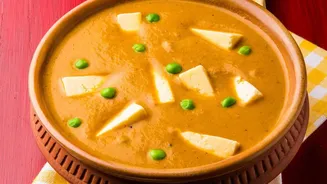
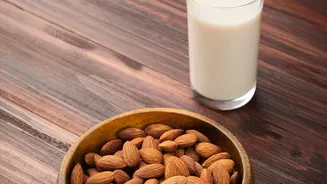
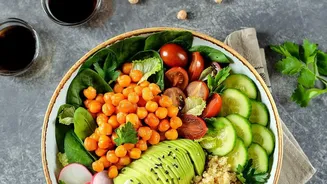
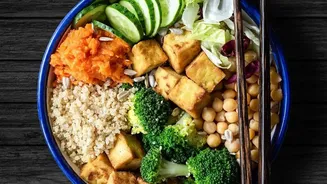
Meeting your calcium needs through your diet is more achievable and varied than you might think. While dairy products like milk, yogurt, and cheese are excellent and well-known sources, the options go far beyond them. Many plant-based foods are packed with calcium. Dark leafy greens like kale, collard greens, and bok choy are great choices. Canned fish with soft, edible bones, such as sardines and salmon, offer a significant calcium boost. Legumes, particularly white beans, soybeans (edamame), and tofu made with calcium sulfate, are also powerhouses. Don't forget nuts and seeds; almonds and chia seeds are particularly rich in the mineral. Many common foods, including certain breakfast cereals, soy milk, and orange juice, are now fortified with calcium, making it even easier to reach your daily goal.
Do Supplements Still Have a Place?
Yes, but their role is now seen as more targeted and supportive rather than primary. For individuals with diagnosed osteoporosis, specific digestive or absorption disorders, or those on very restrictive diets (like a strict vegan diet with no fortified foods), supplements can be essential for filling a nutritional gap that food alone cannot bridge. The modern approach is to use supplements to top up, not to replace. For instance, if your diet provides 700 mg of calcium, a smaller 300-400 mg supplement might be all you need to reach your daily target. The era of automatically taking a 1,000 mg pill 'just in case' is being replaced by a more personalized and food-centric strategy, which should always be discussed with a doctor or registered dietitian.