



The Essential Tool for Accuracy
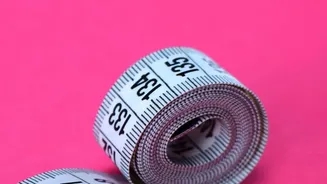
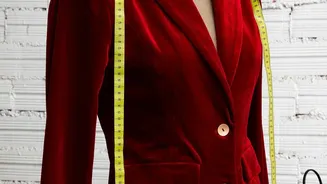
When it comes to measuring your body for clothing, not just any tape measure will do. A flexible tailor's tape, typically made from fiberglass or vinyl-coated cloth, is non-negotiable. Unlike a rigid steel tape measure used in construction, a flexible tape is designed
to conform to the natural curves of the human body. Using a stiff metal tape will result in inaccurate numbers because it cannot wrap snugly around areas like your bust, waist, or hips. Fiberglass is often recommended as it is durable and less likely to stretch or warp over time, ensuring your measurements remain consistent. This single tool is the foundation for a wardrobe that fits you perfectly.
Before You Begin: Pro Tips
For the most accurate results, a little preparation goes a long way. First, wear minimal, form-fitting clothing, such as undergarments. Measuring over bulky clothes like sweaters or jeans can add extra inches and distort the final numbers. Stand in a relaxed, natural posture; don't suck in your stomach or push out your chest. It's also helpful to stand in front of a full-length mirror. This allows you to ensure the tape measure is level and parallel to the floor, especially for circumference measurements. If possible, ask a friend to help, but with a mirror, you can easily do it yourself. Always measure twice to confirm your numbers.
How to Measure Your Bust
To measure your bust, stand up straight with your arms relaxed at your sides. Wrap the flexible tape around the fullest part of your chest. The tape should be level all the way around your back and snug against your body, but not so tight that it compresses your chest. Ensure the tape isn't twisted and that it runs parallel to the floor across your back. Read the measurement where the end of the tape meets the remaining length.
Finding and Measuring Your Waist
Your natural waist is the narrowest part of your torso, typically located above your belly button and below your rib cage. To find it easily, you can bend to one side; the crease that forms is your natural waistline. Wrap the tape measure around this point, keeping it level with the floor. Breathe normally and don't hold your breath or pull your stomach in. The tape should be comfortably snug without digging into your skin. This measurement is crucial for finding well-fitting trousers, skirts, and dresses.
How to Measure Your Hips
For your hip measurement, stand with your feet together. You'll want to measure the fullest part of your hips and bottom. This is usually about 7-9 inches below your natural waistline, but it can vary from person to person. Wrap the tape measure around this widest point, making sure it remains parallel to the floor all the way around. Just like with the bust and waist, the tape should be snug but not constricting. This measurement ensures that trousers and fitted skirts will fit comfortably without pulling.
Nailing the Inseam Measurement
The inseam determines the length of your trousers from the crotch to the hem. This one is trickiest to do yourself, but it's possible. The most accurate way is to take a pair of trousers that already fit you perfectly in length. Lay them flat on the floor and measure from the crotch seam down the inside of the leg to the bottom of the hem. Alternatively, you can stand straight and have a friend measure from your inner groin down to the bottom of your ankle. Using a crotch piece, a small card that can be held in place, can help with accuracy if you are doing it alone.