





The Everyday Hero: Apples
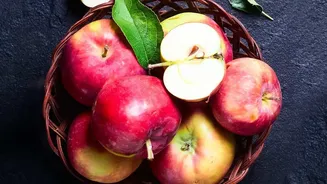
The phrase 'an apple a day' holds significant weight for good reason. Particularly crisp and flavourful during Indian winters, apples are a simple and powerful addition to your daily routine. Harvested in regions like Himachal Pradesh and Jammu & Kashmir,
they are nutritional powerhouses packed into a convenient snack. Apples are exceptionally high in dietary fibre, particularly a soluble fibre called pectin. This helps in managing weight by promoting a feeling of fullness, aids digestion by supporting healthy gut bacteria, and can help regulate blood sugar levels. Rich in antioxidants and essential vitamins, regular consumption is linked to better heart health by helping to lower bad cholesterol levels. For a simple snack, nothing beats a whole, unpeeled apple, as the skin contains much of the fibre and antioxidant content. Sliced with a bit of nut butter, they provide a balanced mix of carbs, protein, and healthy fats for sustained energy.
The Immunity Boosters: Oranges and Amla
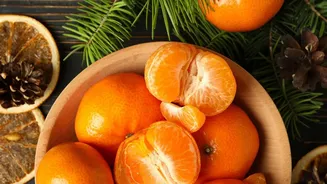
Winter is synonymous with citrus fruits, and for good reason. Oranges, known as 'Santra', and the Indian gooseberry, or 'Amla', are at their peak during these months. Both are famed for their incredibly high Vitamin C content, a critical nutrient for bolstering the immune system and fending off seasonal colds and coughs. In fact, just 100 grams of amla is said to contain the vitamin C equivalent of 20 oranges. Beyond immunity, the antioxidants in these fruits help promote healthy, glowing skin, which can often feel dull during the dry winter. A glass of fresh orange juice provides instant energy, while amla can be eaten raw, pickled, or made into a juice or 'murabba' (sweet preserve) to make its sour taste more palatable.
The Ruby Red Jewel: Pomegranate
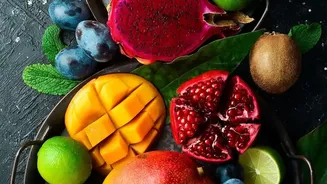
Pomegranates, or 'Anar', are another winter treasure, celebrated for both their taste and potent health benefits. These jewel-like seeds, called arils, are packed with powerful antioxidants that help fight inflammation and protect the body's cells from damage. Studies suggest that pomegranates are particularly beneficial for heart health, as they may help improve blood pressure and reduce the oxidation of LDL (bad) cholesterol. The fruit is also a good source of fibre, which supports a healthy digestive system. While de-seeding can seem like a chore, the reward is worth it. Sprinkle the arils over salads, yogurt, or oatmeal for a burst of colour and a tart-sweet flavour, or simply enjoy a bowlful on their own.
The Surprise Superstar: Guava
Often overlooked, the humble guava ('Amrud') is one of winter's most nutritionally dense fruits. It is a powerhouse of Vitamin C, containing even more of the nutrient than oranges, making it another excellent choice for boosting immunity. Guavas are also exceptionally rich in dietary fibre, which aids in digestion and helps maintain stable blood sugar levels. Available across the country, this affordable fruit can be enjoyed in many ways. While many love it sliced and sprinkled with a mix of salt and chilli powder, its unique flavour also works well in juices and salads. Its crisp texture and sweet-tart taste make it a refreshing and satisfying snack any time of day.
Making Winter Fruits a Daily Habit
Incorporating this seasonal bounty into your diet doesn't have to be complicated. The key is to make these fruits visible and accessible. Keep a fruit bowl on your counter to encourage grabbing a healthy snack. Start your day by adding chopped apples, pomegranate seeds, or sliced bananas to your porridge or yogurt. For a quick and nutritious breakfast or post-workout drink, blend fruits like strawberries, papaya, or chikoo into a smoothie. A winter fruit salad, combining pears, oranges, and pomegranates, can be a refreshing dessert. Even warming preparations work well; try baking apples with a sprinkle of cinnamon for a comforting, healthy treat. By embracing the variety of fruits available, you can easily nourish your body through the colder months.