





The Allure of the Bulk Buy
There's a certain satisfaction that comes with grabbing a bulk-sized product. It feels like a savvy move, a victory against weekly shopping trips and rising prices. Psychologically, buying in large quantities taps into our desire for security and control;
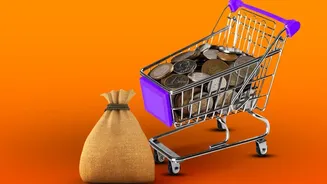
we feel prepared and resourceful. Retailers understand this appeal, placing large, brightly-coloured packs in prominent positions to catch our eye. The unit price is almost always lower, making the decision feel like a no-brainer. We imagine all the meals we’ll cook, the friends we’ll feed, and the money we'll save. But this initial feeling of smart shopping can quickly curdle into regret if we're not careful.
The Hidden Costs of 'More'
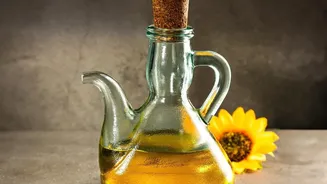
The biggest enemy of the bulk-bought oil is time. Cooking oils don't last forever. Once opened, exposure to air, light, and heat begins a process called oxidation, which makes the oil go rancid. This can affect the taste and quality of your food. An unopened bottle of refined vegetable oil might last for a year or two, but once you break the seal, that lifespan typically shrinks to about six to twelve months, even when stored properly in a cool, dark place. If your family uses oil sparingly, that five-litre can might start to turn before you reach the bottom. Then there’s the issue of 'consumption inflation'—the tendency to use more of something simply because you have a lot of it. A heavy-handed pour here, an extra splash there, and suddenly your savings are being consumed faster than you intended.
Your Smart Bulk-Buying Checklist
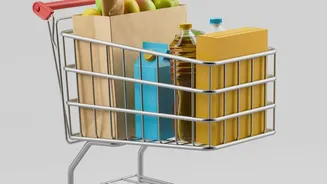
So, how do you avoid the pitfalls of the false economy? Before you haul that giant container into your shopping cart, run through this mental checklist: 1. Do I genuinely use this much? Be honest about your consumption rate. Calculate how long it takes you to finish a standard one-litre bottle. If a five-litre can will last you more than six to eight months, it’s probably not a good deal. 2. Is the per-unit saving significant? Don't just assume bigger is cheaper. Compare the price per litre or per 100ml with the smaller pack size. Sometimes, a sale on a smaller bottle offers a better deal. 3. Do I have the right storage space? Oil needs to be stored in a cool, dark place away from the stove to slow down spoilage. Do you have a spot in your pantry for a large, cumbersome container, or will it end up sitting on the counter in direct sunlight? 4. Is it a perishable or a stable item? This logic applies to more than just oil. Non-perishables with a long shelf life, like rice, dried beans, and paper products, are often excellent bulk buys. Perishable items, even with a lower unit cost, are a gamble.
Making Bulk Buys Work for You
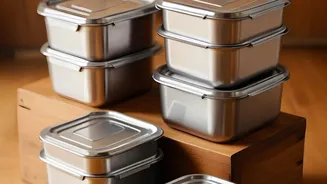
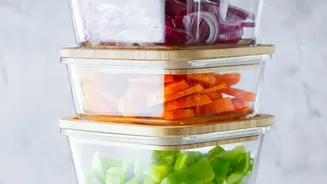
Even if a giant container doesn't suit your household, you can still be a smart shopper. Consider splitting bulk purchases with family or friends. This way, everyone gets the per-unit savings without the risk of waste. Another strategy is to decant. You can buy the large can but pour a smaller, more manageable amount into an opaque, airtight bottle for daily use. This keeps the majority of the oil sealed and protected from constant exposure to air, preserving its freshness for longer. This approach combines the cost-effectiveness of buying in bulk with the practicality of using smaller quantities.