




Ignoring Pre-Monsoon Vehicle Checks
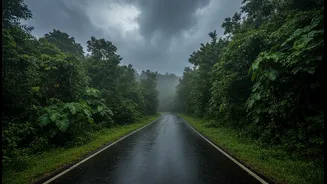
One of the biggest mistakes is assuming a car that ran perfectly in the summer is ready for the rains. Monsoon conditions demand specific checks. Worn-out tyres are a primary concern; tyres with insufficient tread depth channel water away, significantly
increasing the risk of aquaplaning and losing control on slippery roads. Similarly, brakes are critical. Wet roads can increase braking distances, so ensuring brake pads, discs, and fluid are in top condition is non-negotiable. Another frequently overlooked item is the wiper blades. Summer heat can harden the rubber, causing streaks that impair visibility during a downpour. Finally, ensure all lights—headlights, tail-lamps, and indicators—are working. In low visibility conditions, being seen is as important as seeing.
Underestimating Waterlogged Roads
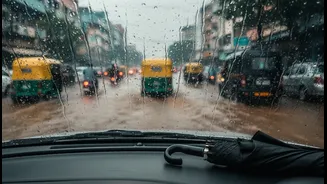
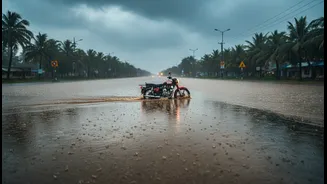
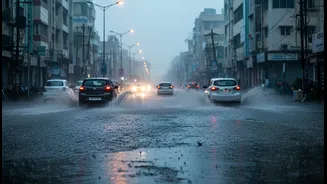
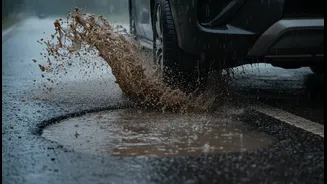
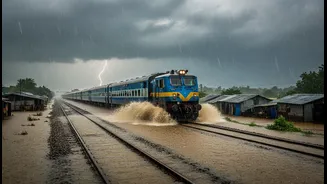
A stretch of water on the road can hide many dangers, and driving through it is a gamble. It only takes about six inches of water for many cars to lose control or stall, and just a foot of water can be enough to make a vehicle float. Once a car starts to float, you have no control. The engine's air intake is also vulnerable; if water is sucked in, it can cause 'hydrostatic lock', a catastrophic and expensive engine failure. Beyond the depth, you cannot see what is underneath the murky water, such as open manholes, deep potholes, or debris. There is also the severe risk of electrocution from submerged live wires, a recurring cause of fatalities during monsoons in Indian cities. The safest rule is simple: if you cannot gauge the depth or see the road surface on the other side, turn around and find an alternative route.
Maintaining Normal Speed and Following Distance
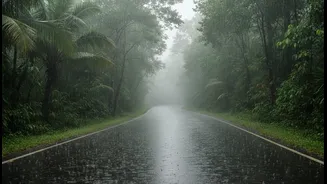
Rain and wet roads drastically reduce tyre grip. Continuing to drive at your usual dry-road speed is a recipe for disaster. Braking distances can be significantly longer on wet surfaces, meaning you need more time and space to stop. It is advisable to reduce your speed by at least 25-30% to compensate for the slippery conditions. Equally important is increasing the distance between your vehicle and the one in front. A larger gap provides a crucial buffer, giving you more time to react to sudden stops or hazards. You should also avoid sudden braking, acceleration, or sharp turns, as these abrupt manoeuvres can easily cause a car to skid on a wet road.
Neglecting Pedestrian and Two-Wheeler Hazards
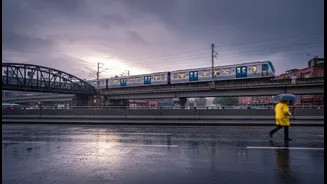
For drivers, it’s crucial to remember that visibility is poor for everyone, not just them. Pedestrians may be rushing to find shelter, their own vision obscured by umbrellas, making them less aware of their surroundings. Two-wheeler riders are also more vulnerable, dealing with slippery surfaces and balancing challenges. As a commuter, whether you are walking or driving, you must heighten your awareness. Pedestrians should wear bright clothing to be more visible and avoid distractions like using mobile phones while walking near traffic or through waterlogged areas. Drivers must be extra vigilant, anticipate unpredictable movements from pedestrians and riders, and slow down considerably in crowded areas.
Forgetting Health and Hygiene Precautions
The risks of monsoon travel extend beyond accidents. Waterlogged streets are often contaminated with sewage and other waste, creating a breeding ground for diseases. Wading through this water, especially with open wounds or improper footwear, can lead to infections like leptospirosis. The damp, humid environment also facilitates the spread of vector-borne diseases like dengue and malaria, as stagnant water is a perfect breeding ground for mosquitoes. To stay safe, avoid walking through stagnant water whenever possible. If you do, wash your feet and legs thoroughly with soap and water afterwards. Using mosquito repellent and drinking only boiled or filtered water can further reduce your risk of falling ill.
Not Packing a Monsoon Emergency Kit
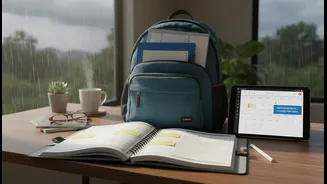
Traffic jams and breakdowns are far more common during the monsoon. Getting stuck for hours without essentials can turn an inconvenience into a serious problem. A common mistake is to not have a simple emergency kit in your vehicle or bag. This kit should include a powerful torch, a fully charged power bank for your phone, a first-aid kit, some dry snacks, and drinking water. A towel and a spare set of dry clothes or at least socks can also make a huge difference if you get drenched. Having these items on hand ensures you are better prepared to handle unexpected delays and emergencies, reducing stress and keeping you safe until you can get moving again.