







An Unprecedented Solar Boom
India's journey into solar energy has been nothing short of remarkable. From just 3 GW of installed capacity in 2014, the nation has expanded its solar infrastructure more than fiftyfold, reaching over 162 GW by mid-2026. This rapid growth is a cornerstone
of the country's strategy to achieve its climate goals, including the target of having half its electricity capacity come from non-fossil fuel sources by 2030—a target that was met ahead of schedule in 2025. Schemes promoting massive solar parks in sun-drenched states like Rajasthan and Gujarat, alongside a push for rooftop solar, have driven this expansion. However, this success has created a new, complex challenge that threatens to undermine progress.
The Grid's Traffic Jam
The core of the problem is what experts call grid congestion and curtailment. Think of the electricity grid as a highway system. The solar farms are the entry ramps where power gets on. But if too much power tries to enter at once, or if the highways aren't wide enough to carry it to the cities where it's needed, you get a massive traffic jam. To prevent the entire system from crashing, grid operators do the only thing they can: they close some of the on-ramps. In the energy world, this is called 'curtailment'—deliberately reducing electricity generation from power plants, even when the sun is shining brightly. Between April and June 2026 alone, India was forced to curtail 8,133 GWh of solar power to maintain grid security. That's a colossal amount of clean energy simply thrown away.
Why Is This Happening Now?
The bottleneck is a result of a fundamental mismatch: the speed of building solar farms has far outpaced the speed of upgrading the transmission network. Historically, India's grid was built around large, centralised coal plants. Today, massive solar parks are often built in remote, sunny areas far from major population centres, requiring new, high-capacity transmission lines to carry the power. Building these lines is a slow process, often hampered by delays in acquiring land and securing approvals. As a temporary fix, many new solar projects are connected to the grid via a short-term arrangement, but these connections are the first to be cut off during times of congestion, with some projects facing curtailment of up to 50% during peak daylight hours. This situation is most severe in renewable-rich states like Rajasthan and Gujarat, where the generation capacity has overwhelmed the local grid's ability to evacuate the power.
The High Cost of Wasted Energy
Curtailment isn't just an environmental issue; it's a major financial one. For solar power developers, every unit of curtailed energy is lost revenue. This not only hurts the profitability of existing projects but also makes potential investors cautious about funding new ones, threatening to slow down India's entire renewable energy transition. Several developers are now relying on internal cash reserves to keep their projects afloat, a situation that is not sustainable in the long run. The problem highlights a structural flaw in planning: building generation capacity without ensuring the supporting infrastructure is ready. This creates a risk that could turn promising clean energy assets into financial liabilities.
Upgrading the Grid for a Solar Future
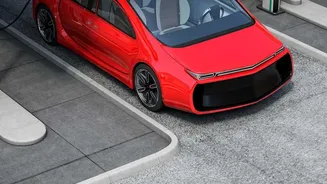
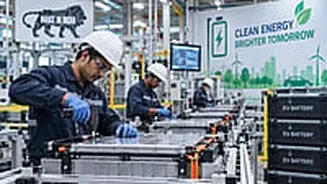
Fortunately, the problem is well-recognized, and solutions are underway. The most significant initiative is the Green Energy Corridor (GEC) project, a massive undertaking to build a dedicated transmission network to move power from renewable-rich states to national demand centres. The government is planning future phases of the GEC and investing in strengthening the grid. Another critical solution is energy storage. Large-scale batteries can absorb excess solar power during the sunny afternoon hours and release it in the evening when demand is high, effectively smoothing out the peaks and troughs. Experts believe that deploying battery storage systems at key grid locations is one of the fastest ways to resolve transmission constraints. Finally, smarter grid management technologies and policies that encourage electricity consumption during the day—like incentivising daytime EV charging—can also help balance supply and demand.