
The Green Newcomers on the Block
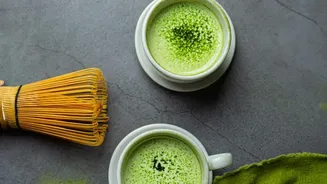
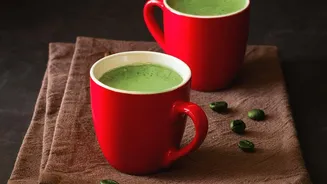
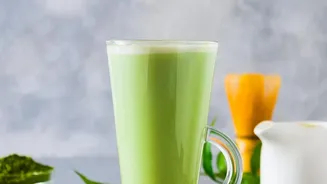
Walk into any trendy café in Mumbai, Delhi, or Bengaluru, and you'll notice the menu has expanded. Alongside the familiar cappuccinos and Americanos, vibrant green concoctions are catching the eye. These are matcha and moringa lattes, fast becoming the new
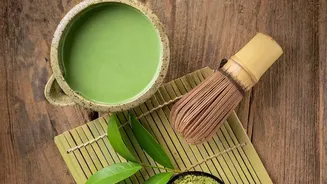
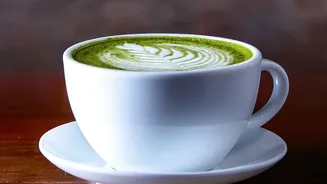
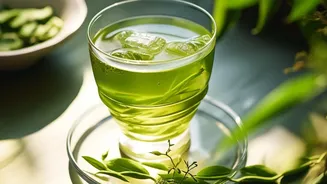
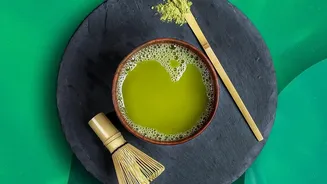
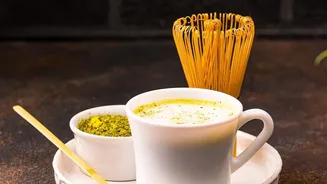
darlings of the urban beverage scene. Matcha, a finely ground powder of specially grown and processed green tea leaves, has roots in traditional Japanese tea ceremonies. Moringa, derived from the leaves of the Moringa oleifera tree, often called the “drumstick tree” or “miracle tree,” is a powerhouse of nutrients that has been used in traditional medicine for centuries. Their arrival in latte form signals a shift in urban India's café culture, moving beyond the standard coffee format to embrace global wellness trends.
A Sip of Wellness: The Health Appeal
A huge driver of this trend is health consciousness. Young, discerning consumers are looking for more than just a caffeine kick; they want functional beverages that offer tangible benefits. Matcha is celebrated for being rich in antioxidants called catechins. It also contains an amino acid called L-theanine, which is known to promote a feeling of calm alertness, offering sustained energy without the anxiety or “jitters” sometimes associated with a strong coffee. Moringa, on the other hand, is often marketed as 'nature's multivitamin'. It is naturally caffeine-free and packed with vitamins and minerals, believed to support everything from metabolism to skin health. This positions these green lattes as a mindful alternative for those looking to reduce their caffeine intake or simply add a nutrient boost to their day.
The Flavour Showdown: Earthy vs. Bold
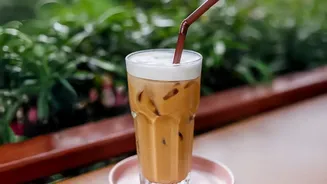
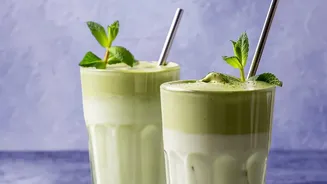
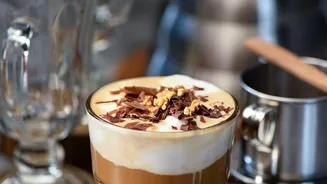
But how do they taste? An iced coffee, particularly a cold brew, is loved for its bold, robust, and often chocolatey or nutty notes. It's a familiar and comforting flavour profile. Matcha offers a more complex experience with a distinct earthy, grassy, and slightly bitter 'umami' taste that can be an acquired preference. Many cafes are making it more accessible by creating fusion drinks like strawberry or mango matcha lattes, balancing the earthiness with sweetness. Moringa has a milder, slightly sweet and earthy flavour, often compared to spinach or nettle tea, which blends smoothly into a creamy latte. The choice often comes down to what a person is seeking: the invigorating punch of coffee or the calmer, more nuanced notes of its green rivals.
The Culture and the Cost
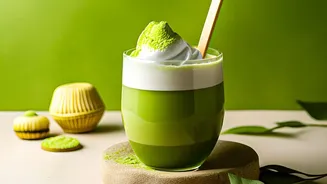
The rise of these drinks is also deeply tied to social media and aesthetics. The vibrant, layered look of an iced matcha latte is undeniably photogenic, making it a star on Instagram and TikTok. It represents a certain lifestyle: modern, wellness-conscious, and globally aware. This artisanal experience often comes at a premium price. Sourcing high-quality, ceremonial-grade matcha from Japan or pure moringa powder can be costly, which is reflected on the menu. While a standard iced coffee remains a relatively affordable indulgence, these newer options are often positioned as a luxury item. Yet, for many, the price is justified by the perceived health benefits, the unique flavour, and the cultural cachet of trying the latest trend.
The Enduring Reign of Iced Coffee
Despite the green wave, it's far too early to write off iced coffee. In fact, the cold coffee market in India is booming, particularly among Gen Z consumers who have adopted it as a year-round daily staple, not just a summer treat. The specialty coffee movement has also elevated the humble cold brew, with artisanal roasters and cafes focusing on single-origin beans and unique flavour profiles. Rather than replacing coffee, matcha and moringa are expanding the menu, offering more choice to an increasingly curious and experimental customer base. Cafes are becoming spaces of discovery, where a classic cold brew drinker might be tempted to try a Matcha Yuzu Tonic or a Rose Matcha Latte.