




The Goal: Nutrient-Dense, Not Calorie-Dense
Upgrading your dog's diet isn't just about making their food tastier; it's about increasing its nutritional value. The key is to focus on additions that are packed with vitamins, minerals, and fibre, but low in calories. A common mistake is to simply
add rich, fatty toppers, which can quickly lead to weight gain. Instead, the strategy is to enhance their existing food with whole-food ingredients that support everything from joint health to a shinier coat without overdoing the energy intake. The guiding principle should always be to replace, not just add. By swapping out a small portion of their regular kibble for a high-impact, low-calorie alternative, you can enrich their diet while maintaining a healthy weight.
First, Understand Your Dog's Calorie Needs
Before you change anything, it's crucial to have a baseline. A dog's daily calorie requirement depends on their age, breed, activity level, and whether they are neutered. While you can find general formulas online, like the Maintenance Energy Requirement (MER) calculation, your veterinarian is the best resource for determining your specific dog's needs. They can assess your dog’s body condition and help you set a daily calorie target. Knowing this number is your most powerful tool. It allows you to read food labels and measure toppers accurately, ensuring your well-intentioned upgrades don't turn into excess pounds. Remember that all treats and toppers count towards this daily total.
Low-Calorie Vegetable Heroes
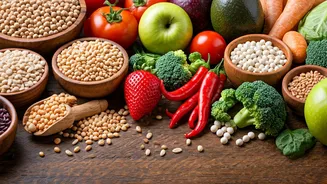
Vegetables are your best friend when it comes to low-calorie, high-fibre additions. They add bulk to a meal, helping your dog feel fuller for longer. Green beans are a fantastic option, as they are packed with fibre and very low in calories. Carrots offer a satisfying crunch and are a great source of beta-carotene. Cucumbers are over 90% water, making them an excellent choice for hydration with almost no caloric impact. You can also use plain, canned pumpkin (not pie filling), which is famous for aiding digestion. When adding vegetables, it's best to steam them lightly to make them easier to digest. Always introduce new foods slowly and stick to non-starchy options to keep calories in check.
The Power of Hydration
One of the simplest and most effective upgrades requires no extra calories at all: water. Most dry kibble has a very low moisture content (around 6-10%). Adding warm water or a splash of low-sodium bone broth can dramatically improve a meal. This simple act enhances the food's aroma, making it more appealing to picky eaters, and helps soften the kibble for easier chewing and digestion. The added liquid also increases the volume of the food, helping your dog feel more satisfied without a single extra calorie. Bone broth offers the additional benefit of nutrients like collagen and glucosamine, which support joint health. Just be sure to use a broth that is free of onions, garlic, and excessive salt.
Strategic Use of Lean Protein and Fruits
Protein can also be a valuable addition, as it helps maintain lean muscle mass, especially in active or older dogs. A small amount of boiled, skinless chicken breast, cooked lean fish like cod, or a plain cooked egg can boost a meal's appeal and nutritional profile. An egg has a high biological value, meaning its protein is highly digestible. A large egg contains about 70 calories, so be sure to account for this and reduce their main food accordingly. Fruits like blueberries, apples (seeds and core removed), and strawberries can be added in moderation. They are packed with antioxidants but are higher in sugar than vegetables, so they should be considered a small treat rather than a major meal component.