




A Tale of Two Tree Sizes
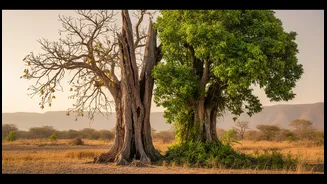
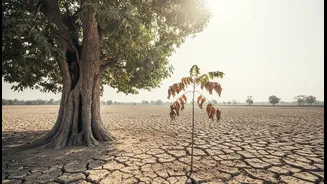
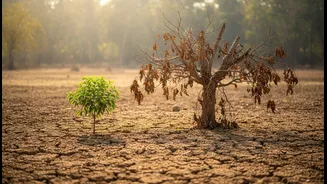
For a long time, conventional wisdom suggested that the tallest trees in a tropical forest were the most vulnerable to drought. The logic seemed simple: it's a monumental task to pull water hundreds of feet into the air against gravity. In dry conditions,
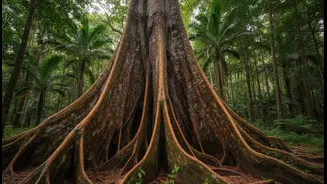
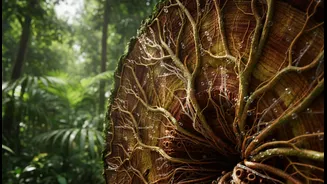
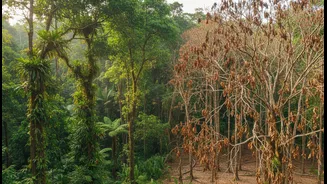
this hydraulic challenge was thought to put them at greater risk of collapse. However, recent research is painting a more nuanced picture. A study on the towering dipterocarp trees of Southeast Asia found that these giants have evolved sophisticated ways to cope. They develop wider water-carrying vessels (xylem) at their base and leaves that can withstand drier conditions, effectively compensating for their height. This challenges the old assumptions, showing these giants are not necessarily the first to fall in a drought. Instead of a simple story of big trees being weak, science now suggests that both tall and small trees face unique, but equally threatening, risks.
An Entire Ecosystem at Stake
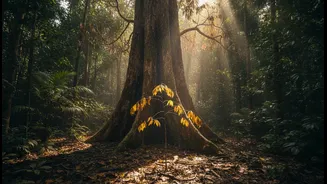
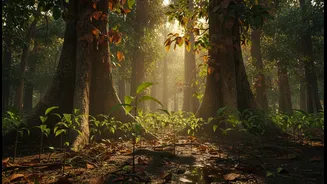
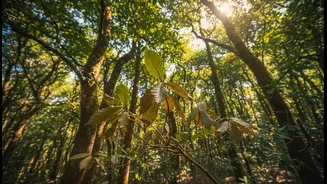
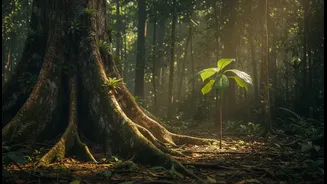
The distinction between how tall and small trees respond to drought is more than an academic curiosity; it has profound implications for the entire forest. The tallest trees form the canopy, capturing sunlight and shaping the environment below. The smaller trees make up the understory, a vital habitat for countless species. The loss of canopy trees can drastically alter the forest floor, while the loss of the understory can unravel the complex web of life it supports. These forests, from the Amazon to the Western Ghats, are not just collections of individual trees. They are integrated systems that regulate water cycles, influence regional rainfall patterns, and store vast amounts of carbon. A study using tree-ring data from across the tropics found that while growth slows during droughts, the real danger is increased mortality. Even a small rise in tree death can release significant amounts of carbon back into the atmosphere, turning a carbon sink into a carbon source.
The Forecasting Frontier
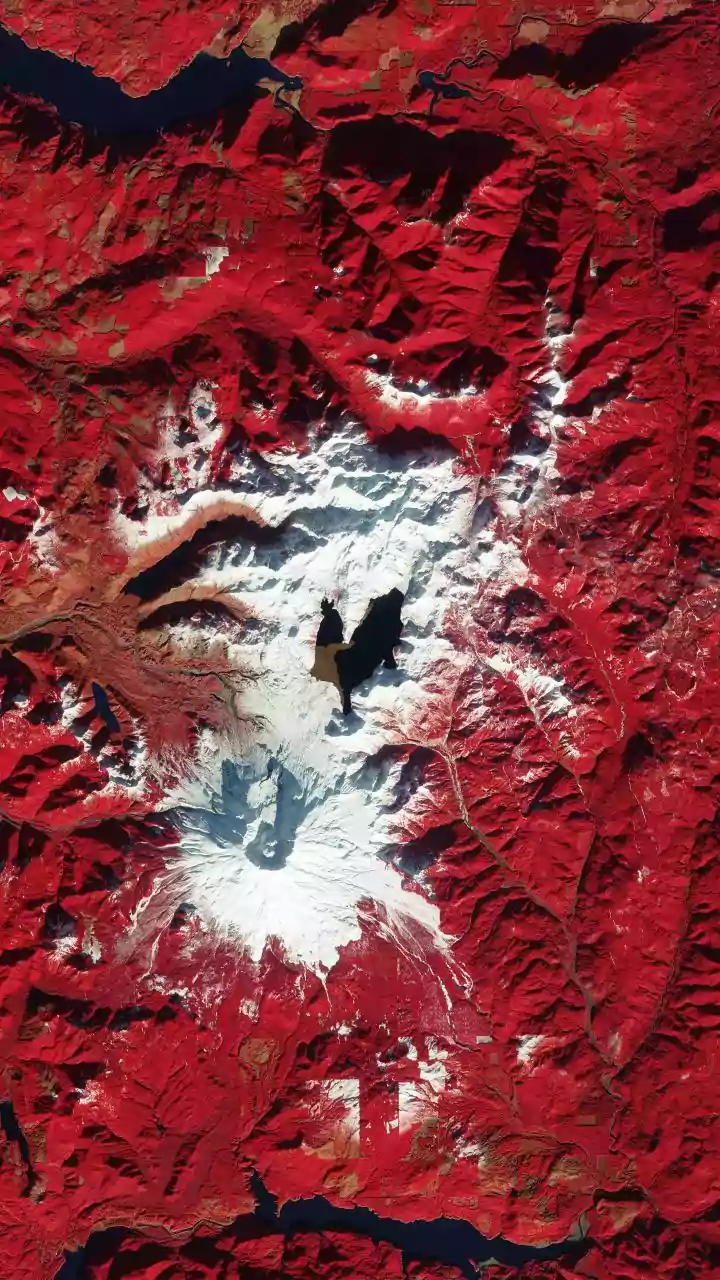
This brings us to the bigger story: the immense challenge of predicting what will happen to these forests in a hotter, more unpredictable world. The old models, which may have assumed tall trees were a weak link, need re-evaluation. Forecasting the future of a tropical forest involves juggling an incredible number of variables: rising temperatures, changing rainfall, and the increasing frequency of extreme events like heatwaves and droughts. Recent studies show that vast areas of tropical forest are already being pushed beyond their thermal limits for photosynthesis. Scientists use a combination of satellite data, ground-based monitoring, and complex computer simulations to build a picture of forest health. But as climate change accelerates, the past becomes a less reliable guide to the future, making accurate, actionable forecasts both more difficult and more essential than ever. The ability to anticipate which areas will be hit hardest and how different parts of the forest will respond is the frontier of climate science.
Bringing It Home to India
This global challenge has direct and urgent relevance for India. The country is home to critical tropical forest ecosystems, most notably in the Western Ghats and the Northeast. These forests are not only biodiversity hotspots but are also intricately linked to the monsoon and the water security of millions. The same forces of warming and extreme weather that threaten the Amazon are at play here. Understanding the specific vulnerabilities of our native tree species to drought is crucial for conservation. As climate change alters long-standing weather patterns, the health of these forests hangs in the balance. Protecting these vital ecosystems requires not just on-the-ground conservation efforts, but also investing in the science of prediction. By improving our ability to forecast drought impacts, we can better manage our natural resources, protect our unique biodiversity, and build resilience in the face of a changing climate.