



The Allure of the Ghats
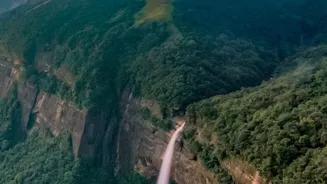
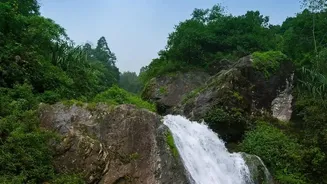
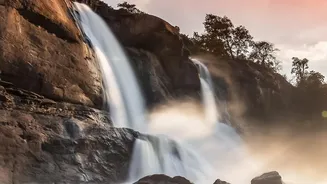
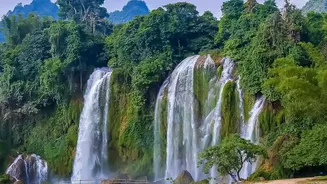
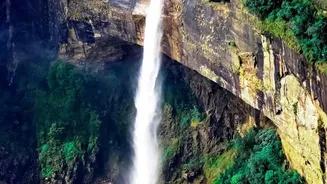
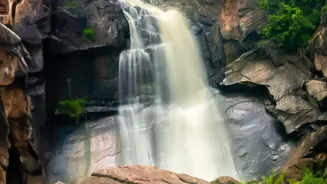
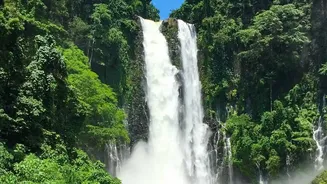
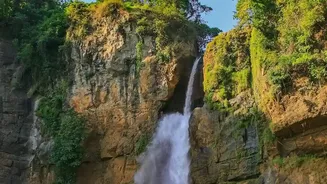
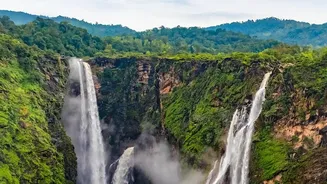
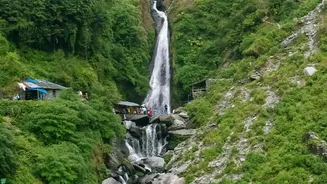
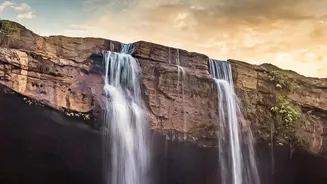
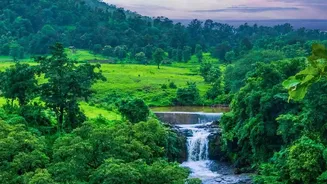
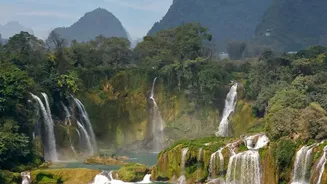
As the southwest monsoon arrived across Maharashtra in late June 2026, the parched summer landscape has given way to vibrant green vistas. This transformation is most dramatic in the Western Ghats, where countless seasonal waterfalls have come to life,
attracting thousands of tourists. Hill stations like Mahabaleshwar and Panchgani are experiencing a significant tourism boom, with visitors eager to see the misty hills and gushing streams. The period from mid-July to late August is considered the prime time to witness these falls at their peak flow. This surge in visitors provides a welcome boost to local economies, from food stalls selling roasted corn to homestay owners.
Popular Spots Near Mumbai and Pune
For city dwellers, the waterfalls in the Lonavala-Khandala and Karjat regions are perennial favourites due to their easy accessibility from both Mumbai and Pune. Bhivpuri Waterfall near Karjat, reachable by a short walk from the local railway station, is one of the most visited spots, though it can get crowded quickly on weekends. In the Lonavala area, Kune Falls, one of the state's tallest, offers a majestic sight. Further south, the area around Satara is home to the spectacular Thoseghar Falls, a series of cascades with dedicated viewing platforms for safe enjoyment.
For the More Adventurous Trekker
Beyond the easily accessible spots, Maharashtra offers numerous waterfall treks for those seeking more adventure. The Kalu Waterfall in Malshej Ghat, one of the largest in the region, is a popular trek that takes you through dense forests and across streams. The trek is expected to be at its best from the second week of July. Another sought-after but more challenging destination is Devkund Waterfall, known for its beautiful plunge pool. However, it's important to note that many of these treks can be demanding and require navigating slippery, difficult terrain. Some, like the route to Devkund, have been officially restricted for safety reasons during the 2026 monsoon season due to past incidents.
A Crucial Word on Safety
The beauty of monsoon waterfalls comes with significant risks that cannot be ignored. Recent incidents, such as the rescue of over 100 tourists from Zenith Waterfall in Raigad after a sudden water surge on July 28, 2026, highlight these dangers. Authorities have repeatedly issued warnings and, in some cases, implemented strict restrictions. The Pune District Collector, for instance, has invoked Section 163 of the BNSS in the Lonavala region, prohibiting entry to waterfalls and streams until July 31, 2026. The Pune Forest Department has also warned of potential landslides and rockfalls in popular areas like Lonavala and Khandala. Flash floods are a common threat, as water levels can rise dramatically within minutes without warning. Visitors are urged to avoid entering fast-flowing water, stay away from cliff edges, and never risk their lives for selfies. Always check for the latest local advisories before planning a visit, as many popular spots may be closed for safety.
Amboli Ghat: The Cherrapunji of Maharashtra
For those willing to travel further, Amboli Ghat in the Sindhudurg district offers an unparalleled monsoon experience. Receiving extremely heavy rainfall, it is often called the “Cherrapunji of Maharashtra” and transforms into a paradise of waterfalls. The main Amboli Waterfall is a major attraction, but the entire ghat road is dotted with smaller cascades. The region's rich biodiversity, including unique species like the Malabar gliding frog, adds to its appeal for nature lovers. While the views are breathtaking, visitors should be prepared for slippery roads and dense fog, which can make driving treacherous.