




The Science of Self-Watering
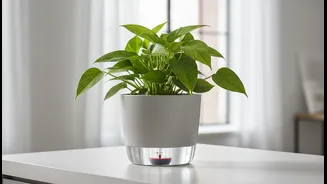
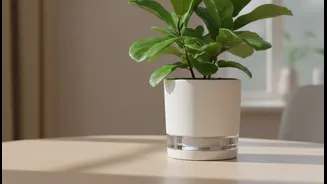
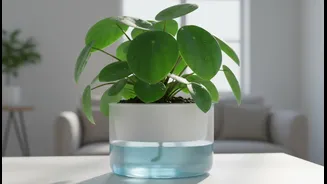
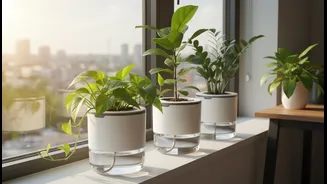
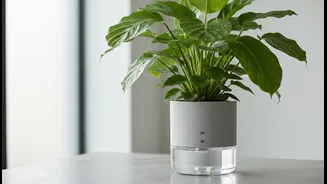
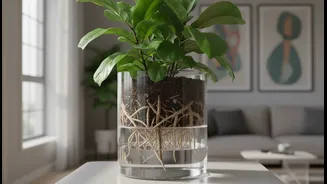
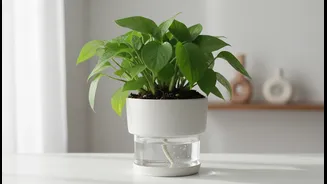
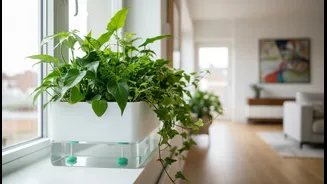
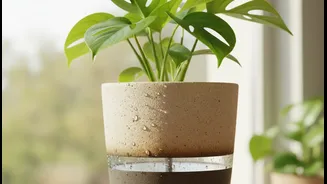
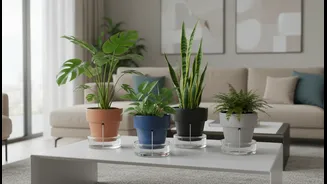
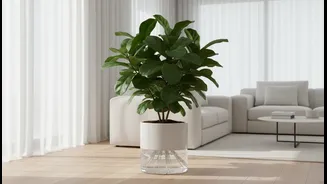
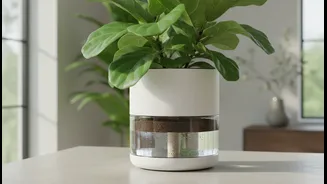
At its core, a capillary planter is a self-watering system that uses a basic scientific principle: capillary action. This is the same force that allows a paper towel to soak up a spill or a candle wick to draw wax up to the flame. In these planters, a reservoir
of water is kept separate from the plant's soil. A wicking material—often a cotton or nylon cord, or even a column of soil—connects the reservoir to the soil. As the soil dries out, it naturally draws water up through the wick, providing a slow, steady supply of moisture directly to the roots where it's needed most. This process allows the plant to essentially water itself on demand, taking just the right amount it needs without your intervention.
Key Benefits for Plant Parents
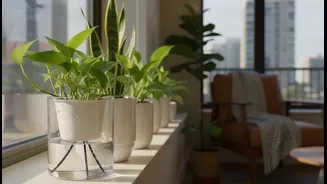
The most obvious advantage is convenience. For those with busy schedules or who travel often, self-watering planters are a game-changer, reducing the need for daily watering. Depending on the plant and reservoir size, you might only need to refill it once a week or even less. This system also promotes healthier plants by providing consistent moisture, which prevents the stress caused by cycles of extreme dryness and over-saturation. Because water is delivered directly to the roots, less is lost to evaporation, making these planters a water-efficient choice. Furthermore, they significantly reduce the risk of root rot, one of the most common killers of houseplants, which is often caused by waterlogged soil from top-watering.
Create a Simple DIY Capillary Planter
You don’t need to buy a fancy pot to take advantage of this technology. A simple and effective capillary planter can be made with household items. One of the easiest methods is the 'string and bowl' technique. Take a length of absorbent string, like a cotton shoelace. Gently push one end a few inches into your plant's soil near the root ball. Place the other end into a container of water, like a glass or jar, that is positioned next to your plant. The string will act as a wick, drawing water from the jar into the soil as it dries. This setup is perfect for keeping plants hydrated while you're away on a short trip. For a more contained system, you can cut a plastic bottle in half, invert the top portion, place a wick through the opening, and set it inside the bottom half, which serves as the water reservoir.
Which Plants Thrive with This System?
While many plants benefit from consistent moisture, this system is particularly ideal for species that prefer evenly moist soil. Tropical plants, ferns, peace lilies, and African violets are excellent candidates. Herbs and many leafy green vegetables also thrive in self-watering containers, as the steady water supply encourages lush, strong growth. These planters help provide the humid, consistently hydrated environment that mimics their native habitats, leading to healthier and more vibrant foliage and blooms. The key is that the plant enjoys having access to water without its roots sitting in a waterlogged swamp.
Plants to Avoid and Potential Pitfalls
Capillary planters are not a one-size-fits-all solution. Plants that are adapted to dry conditions, such as succulents, cacti, and ZZ plants, should not be kept in this type of system. Their roots are designed to dry out completely between waterings, and the constant moisture provided by a wicking system will almost certainly lead to root rot. It's also important to periodically flush the soil from the top every few months to prevent the buildup of mineral salts, which can accumulate over time. Finally, ensure your reservoir doesn't sit with stagnant water for too long; it's best to let it dry out occasionally before refilling to allow air to reach the roots.