

The Backlash Against the Box
For years, colourful boxes of processed breakfast cereals promised a fast and easy start to the day. Positioned as a modern solution for busy lives, they quickly found a place in many pantries. However, a growing awareness around nutrition has led consumers
to look more closely at the ingredient lists. Many popular cereals are high in sugar and refined grains, which can lead to a quick energy spike followed by a crash. The industrial processing often strips away essential nutrients like fibre and vitamins, which are crucial for sustained energy and digestive health. This has sparked a shift, with health-conscious individuals becoming increasingly wary of preservatives, artificial flavours, and the hidden sugars lurking in their breakfast bowls.
The Mighty Millet's Comeback
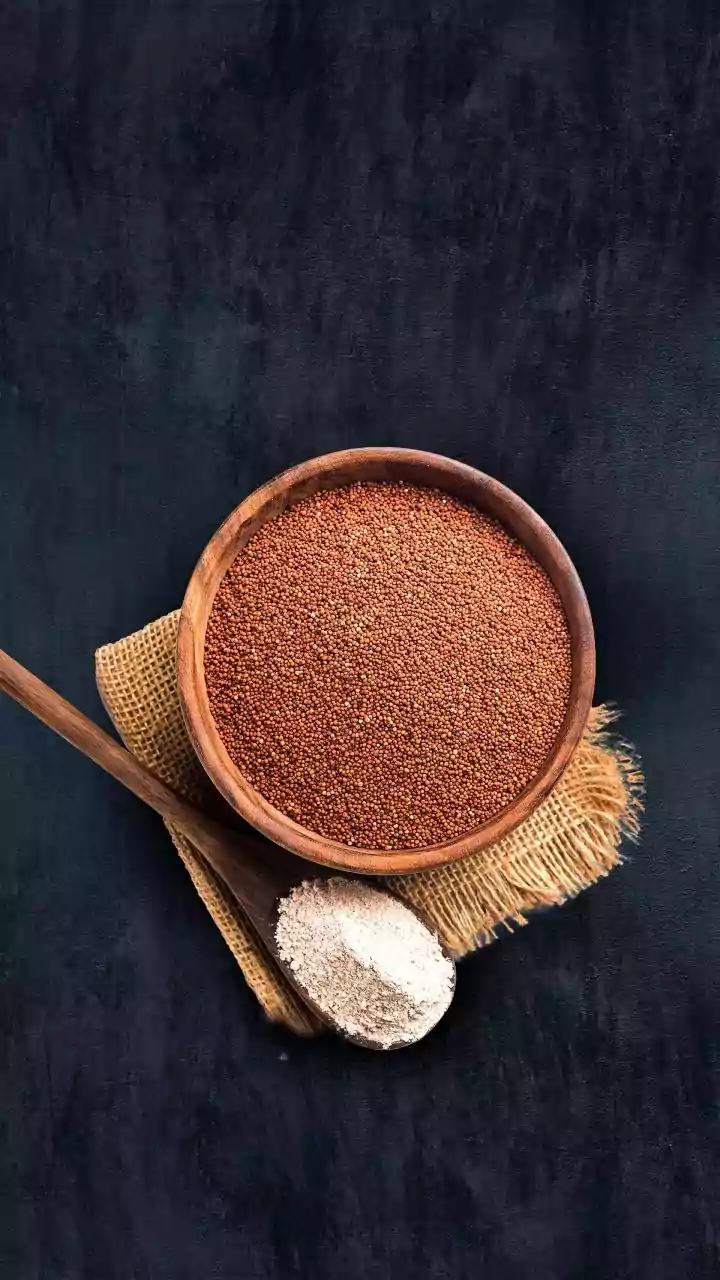
Millets are not a new discovery; they are ancient grains that were a staple in the Indian diet for centuries, long before wheat and rice became dominant. Varieties like ragi (finger millet), jowar (sorghum), and bajra (pearl millet) were sidelined during the Green Revolution, which favoured high-yield crops. Now, these nutritional powerhouses are making a major comeback. This resurgence is driven by a renewed focus on health, sustainability, and a desire to reconnect with traditional food wisdom. Government initiatives, including the declaration of 2023 as the International Year of Millets, have also played a significant role in raising awareness about their benefits.
A Nutritional Upgrade for Your Morning
When compared to processed cereals, millets offer a superior nutritional profile. They are naturally gluten-free and packed with dietary fibre, which aids digestion and promotes a feeling of fullness, helping with weight management. Millets have a lower glycemic index than refined wheat and rice, meaning they release sugar into the bloodstream more slowly, which is beneficial for managing blood sugar levels. Furthermore, they are rich sources of essential minerals like iron, magnesium, and calcium. For instance, ragi is an excellent source of calcium, crucial for bone health, while other millets provide high-quality protein and antioxidants.
Tradition Meets Modern Convenience
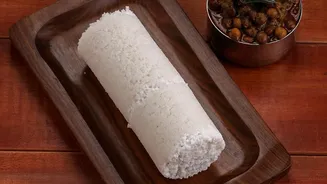
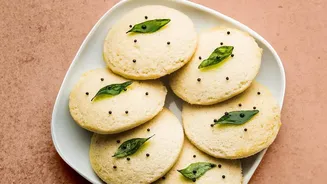
The return to millets doesn't mean a return to complicated, time-consuming cooking. Instead, urban Indians are cleverly incorporating them into familiar, beloved breakfast dishes. Steamed favourites like idlis and appams are proving to be the perfect vehicles for millets. By replacing some or all of the rice in your homemade batter with millet flour, these dishes retain their comforting appeal while getting a significant nutritional boost. The fermentation process used for idli and dosa batter can also enhance the bioavailability of nutrients and makes them easier to digest. This fusion of traditional recipes with superfood ingredients offers the perfect balance of health, taste, and convenience for a modern lifestyle.
How to Join the Millet Movement
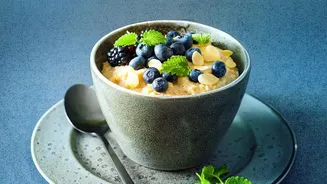
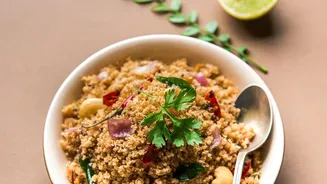
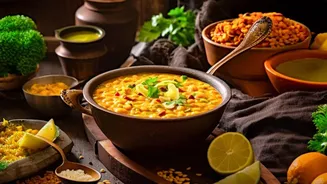
Making the switch is easier than you might think. Many brands now offer ready-to-cook millet idli and dosa batters, as well as millet-based porridges and upma mixes, making it simple for even the busiest individuals. You can also start by simply swapping a portion of the rice in your homemade batter with millet flour. Experiment with different types like foxtail millet for a light texture or ragi for a denser, nutrient-rich option. These small changes can make a big difference, transforming your breakfast from a sugary rush into a truly nourishing and energising start to your day.