







A Boost for Digestion and Blood Sugar
One of the most immediate benefits of a post-meal stroll is improved digestion. Gentle movement helps stimulate the stomach and intestines, allowing food to move through your system more rapidly. This can reduce common discomforts like bloating and that
overly full feeling. Beyond comfort, a short walk has a powerful effect on blood sugar management. After we eat, glucose levels in the blood naturally rise. Studies show that walking for just 10 to 15 minutes after a meal can help lower these post-meal blood sugar spikes. This happens because your muscles use the glucose for energy, effectively drawing it out of the bloodstream. This process is beneficial for everyone, but it can be particularly helpful for individuals managing metabolic health concerns.
A Screen-Free Ritual for Connection
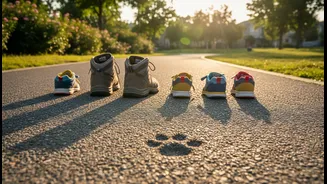
In a world dominated by screens, a family walk creates intentional time away from devices. This simple act carves out a rare window for genuine conversation and connection. Walking side-by-side, rather than sitting face-to-face, can often feel less confrontational for children and teenagers, encouraging them to open up more freely about their day, their worries, or their triumphs. This low-pressure environment builds trust and reinforces a sense of security and togetherness. It's an opportunity to listen, share stories, and simply enjoy each other's company without the constant interruption of notifications and digital distractions. These shared moments become the building blocks of strong family relationships.
Improving Mood and Easing Stress
The end of the day can leave everyone feeling wound tight. A family walk serves as a natural antidote to this accumulated stress. Physical activity, even a gentle stroll, helps reduce stress hormones like cortisol and releases endorphins, the body's natural mood-enhancers. This can help calm nerves, improve a bad mood, and boost self-esteem. For children, a walk can help release pent-up energy before bedtime, which may contribute to better sleep. Establishing this predictable routine provides a sense of stability that helps children and adults alike feel more grounded and secure as they wind down for the night.
How to Make the Habit Stick
The key to making the post-dinner walk a lasting habit is to start small and keep it enjoyable. Don't aim for a long-distance trek on the first night. Begin with just 10 minutes. Consistency is more important than distance or speed. To keep everyone motivated, involve the whole family in the process. Let children help choose the route some nights or turn it into a game, like a neighbourhood scavenger hunt. Schedule it like any other important appointment until it becomes second nature. The goal isn't to create a strenuous workout but to build a cherished ritual. By keeping it simple, positive, and consistent, you'll create a healthy habit that your family looks forward to each evening.