




Mind the Clock: The Holding Time Rule
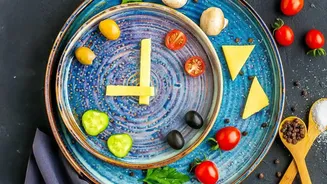
The most critical factor in food safety is temperature. Bacteria that cause foodborne illness multiply rapidly in the 'Danger Zone', between 40°F (4°C) and 140°F (60°C). Perishable foods like cooked meats, dairy products, and egg dishes should not be left
at room temperature for more than two hours. In warmer climates, especially when temperatures are above 90°F (32°C), this window shrinks to just one hour. For cold items, pack them directly from the fridge into a cooler with ice or frozen gel packs to keep the temperature at or below 40°F. A full cooler stays cold longer, so fill any empty space. For hot foods, use an insulated container to keep them at 140°F or above. Non-perishable items like whole fruits, breads, crackers, and nuts are safer choices for longer durations without refrigeration.
Start Clean, Stay Clean: Hygienic Handling
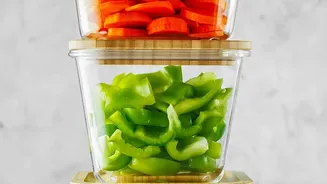
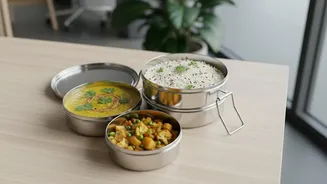
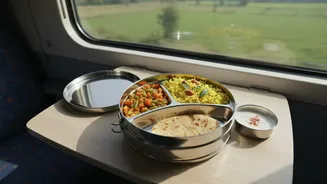
Food safety begins long before you pack your bag. Always wash your hands with soap and water before and after handling food. Use clean utensils and chopping boards. When packing, use separate, airtight containers for different food items, especially keeping wet and dry foods apart to prevent sogginess and cross-contamination. For example, pack curries or sabzis in a leak-proof container and keep rotis or rice separate. It's also wise to keep raw foods, like uncooked meat you plan to cook at your destination, securely wrapped and away from ready-to-eat items. If soap and water won't be available on your journey, pack disposable wet wipes or an alcohol-based hand sanitiser to clean your hands before eating.
Neat Eats: The Art of Low-Mess Portions
Eating in a moving train, bus, or car can be challenging. The key to a mess-free meal is preparation and smart portioning. Opt for foods that are easy to handle and require minimal cutlery. Sandwiches, wraps, idlis, and stuffed parathas are excellent choices. Cut sandwiches into smaller, manageable quarters to avoid drips and spills. Instead of packing a whole fruit that needs to be cut, like a melon, choose easy-to-peel options like bananas and oranges or pre-cut fruits in a sealed container for shorter trips. Dry snacks like roasted chana, makhana, nuts, and khakhra are perfect for mess-free munching. Packing items in single-serving containers not only keeps things tidy but also makes sharing with family easier.
Smart Choices for Indian Journeys
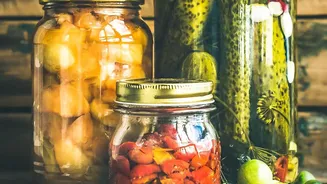
For train and road trips in India, certain homemade foods travel exceptionally well. Thepla and masala puri have a good shelf life and can be eaten with pickles without creating a mess. Dry vegetable preparations, like a simple aloo fry, are better than liquid-heavy curries that risk spilling. Pulao or lemon rice are also great one-pot meals that are easy to pack and eat. While items with onion can spoil faster, they can be consumed during the first leg of your journey. Hard-boiled eggs are a good source of protein, but their strong smell can be unpleasant in a confined space, so it's best to eat them at a rest stop.
What to Leave Behind
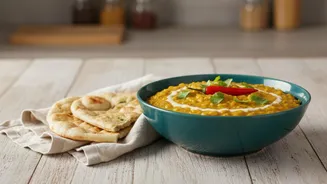
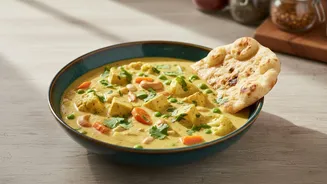
Just as important as knowing what to pack is knowing what to avoid. Steer clear of greasy or heavily fried foods like samosas and pakoras for long drives, as they can cause sluggishness and digestive discomfort. Foods that require a spoon, like yogurt or soupy dals, can be difficult to manage without spills. Very salty snacks can increase thirst, leading to more frequent bathroom breaks. Also, avoid packing foods with strong, lingering odours. Anything that is crumbly, like certain biscuits or pastries, will inevitably create a mess on your seat and clothes. By choosing your travel menu wisely, you ensure the journey is as pleasant as the destination.