
A Crisis in the Cold Desert
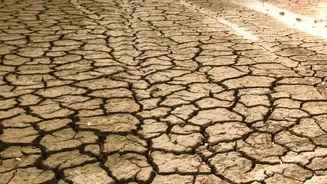
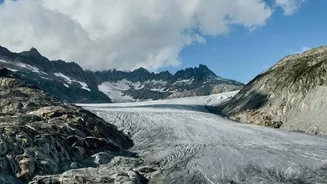
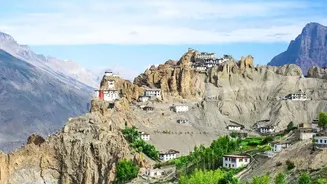
Ladakh, a region of stark beauty, is a cold desert where annual rainfall is less than 50 millimetres. For centuries, agriculture has depended entirely on the precise, seasonal melt of massive glaciers. However, rising temperatures are causing these glaciers to
retreat at an alarming rate. This creates a dangerous paradox: less snowfall in winter and faster melting in summer. The result is that streams run dry in the crucial spring planting months of April and May, just when farmers need water most for crops like barley, wheat, and potatoes, threatening the region's food security and way of life.
An Ingenious Icy Inspiration
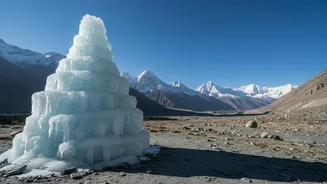
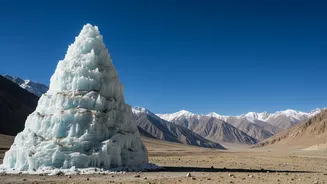
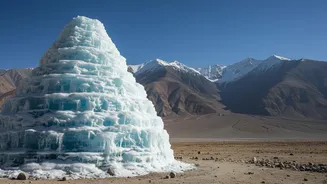
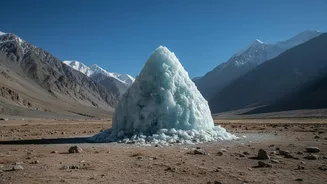
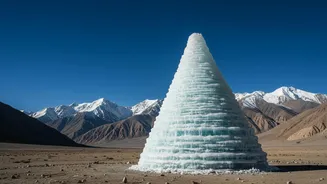
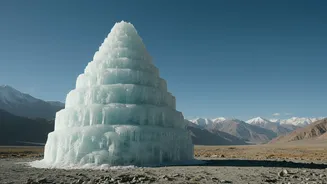
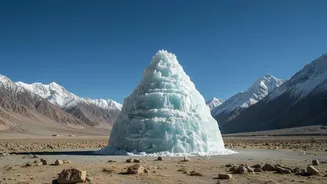
The solution came from engineer and innovator Sonam Wangchuk, who in 2013 pioneered the 'ice-stupa'. Named for their resemblance to traditional Buddhist monuments, these are artificial glaciers created to store winter water that would otherwise flow away unused. The concept is rooted in a simple observation: ice can last longer if shaded from the direct sun. Since shading a whole glacier is impossible, Wangchuk devised a way to freeze water in a conical shape. This vertical structure minimises the surface area exposed to the sun, allowing the ice to melt much more slowly and last well into the spring.
How to Build a Glacier
The engineering behind an ice-stupa is brilliantly simple and requires no electricity. A pipe is laid from a glacial stream at a higher altitude down to a village. Due to the height difference, gravity creates natural water pressure. This pressure forces the water up through a vertical pipe and out of a sprinkler. During the frigid winter nights, the sprayed water freezes as it falls, gradually building a massive cone of ice. These stupas can reach heights of 30 to 50 meters and store millions of litres of water, creating a frozen reservoir that waits patiently for the planting season.
From Reservoir to Lifeline
As temperatures rise in April and May, the ice-stupa begins to melt, releasing a steady supply of water directly to the fields below. This water arrives at the perfect time for farmers to sow their crops. Before the ice-stupa, this was the driest part of the year. Now, farmers have an assured source of irrigation until the natural glaciers begin to melt in June. These structures have proven transformative, turning barren land green and reviving agriculture in villages that were facing abandonment due to water scarcity. Dozens of ice-stupas have been built across Ladakh, collectively providing millions of litres of water for irrigation.
Adapting and Automating the Solution
The success of the ice-stupa has inspired further adaptation. Initially large-scale projects, the concept is now being applied by individual communities and even automated. The biggest challenge in managing a stupa is preventing the main pipeline from freezing solid during extreme cold snaps, which requires intensive manual labour. In response, recent innovations have introduced automated systems. Using temperature sensors and motorised valves powered by solar energy, these 'smart stupas' can automatically regulate water flow, diverting it to prevent freezing and ensuring the system runs with minimal human intervention. This has reduced manual labour by up to 95%, making the technology more accessible and efficient for farming communities.