




The Gut-Brain Superhighway
You’ve likely heard of 'gut feelings' or felt 'butterflies in your stomach'. These aren't just metaphors; they're experiences of the gut-brain axis, a complex, two-way communication network connecting your digestive system and your brain. This superhighway
uses the nervous system, hormones, and the immune system to constantly send messages back and forth. Your brain can influence gut health, for example, when stress leads to an upset stomach. Conversely, what happens in your gut can significantly impact your mood, stress levels, and even cognitive functions like memory and focus.
Your Microbiome: The Brain's Tiny Managers
Your gut is home to trillions of microorganisms, collectively known as the gut microbiome. Think of it as a bustling internal ecosystem. These microbes are crucial players in the gut-brain connection. They help produce neurotransmitters, including serotonin, a key mood regulator, much of which is made in the gut. They also create other chemical messengers that can travel through the bloodstream and influence brain function. When this ecosystem is balanced with a diverse range of beneficial bacteria, it supports overall well-being. However, an imbalance, known as dysbiosis, has been linked to increased inflammation, mood disturbances, and brain fog.
Probiotics: The 'Good' Bacteria Boost
Probiotics are live, beneficial bacteria that can help maintain or restore a healthy balance in your gut microbiome. You can find them in fermented foods or as supplements. Research suggests these friendly microbes may support cognitive function through several mechanisms. They can help reduce inflammation, which is linked to cognitive decline, and may improve the body's stress response. Some studies have shown that certain probiotic strains may help improve memory and cognitive scores, particularly in older adults or those with mild cognitive impairment. While research is ongoing, especially for healthy young individuals, the potential benefits for brain health are promising.
How to Add Probiotics to Your Diet
Incorporating probiotics into your routine is simpler than it sounds and doesn't necessarily require expensive supplements. You can start by adding more fermented foods to your meals. Good sources include plain yoghurt with live cultures, kefir (a fermented milk drink), kimchi (spicy Korean fermented cabbage), sauerkraut (fermented cabbage), miso, and kombucha. When choosing products like yoghurt, check the label for phrases like 'live and active cultures' to ensure you're getting the beneficial bacteria. A diet rich in a variety of fermented foods can help increase the diversity of your gut microbiome.
Fiber: The Fuel for a Healthy Gut
If probiotics are the 'good' bacteria, then fiber is their food. Specifically, certain types of fiber known as prebiotics act as fuel for your beneficial gut microbes. When these bacteria feast on fiber, they produce compounds called short-chain fatty acids (SCFAs). These SCFAs are star players in the gut-brain axis. They help strengthen the gut lining, reduce inflammation throughout the body, and can even cross the blood-brain barrier to directly support brain function and protect against cognitive decline. Essentially, a high-fiber diet keeps your beneficial bacteria well-fed, happy, and working hard for your brain.
Simple Swaps for a High-Fiber Diet
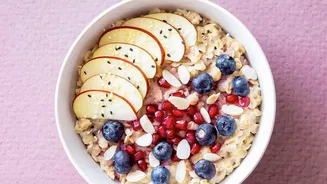
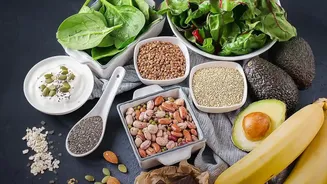
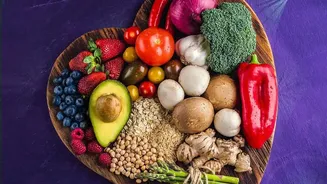
Most people don't get enough daily fiber, but small changes can make a big difference. Try swapping white bread, pasta, and rice for their whole-grain counterparts. Start your day with oatmeal or a high-fiber cereal. Add beans, lentils, or chickpeas to salads, soups, and stews. Snack on fruits, vegetables, nuts, and seeds instead of processed options. Aim to 'eat the rainbow' by incorporating a wide variety of plant-based foods into your diet. This not only boosts your fiber intake but also ensures your gut microbiome gets a diverse range of nutrients to thrive on.